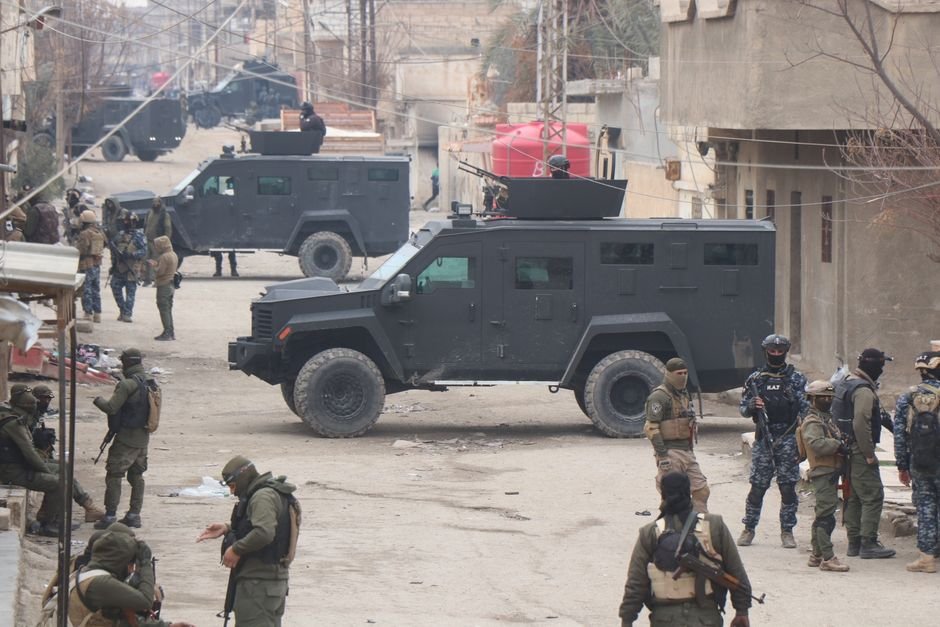
The Middle East remains a powder keg, where one wrong move can send shockwaves across the globe. How close did we come to reigniting a war that nobody wants but everyone is armed for? According to Axios, the specter of conflict loomed large as tensions between Israel and Iran nearly dragged former President Trump back into military action.
The Stakes in the Middle East
Axios reveals that the friction between Israel and Iran escalated dramatically, forcing the U.S. to reckon with its role in the region. With both nations engaged in a dangerous game of brinksmanship, Trump’s administration found itself in uncharted waters, balancing the need for military deterrence against the desire to avoid catastrophic consequences. The timeline of events exposes a precarious situation that has been brewing for years, fueled by long-standing animosities and geopolitical maneuvering.
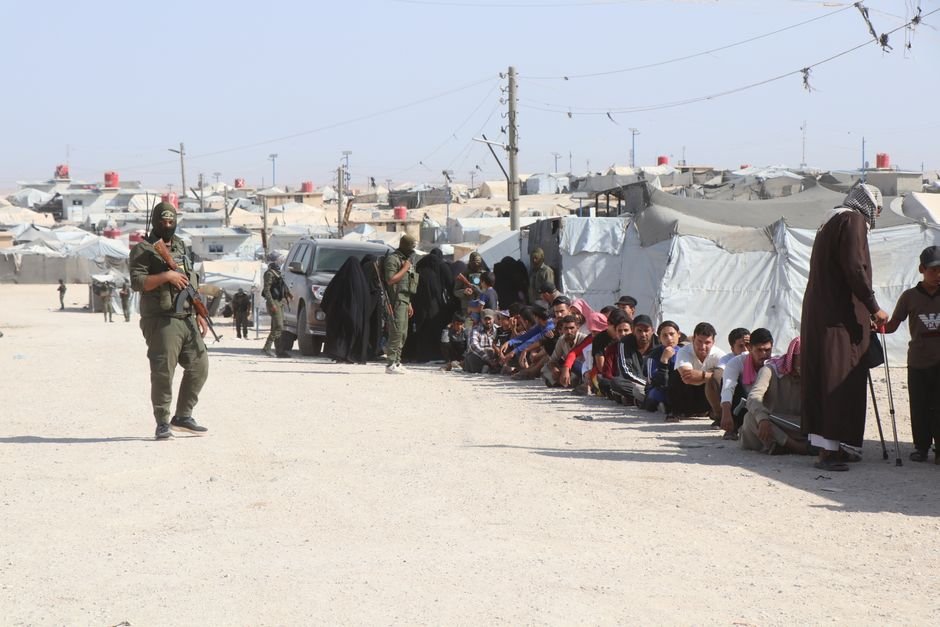
Let’s unpack why this matters now. The Middle East has always been a hub of conflict, with a complex web of alliances and enmities. The Biden Administration is keen on pivoting focus, seeking to redefine U.S. interests from military intervention to diplomacy. However, the actions of Israel and Iran challenge this narrative, as both countries seem intent on escalating their hostilities. The risk of dragging the U.S. back into a quagmire becomes all too real when one considers that a single missile misfire could initiate a catastrophic chain reaction.
Analyzing the Power Play in the Middle East
What’s truly fascinating here is how the players involved are navigating this treacherous landscape. Israel’s aggressive posture towards Iran, aimed at preventing what it perceives as an existential threat, is driven by its quest for dominance in the Middle East. On the other hand, Iran’s provocations are equally strategic, leveraging regional proxies and militias to extend its influence. The stakes are personal for Trump, too; with a penchant for tough talk and bravado, he may have found himself tempted to flex military might.

However, this isn’t just a game of chess between two adversaries — it’s a multi-layered contest involving global powers. For Trump, entanglement in Middle Eastern conflicts could have devastating electoral repercussions. If he waded into war again, he risks alienating a war-weary public that has grown skeptical of foreign interventions. In fact, the mainstream narrative often downplays how much the American public has evolved on foreign policy. There’s a strong desire for a focus on domestic issues over international entanglements, making the prospect of renewed conflict particularly contentious.
The mainstream media often misses the nuances of these diplomatic dances, focusing on the immediate spectacle rather than the long-term implications. If we step back, it’s clear that any military engagement in the Middle East could entrench the U.S. deeper into a cycle of violence. The last thing we need is more troops on the ground or airstrikes that feed the chaos rather than quell it.
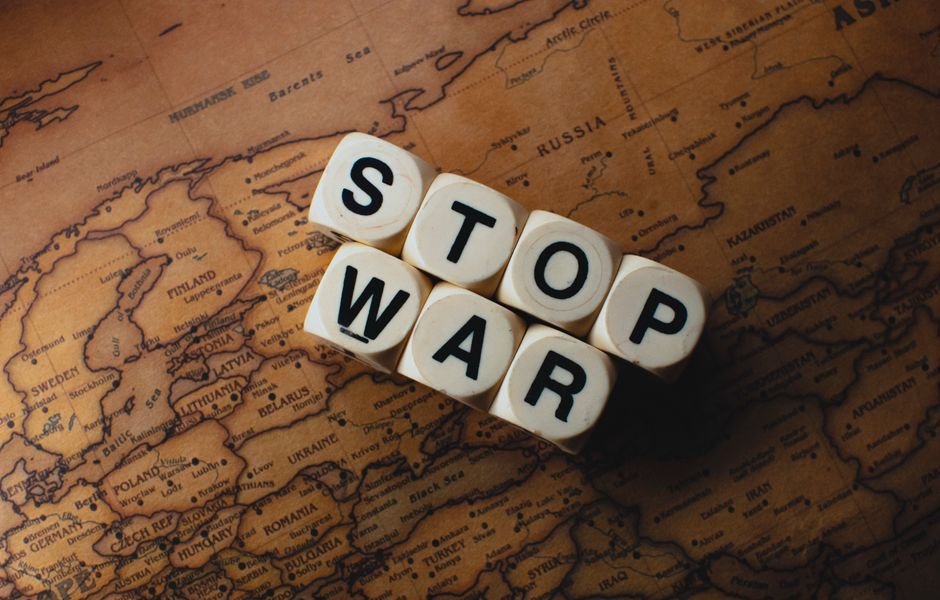
As we consider the future of U.S. involvement in the Middle East, we must ask ourselves: Will the next administration escape the gravitational pull of these longstanding conflicts, or are we again teetering on the precipice of war? The clock is ticking, and the uneasy status quo may soon reveal itself as the calm before the storm.
Source: Google — Middle East