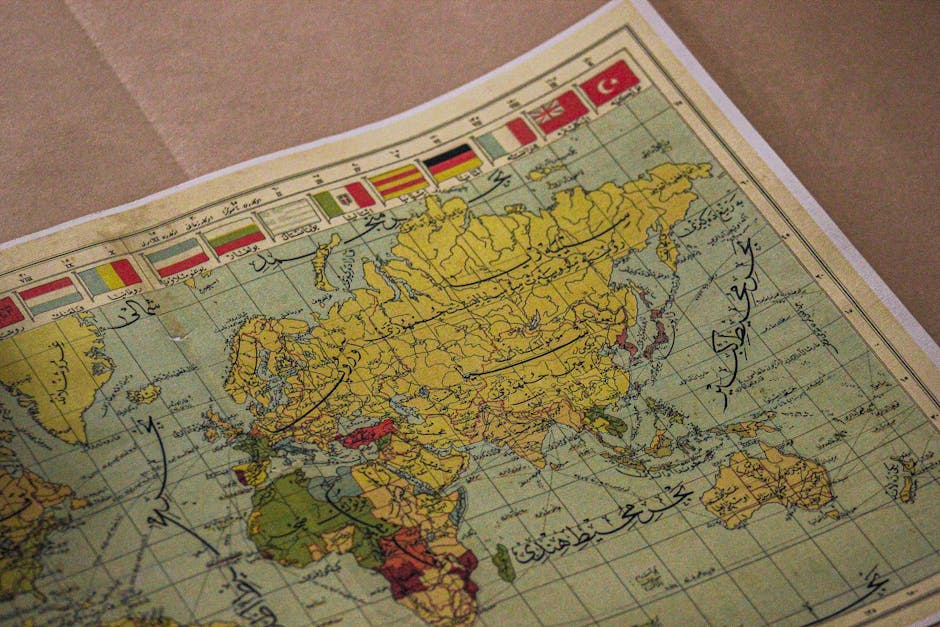
The Middle East has always been a geopolitical chessboard, but the stakes reached dizzying heights with the Iran nuclear deal that was crafted during the Obama administration. Now that the dust has settled on Trump’s consequential withdrawal, one has to wonder: was dismantling this agreement a masterstroke or a glaring blunder?
According to CNBC, the deal, officially known as the Joint Comprehensive Plan of Action (JCPOA), was designed to curb Iran’s nuclear ambitions in exchange for the lifting of economic sanctions. Trump’s decision to withdraw in 2018 was met with fierce criticism and raised eyebrows across the globe.
The Stakes in the Middle East: Understanding the Fallout
This saga didn’t begin or end with Trump; it’s rooted in decades of complex tensions between Iran and Western powers, particularly the U.S. The Obama administration believed the JCPOA would stabilize the Middle East by preventing Iran from obtaining nuclear weapons. Critics, however, labeled it a dangerous capitulation, arguing it empowered Iran’s regional influence and destabilized its neighbors.
Fast forward to today, and we see the consequences unfolding in real time. The deal’s collapse has plunged Iran back into a nuclear arms race, and we’ve seen a surge in its aggressiveness. Countries like Israel and Saudi Arabia, once on the sidelines, are now scrambling to develop their defense mechanisms, raising the specter of a regional arms race. The apparent chaos showcases the intricate dance of diplomacy where one misstep can lead to disastrous outcomes.
Winners and Losers: The Realities of a Divided Middle East
So, who truly wins in this precarious landscape? There are no clear champions here. Trump’s supporters herald the withdrawal as a bold move against Iranian aggression, but the reality is that it has only spiraled the region into more uncertainty. Iran’s nuclear capabilities have, once again, become a point of contention, and the idea of a peaceful resolution feels more like a pipe dream than a legitimate goal.
Conversely, the losers are the ordinary citizens of the Middle East who continue to bear the brunt of this geopolitical tug-of-war. The sanctions reinstated by the U.S. have crippled Iran’s economy, leading to widespread suffering. Protests have erupted, and the regime’s grip on power seems increasingly shaky. Yet, in this chaotic landscape, hardliners in Iran have found renewed justification for their policies, allowing them to stoke nationalist fervor rather than address internal dissent.
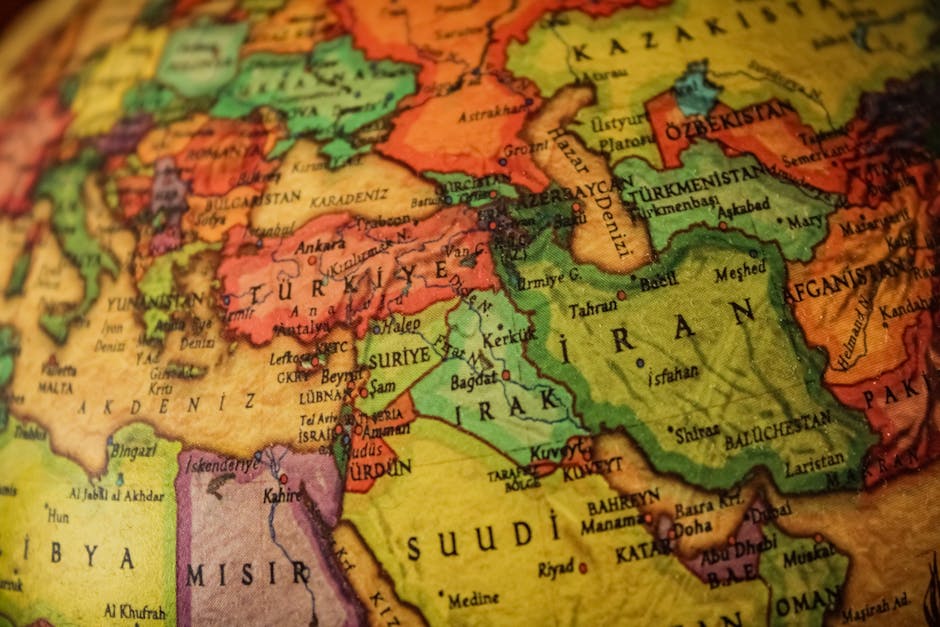
Mainstream discourse often fails to grasp the long-term ramifications of such high-stakes decisions. It’s not just about the here and now; it’s about the future of the entire region. The re-emergence of a nuclear-capable Iran, coupled with a more militarized Israel and Saudi Arabia, could set off a chain reaction that the world isn’t prepared for.
As we navigate this complex scenario, one thing is crystal clear: mere political posturing won’t cut it. Radical changes in approach are required to tackle the mess left in the wake of the JCPOA’s collapse. Negotiation isn’t simply a nice-to-have; it’s an absolute necessity.
In the end, the question remains as urgent as ever: can the Middle East find a path to stability, or are we destined for continued conflict? If the recent past is any guide, it seems we’re still in for a bumpy ride.
Source: Google — Middle East