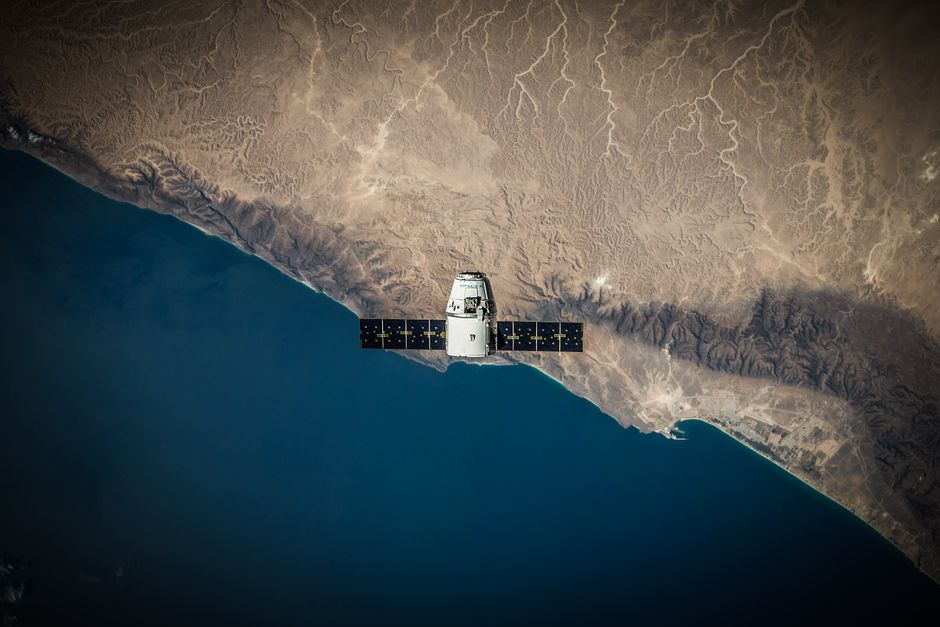
Forget the Elon Musk rockets and the shiny Mars rovers for a moment. The real, grinding, consequential work of understanding our future isn’t always glamorous; it’s often found in the painstaking, ceaseless effort of **Mapping Earth**. This isn’t about setting foot on new worlds, but about understanding the one we’re already destroying.
According to NASA Breaking, the agency’s Earth-observing satellites meticulously track an immense array of phenomena. From the invisible dance of aerosols through our atmosphere to the subtle shifts in land cover over decades, this data forms the bedrock of global science, policy, agriculture, and critical climate research.
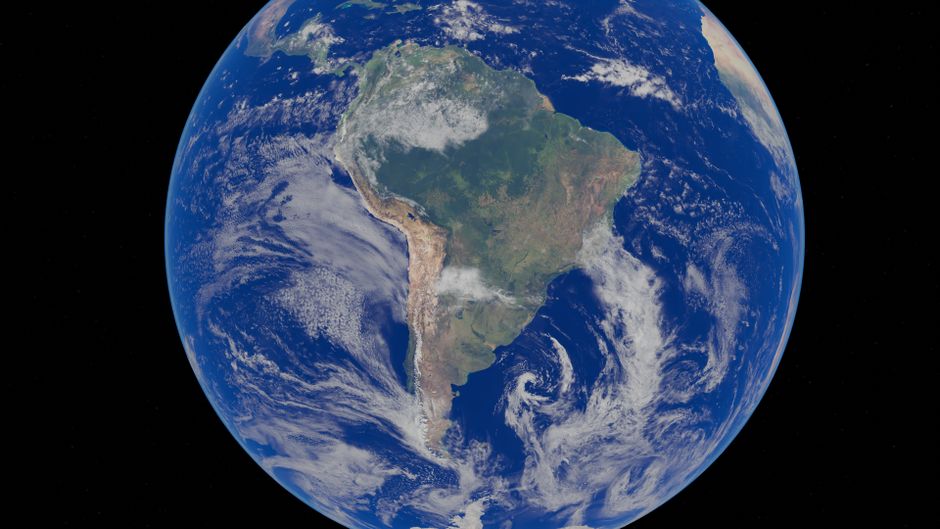
Mapping Our Planet: The Silent War for Data
Why does this quiet, technical work suddenly demand our attention, especially as we kick off a new week? Because the implications of **Mapping Earth** are profoundly political and economic. NASA’s Earth Science Division (ESD) manages this vast portfolio, a constant stream of information that underpins everything from agricultural futures markets to international climate negotiations. This isn’t just about scientific curiosity; it’s about power. Who controls this data? Who interprets it? And, crucially, who acts on it – or, more often, chooses to ignore it?
The satellites orbiting our planet are not just passive observers; they are witnesses to humanity’s impact. They see the deforestation in the Amazon, the melting glaciers in the Arctic, the shifting currents that dictate weather patterns and crop yields. This continuous surveillance provides an irrefutable, data-driven narrative that often clashes with political rhetoric and corporate interests. The stakes couldn’t be higher: accurate data means better preparedness for natural disasters, more informed agricultural practices, and a clearer picture of our rapidly changing climate. In a world increasingly defined by resource scarcity and environmental upheaval, the ability to precisely observe and model our planet’s systems is a strategic asset of unparalleled value. Governments and industries globally depend on this flow of information, shaping multi-billion dollar decisions.
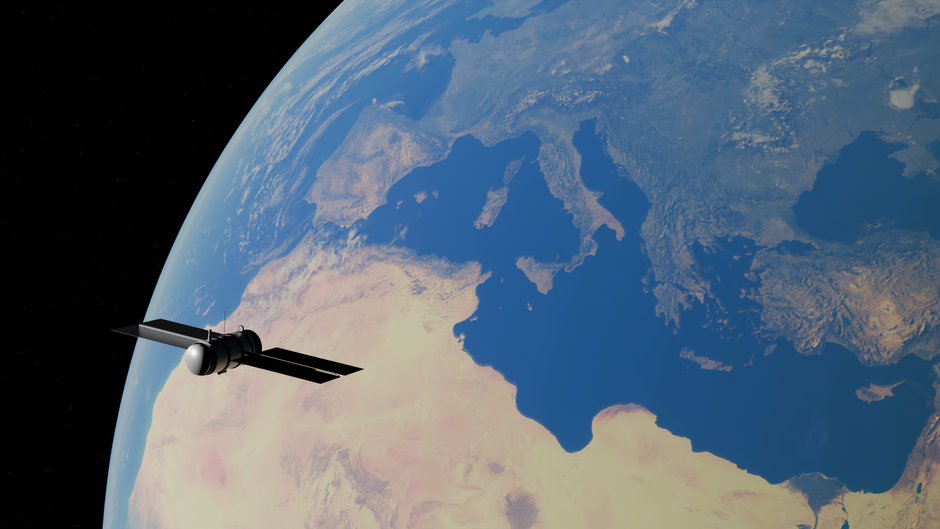
The Uncomfortable Truth About Global Observation
Here’s the hot take: While NASA presents this as pure science, the act of **Mapping Earth** is inherently political, and profoundly disruptive. The mainstream narrative often frames this as a purely benevolent scientific endeavor, a quest for knowledge for knowledge’s sake. But let’s be blunt: this data is a weapon. It arms environmental activists with undeniable evidence, forces politicians to confront uncomfortable truths, and provides financial markets with insights that can make or break fortunes. Who wins? Scientists, certainly, gaining an unprecedented understanding of our complex planetary systems. Farmers, potentially, with better forecasts and insights into soil health. But also, powerful nations and corporations who can leverage this granular data for strategic advantage, whether in predicting commodity prices or shaping geopolitical narratives around climate change.
Who loses? Those who rely on obfuscation and denial. Industries built on unsustainable practices find their excuses evaporating under the relentless gaze of orbital sensors. Regimes that downplay environmental catastrophes find their claims challenged by independent, verifiable data. The tension is palpable. On one hand, there’s the ideal of open-source data, democratizing access to crucial information. On the other, the reality that such powerful intelligence can be selectively used, or even weaponized, in economic and political skirmishes. The very clarity provided by this observation exposes hypocrisy and forces accountability, which is precisely why some would rather it remain obscure. The quiet efficiency of these satellites, tirelessly sending down gigabytes of data, is far more threatening to established power structures than any high-profile space launch. It strips away the ability to simply deny reality.
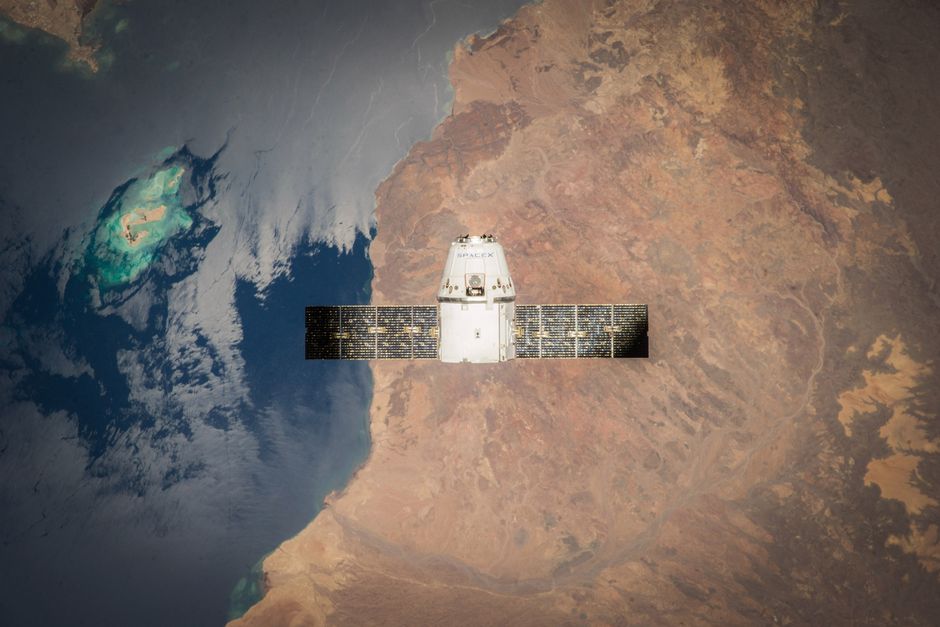
Ultimately, the story of **Mapping Earth** is not just about scientific achievement; it’s about the uncomfortable truth that knowledge itself is power, and how that power is wielded. The future of our planet, and indeed, our civilization, isn’t being decided on Mars, but in the meticulous collection and fraught interpretation of the data streaming down from our very own backyard. We might think we’re just watching the weather, but in fact, we’re witnessing the silent, relentless revolution of information that will redefine our relationship with the planet and with each other.
Source: NASA Breaking