Iran tensions frames the debate here: The United States and Iran are inching closer to the edge, and the implications for the Middle East are nothing short of catastrophic. Can the world’s superpower and a nation on the U.S.’s watchlist coexist without igniting a conflict that engulfs the entire region? According to CSIS, tensions are simmering as both nations grapple with strategic positioning, and the stakes are escalating by the day.
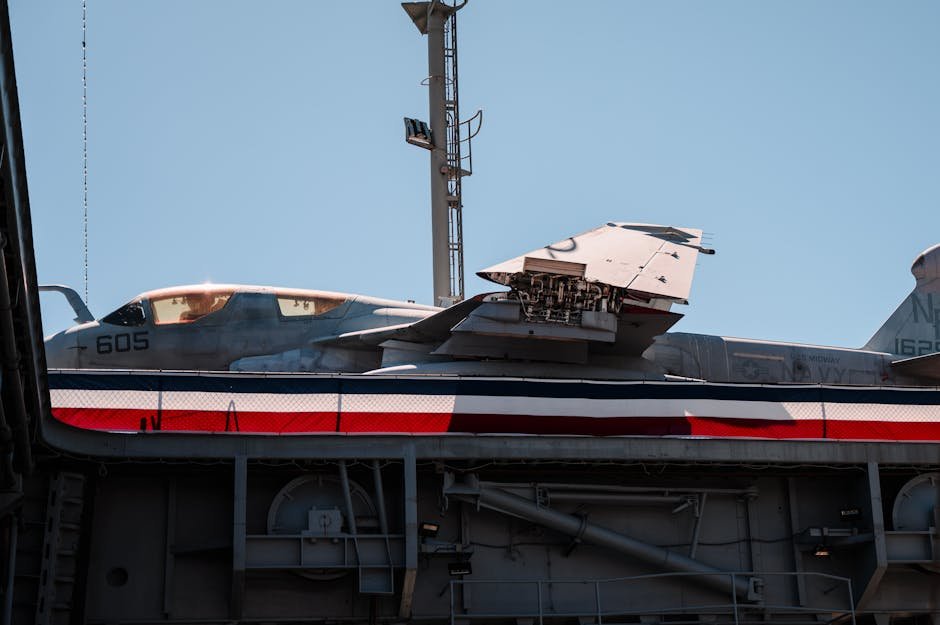
The situation remains volatile, with reports indicating that both countries are maneuvering their military assets in a show of strength. The U.S. has ramped up its naval presence in the Persian Gulf, while Iran flaunts its missile capabilities through various military displays. The backdrop? Years of sanctions, nuclear negotiations gone awry, and a legacy of mistrust that seems destined to repeat itself.
The Stakes in the Middle East
Why does this matter now? The Middle East has always been a powder keg, but recent changes in leadership and foreign policy have added fuel to the fire. The Biden administration’s approach has differed from the previous one, attempting to recalibrate relations with Iran while maintaining pressure on its nuclear ambitions. Meanwhile, Iran’s government, facing domestic dissatisfaction and economic challenges, seeks external validation and strength, particularly in the face of perceived Western aggression.
Key players in this drama extend beyond Washington and Tehran. Regional powers like Saudi Arabia and Israel are keenly aware that a miscalculation could destabilize the entire region. Their response to U.S.-Iran dynamics will likely influence everything from oil prices to global security alliances. For them, this isn’t just about a hostile neighbor; it’s a battle for ideological supremacy and influence in the Middle East.
An Unraveled Strategy
The hot take here is that both the U.S. and Iran are playing a high-stakes game of chess with no clear endgame. The U.S. may think it can control the situation through military might and sanctions, but this approach overlooks a crucial factor: Iran’s resolve. History shows that Iran will not back down easily when it feels cornered. The risk of an escalating conflict is not just theoretical; it could lead to widespread violence, drawing in allies and enemies alike.
Moreover, there’s a dangerous underestimation of how technological advancements could alter the battlefield. Cyber warfare, drone technology, and missile capabilities are evolving rapidly. Any misstep or escalated confrontation could spiral out of control in a matter of hours, leading to devastating consequences.

The mainstream narrative often portrays this conflict as a straightforward clash of military might and geopolitical strategy, but that perspective misses the emotional and cultural dimensions at play. The Iranian leadership, feeling besieged and emboldened by its unique regional alliances, could further radicalize its approach if pushed too far. On the flip side, the U.S. must tread carefully, as any military overreach could erode its standing not just in the Middle East, but globally.
As the world watches this precarious situation unfold, one has to wonder: will diplomacy prevail, or are we on the brink of an inevitable clash? Whatever the outcome, it’s clear that the Middle East will continue to be a geopolitical chessboard, with each move reverberating far beyond its borders. The question is whether the players involved will recognize the stakes before it’s too late.
That tension around Iran tensions is not going away.
Source: Google — Middle East