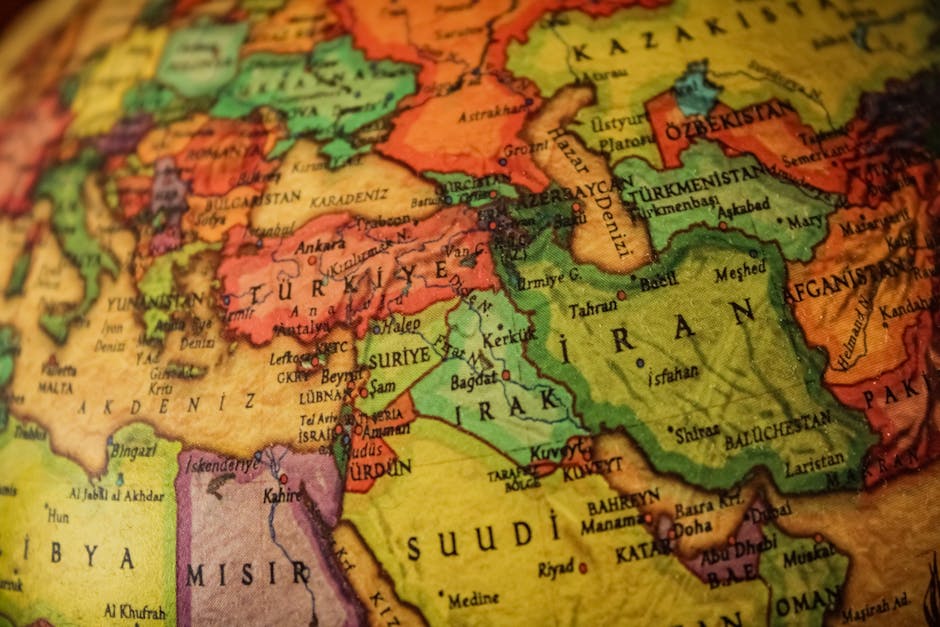
Iran peace frames the debate here: Is the United States really shifting gears in the Middle East, or is this just another mirage in the desert of diplomacy? As tensions simmer, a peace deal reportedly looms between the U.S. and Iran, but the specter of war still hangs heavy over the region.
According to NPR, U.S. and Iranian officials are inching toward a potential peace agreement, despite ongoing threats and hostilities. This precarious dance comes at a time when many worry that conflict could erupt at any moment.
Why the Middle East Matters Now
So why does this emerging deal matter? The Middle East has always been a flashpoint for global tensions, serving as a chessboard for superpowers. U.S. relations with Iran have been tumultuous, swinging from nuclear deals to military confrontations. The Biden administration is now attempting to pivot towards diplomacy, perhaps recognizing that prolonged warfare is neither sustainable nor popular back home. However, this shift is fraught with risks. Iran remains ever-vigilant in pursuing its regional ambitions, making any peace overtures a high-stakes game.
The players in this saga are complex. The U.S. is under pressure to rein in Iran’s influence while managing its alliances with other Middle Eastern nations. Meanwhile, Iran sees this peace deal as both an opportunity and a threat, navigating its own internal political pressures.
The Stakes of a Middle East Peace Deal
This complicated web of interests raises critical questions: Who stands to gain from a U.S.-Iran peace deal, and who stands to lose? Should a deal materialize, it could stabilize a region long plagued by chaos, potentially easing oil prices and granting a sigh of relief to international markets. However, skeptics argue that any semblance of peace could embolden Iran’s proxy groups, leading to new conflicts elsewhere in the Middle East.
What the mainstream narrative misses is the volatility inherent in such diplomacy. A peace deal may be signed amidst optimism, but it’s built on a foundation of distrust and mutual suspicion that could crack at any moment. If hardliners on either side pull strings to sabotage negotiations, the fallout could be devastating.

The specter of war isn’t just a ghost haunting the negotiations—it’s a reality that lurks just beneath the surface. With so much at stake, is the U.S. administration truly ready for the consequences? As they broker this potential peace, they must tread carefully or risk unleashing further instability across the Middle East.
As the dust settles over the weekend’s developments, one thing is clear: peace in the Middle East is a tantalizing prospect, but it remains an elusive dream. Will this be the dawn of a new era, or just another false start? Time will tell, but history suggests we should be ready for anything.
That tension around Iran peace is not going away.
Source: Google — Middle East