Trust in authority is a fragile thing, easily shattered and agonizingly slow to rebuild. For the **Nigerian** people, this trust has been eroded for decades, leaving a gaping wound where public safety should be. Now, as security crumbles further, President Bola Ahmed Tinubu faces immense pressure to finally deliver meaningful police reform.
According to France 24, the 36 states of the Federation have yet to ratify the establishment of a State Police force under their responsibility. Meanwhile, President Tinubu reportedly eyes a dual approach: a national police force alongside local police. This proposed restructuring is his administration’s answer to the country’s spiraling security crisis.
Nigeria’s Security Quagmire and Political Standoff
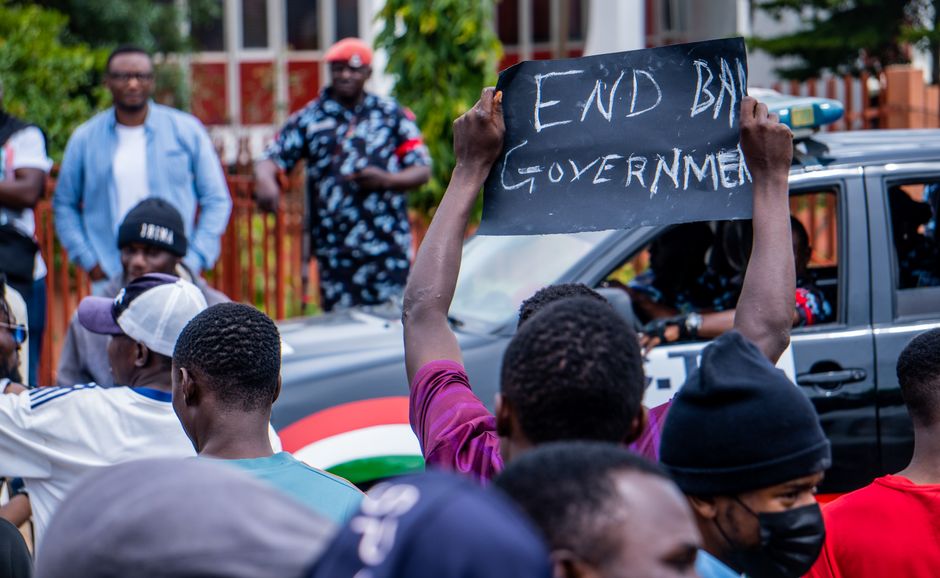
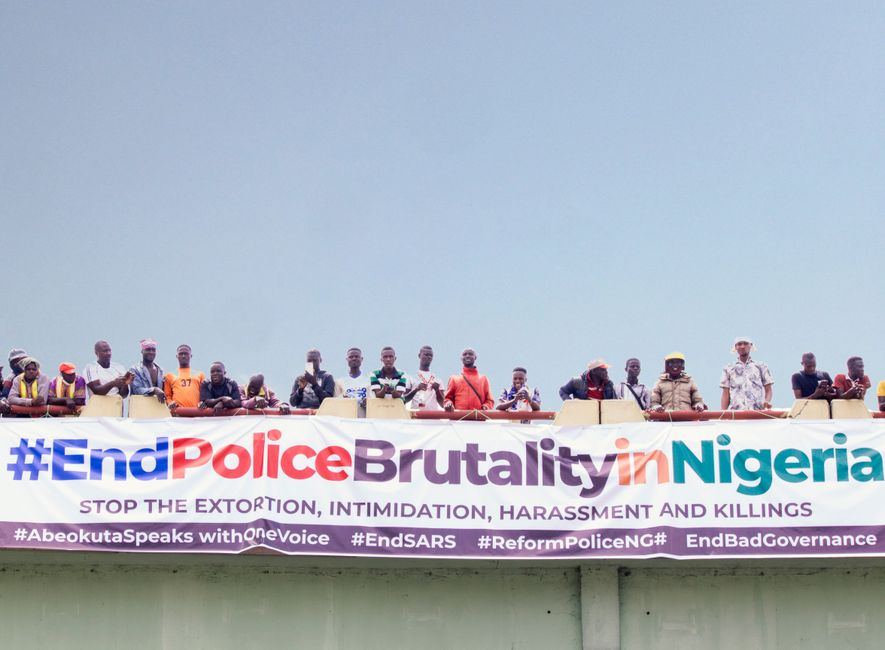
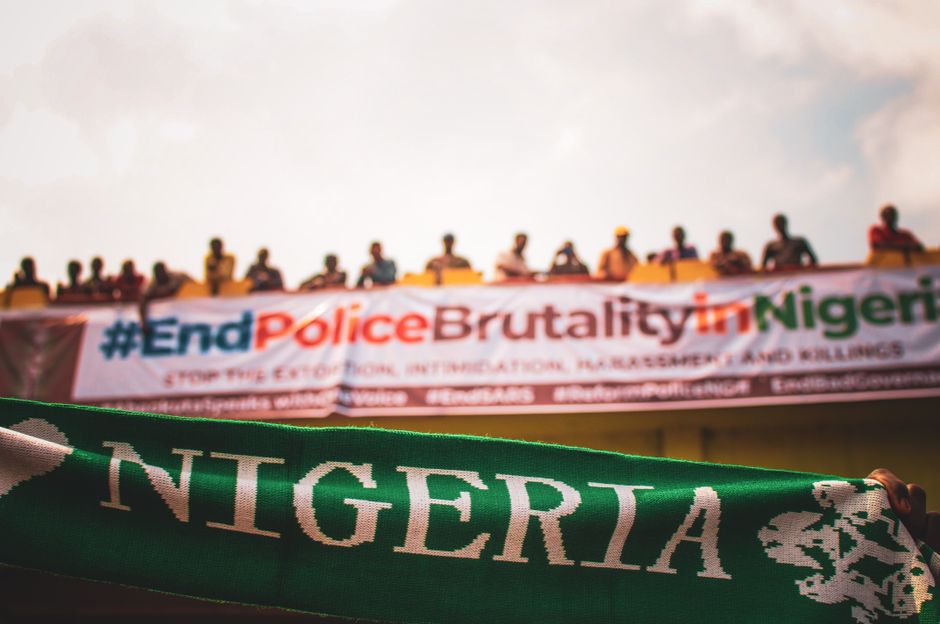
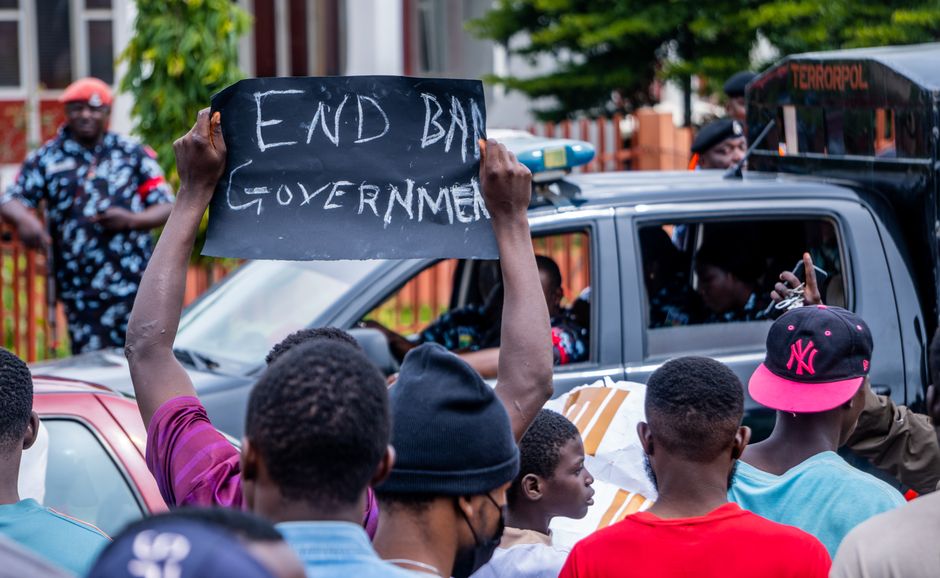
The current push for police reform is not a sudden epiphany; it’s a desperate attempt to patch a system that has been failing the **Nigerian** populace for far too long. For several decades, Nigeria has grappled with an internal security architecture that is fundamentally broken. From widespread banditry to insurgency and kidnapping, the daily lives of citizens are marred by an omnipresent threat. This constant state of insecurity naturally fuels public distrust in the very institutions meant to protect them. The #EndSARS protests of 2020, for instance, were a stark, visceral outcry against police brutality and corruption, demonstrating the depth of public anger and disillusionment.
The existing federal police force, centralized and often perceived as detached from local realities, has struggled to contain the diverse and evolving security challenges across such a vast and complex nation. Its reach is limited, its resources often stretched thin, and its accountability mechanisms frequently called into question. Consequently, the idea of state police has gained significant traction, promising a more localized, responsive, and potentially accountable security presence. However, the reluctance of the 36 states to ratify this establishment points to a deeper political stalemate. Are the states hesitant due to funding concerns, fears of political weaponization of local forces, or simply a lack of consensus on the operational framework? These are critical questions that remain largely unanswered, yet they underscore the intricate web of political interests at play. The current situation highlights a dangerous impasse: security deteriorates while political actors dither, leaving ordinary Nigerians caught in the crossfire.
Tinubu’s Tightrope Walk: Reform or Rebrand?
President Tinubu’s proposed solution—a national police force alongside a local one—is a delicate tightrope walk, and frankly, it feels more like a rebranding effort than a genuine overhaul if not handled with extreme precision. On the surface, it sounds pragmatic: maintain federal oversight for national crimes while empowering local communities with their own forces. However, the devil is always in the details, and in Nigeria’s fractured political landscape, those details could unravel quickly. The mainstream narrative often suggests this dual system offers the best of both worlds – centralized coordination for major threats and localized intelligence for community-specific issues. But let’s be real: this could easily devolve into a bureaucratic nightmare of overlapping jurisdictions, turf wars, and even greater avenues for corruption.
Who truly benefits from such a setup? The political elite might see an opportunity to consolidate power at both federal and state levels, potentially creating personal militias masquerading as legitimate law enforcement. This could lead to local police forces being used to suppress dissent, settle political scores, or enforce the will of state governors rather than serving the public good. Meanwhile, the average **Nigerian** citizen, desperate for safety, might find themselves navigating a more complex, less transparent, and potentially even more oppressive security landscape. The risk of jurisdictional ambiguity is immense; who responds to a crime? Which force has ultimate authority? Such confusion could be exploited by criminals and further erode public trust. Without robust oversight, clear lines of command, and strict accountability mechanisms embedded *before* implementation, this dual system could inadvertently legitimize a fragmented security apparatus, making effective reform even more elusive. The real solution lies not just in restructuring, but in fundamentally changing the culture of policing, prioritizing citizen protection, and holding officers accountable at every level. Anything less is merely rearranging deck chairs on a sinking ship, while the people drown in insecurity.
The question isn’t whether Nigeria needs police reform, but whether its leaders have the political will to enact *true* reform, or if they will merely offer another complex, easily exploitable half-measure. The lives of millions depend on the answer.
Source: France 24