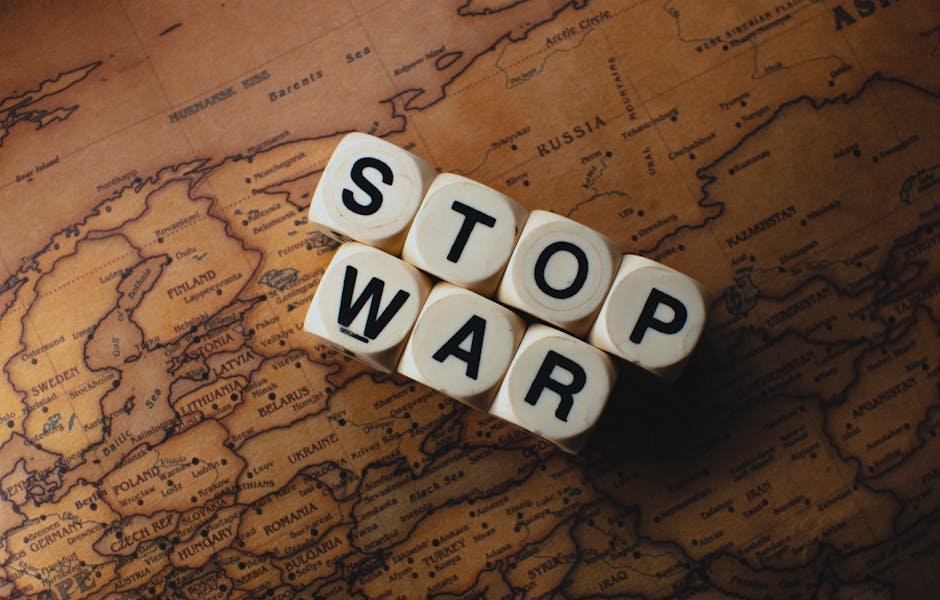
The Middle East is a volatile chessboard, and just when it seemed like a ceasefire might hold in Lebanon, the pieces are being knocked over again. Why does peace in this region feel like a cruel joke, perpetually out of reach? According to The Washington Post, tensions are flaring anew as former President Trump pushes for a deal with Iran, a move that could drastically reshape the region’s already fragile dynamics.
The ceasefire that had briefly quelled hostilities in Lebanon is faltering, with reports indicating that skirmishes are reigniting. As factions vie for control and influence, Trump’s advocacy for an Iran deal adds another layer of complexity. The stakes are high, and the ramifications could extend beyond Lebanon, affecting neighboring countries and igniting further conflict in the region.
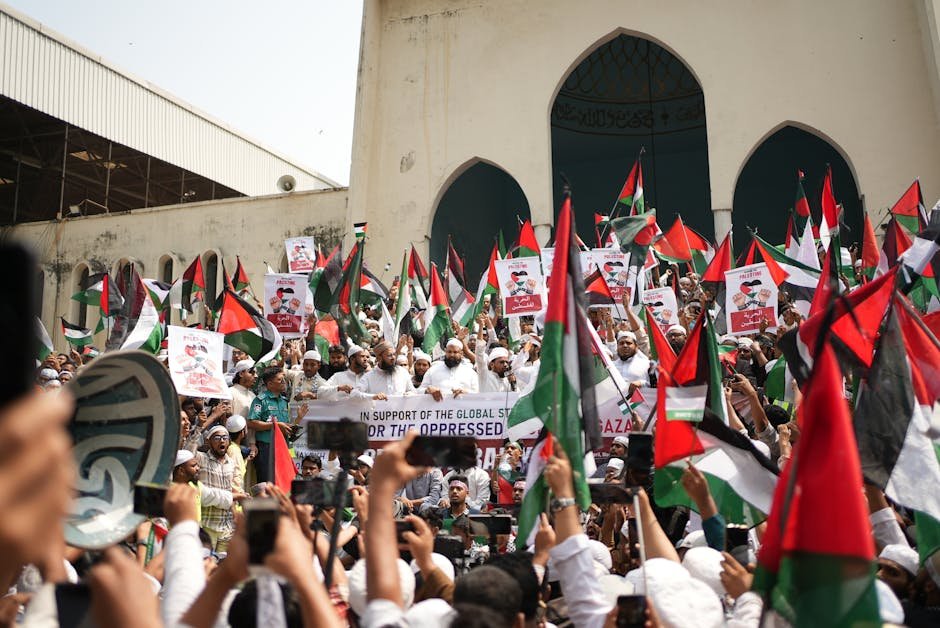
The Middle East’s Complicated Landscape
This matters now more than ever. The Middle East has been a flashpoint for geopolitical intrigue and violence, with Lebanon caught in a web of both local and international challenges. Hezbollah, backed by Iran, remains a key player, while factions within the country grapple with their own interests, all under the looming shadow of foreign interventions. Trump’s interest in brokering a deal with Iran comes at a time when the U.S. is attempting to recalibrate its role in the region. However, such moves often ignore the unique socio-political threads that tie the area together and can lead to disastrous consequences.
The irony is thick: while Trump appears eager to forge a new path with Iran, the realities on the ground tell a different story. The U.S. has historically been a destabilizing force, swinging between supporting authoritarian regimes and promoting democracy, often falling flat. Now, as the ceasefire wavers, the dangers of miscalculating Iran’s involvement become all too clear.
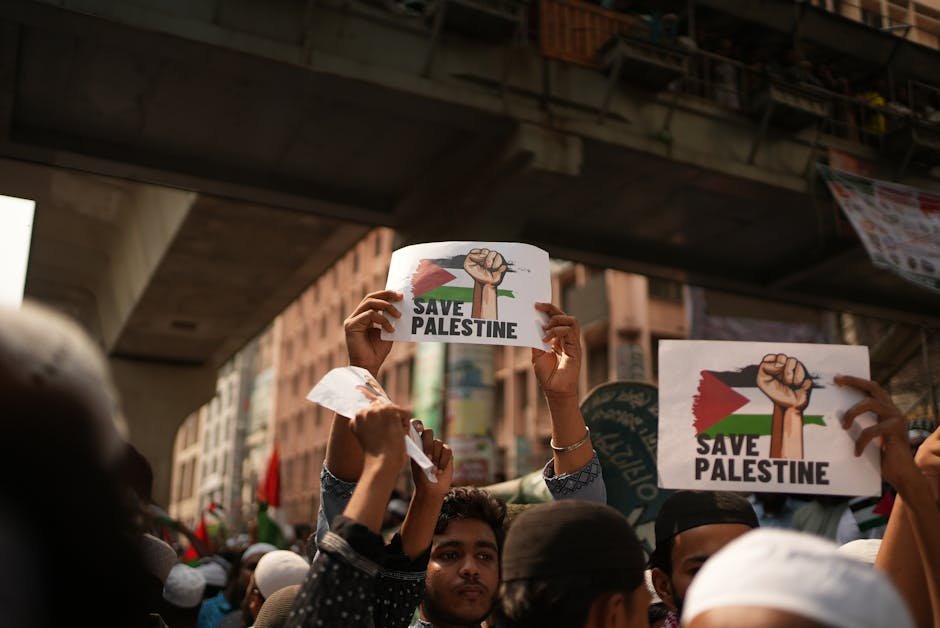
Hot Takes on a Fractured Ceasefire
So, who wins and who loses in this unfolding drama? If the ceasefire collapses entirely, civilians will undoubtedly bear the brunt, caught in a crossfire of competing interests. The hegemonic ambitions of regional powers like Iran and their adversaries will deepen the wounds of a population already fatigued by years of conflict. The mainstream media often glosses over these narratives, framing the conflict as merely a backdrop for political maneuvering instead of recognizing the human toll.
Trump’s dealings could very well embolden hardliners within Iran, who may see it as a validation of their aggressive posturing. Conversely, it could push moderate voices further into silence, as fear of retaliation looms. The cycle of violence could spiral into a more chaotic and prolonged conflict, where the average Lebanese citizen suffers the most.
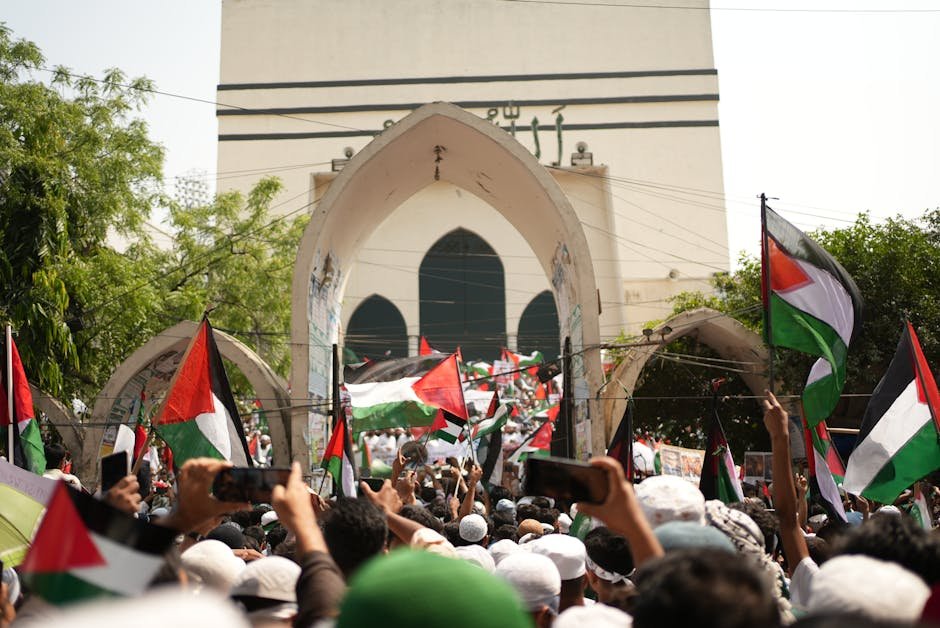
Additionally, the Trump administration’s focus on an Iran deal may neglect the voices of Lebanon’s people, who yearn for stability more than anything else. The lack of genuine engagement with local sentiments can only exacerbate the situation, leading to a renewed cycle of aggression and resistance.
As the dust settles on this fragile ceasefire, one thing is clear: the Middle East remains a high-stakes battleground, where the ambitions of a few can disrupt the lives of many. Will we see a sustainable resolution, or are we destined to watch the same tragic play unfold once more? Only time will tell, but the clock is ticking, and the stakes couldn’t be higher.
Source: Google — Middle East