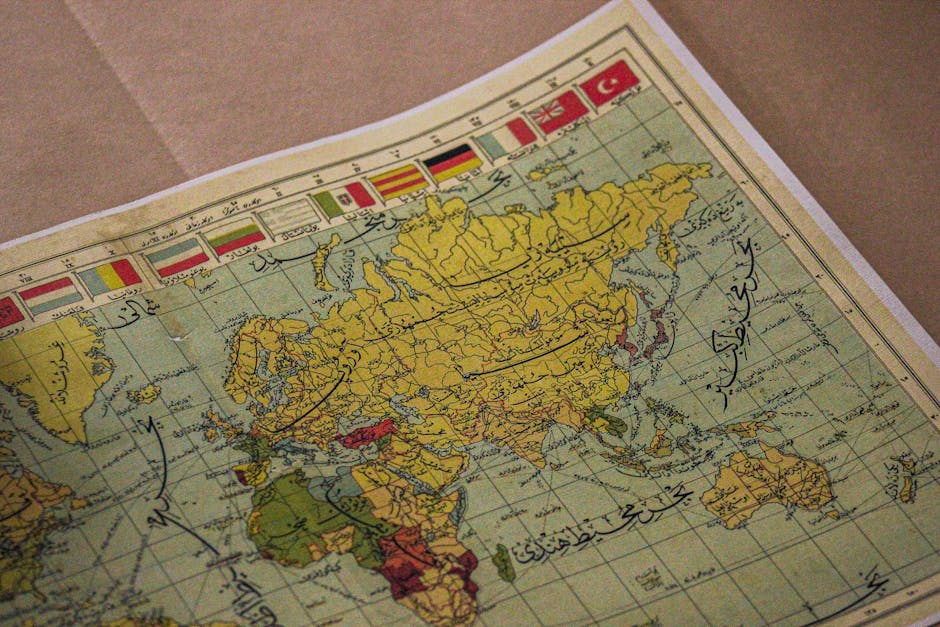
In a world where the stakes are always escalating, can we really afford to let Trump make a “final determination” on the Iran deal? The Middle East is teetering on a knife edge, and the implications of this decision could ripple far beyond borders. According to the BBC, Trump convened a meeting aimed at assessing the fate of the Iran nuclear agreement, a pivotal deal that has global ramifications.
The Context of the Middle East Crisis
This moment is crucial—an intersection of history, power struggles, and geopolitical intrigue. The Iran deal, formally known as the Joint Comprehensive Plan of Action (JCPOA), was initially struck in 2015 to curb Iran’s nuclear program in exchange for sanctions relief. However, tensions have simmered since the U.S. withdrew from the agreement in 2018, leading to a cycle of confrontation and distrust. Trump’s latest meeting signals an attempt to reassert control over America’s foreign policy in the Middle East, a region already fraught with complexities involving Iran, Israel, and various proxy conflicts.
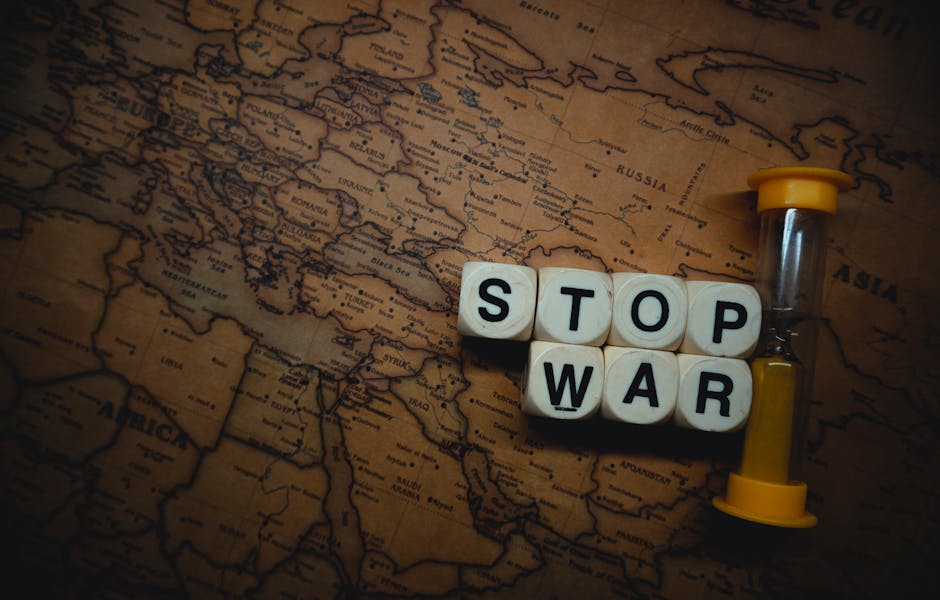
Why now? The Middle East is hotter than a summer day in the desert. The recent escalation of violence and diplomatic spats suggests that any misstep in the nuclear negotiations could ignite a broader conflict. Trump, ever the showman, seems to thrive on this chaos, positioning himself as the savior of U.S. interests while simultaneously alienating allies who view his unilateral approach with skepticism.
The Stakes of the Middle East Power Play
So, who stands to gain or lose from Trump’s “final determination”? In the short term, Israel’s hardline government is likely cheering Trump on, hoping for a deal that re-establishes U.S. dominance in the region while undermining Iran’s influence. However, this perspective neglects the long-term consequences of further destabilizing an already fragile situation. If Trump decides to walk away from negotiations entirely, we could see Iran ramp up its nuclear ambitions, with dire consequences for regional stability.
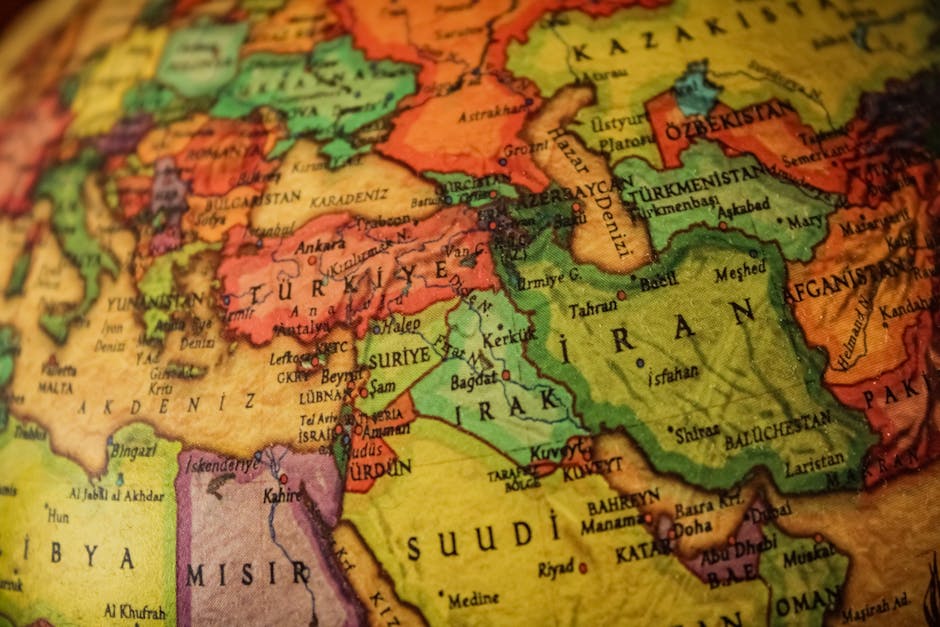
Moreover, the mainstream narrative often overlooks another critical player: the Iranian populace. The sanctions and the turmoil from the U.S. withdrawal have hurt ordinary Iranians, fostering resentment towards the West. If progress isn’t made, this could breed extremism and further complicate U.S. interests in the Middle East.
We need to ask ourselves: is America truly prepared for the fallout of another failed diplomatic effort? The Middle East is a volatile chessboard, and every move carries the weight of history, emotion, and the potential for violence.
In a world where peace can often feel like a mirage, one thing is certain: the decisions made in this meeting will resonate long after the dust settles. Whether we emerge with renewed hope for a diplomatic resolution or spiral into chaos may very well depend on how seriously this “final determination” is taken. As Trump takes the stage once again, are we simply spectators to a political spectacle, or are we watching the birth of a new crisis? The answer may lie not just in the Middle East, but in our collective ability to engage with the complexities that define it.
Source: Google — Middle East