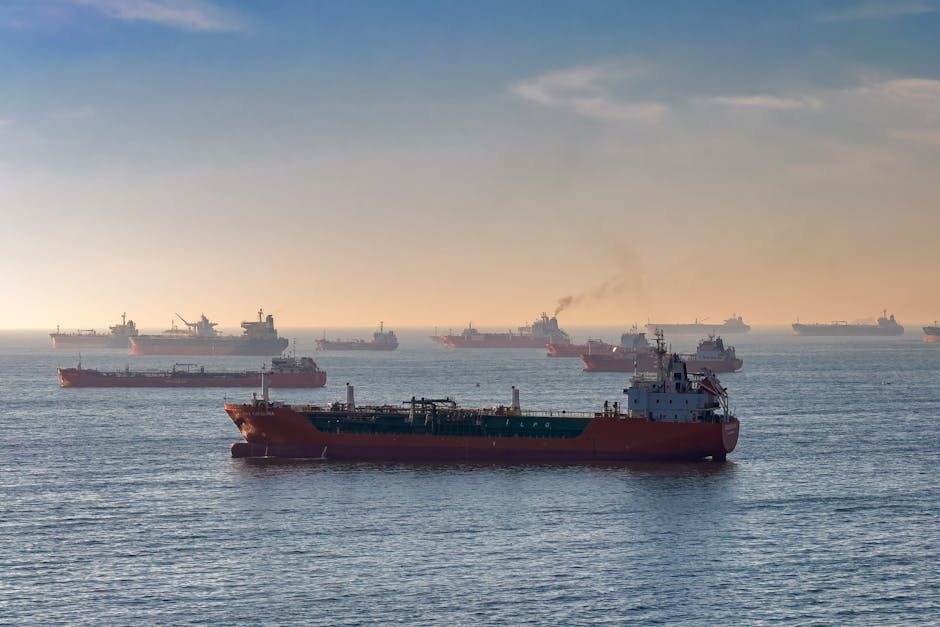
The Strait of Hormuz isn’t just a narrow waterway; it’s the nerve center of the world’s oil supply, and the recent U.S. moves signal that the Middle East might be on the brink of a tense recalibration. Are we witnessing a fragile reopening, or just a temporary fix to a chronic geopolitical chaos?
According to The New York Times, U.S. officials are reportedly closing in on an arrangement to reopen the vital shipping route through the Strait of Hormuz. This development comes amid ongoing tensions in the region, particularly involving Iran, which has long wielded its influence over this crucial maritime corridor.
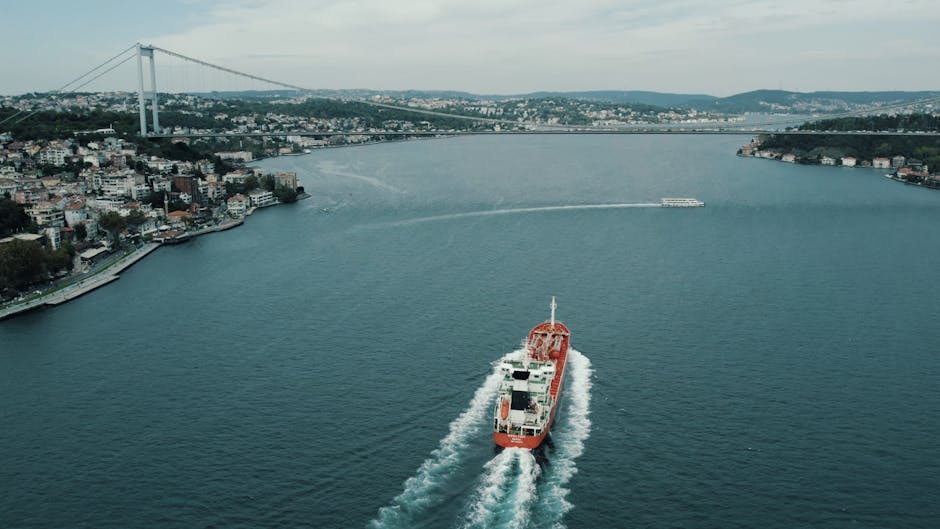
The Stakes in the Middle East
Why does this matter now? The Strait of Hormuz is a chokepoint for approximately one-fifth of the world’s oil supply. With rising prices and a volatile global energy market, the importance of a stable passage for tankers has never been more critical. Tensions have escalated in recent months due to a series of confrontations between U.S. forces and Iranian proxies. The U.S. is under pressure to secure not just its own energy interests, but also to guarantee oil supplies for its allies in Europe and Asia.
Yet, behind the diplomatic curtain lies a web of alliances and enmities, where every handshake could mask a dagger. Iran views control of the Strait as a matter of national pride and sovereignty, while the U.S. sees it as a pivotal point for maintaining its influence in the region. The stakes have never been higher, and the potential for miscalculation is alarmingly high.
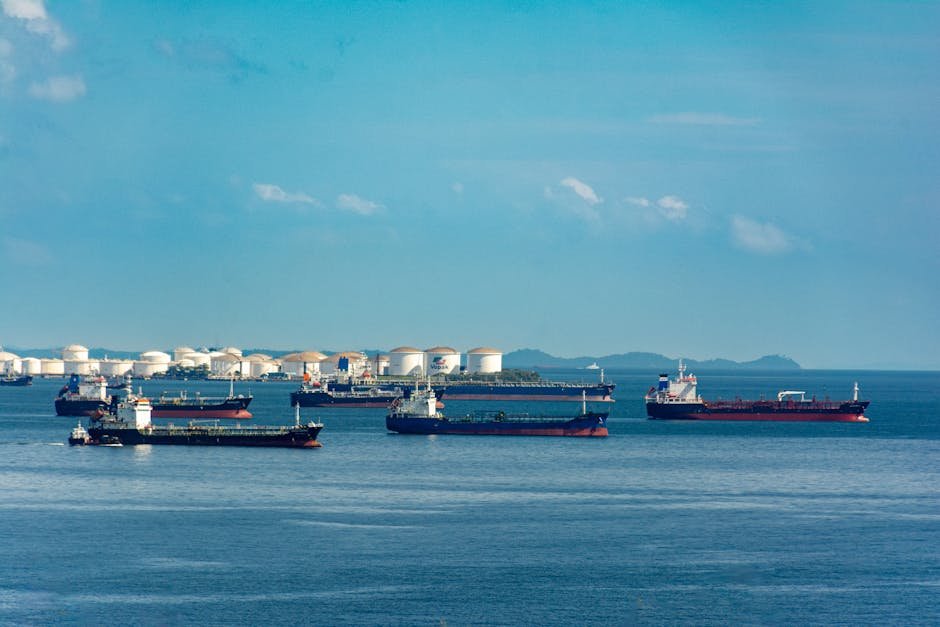
Hot Take: Who Wins, Who Loses?
What could go wrong? While the reopening of the Strait of Hormuz might sound like a positive step, it’s crucial to recognize that this development is fraught with risks. If the U.S. secures a deal, it could temporarily stabilize oil prices, benefitting economies that rely on steady energy supplies. However, Iran may interpret this as a sign of weakness and escalate its aggressive posture, further destabilizing the region.
In the zero-sum game of Middle Eastern geopolitics, there are no real winners. The U.S. may gain short-term stability, but it will likely enhance Iran’s bargaining power in future negotiations. Meanwhile, countries in the region, especially those like Saudi Arabia and the UAE, must be nervous about the implications of a more assertive Iran buoyed by any perceived victory.
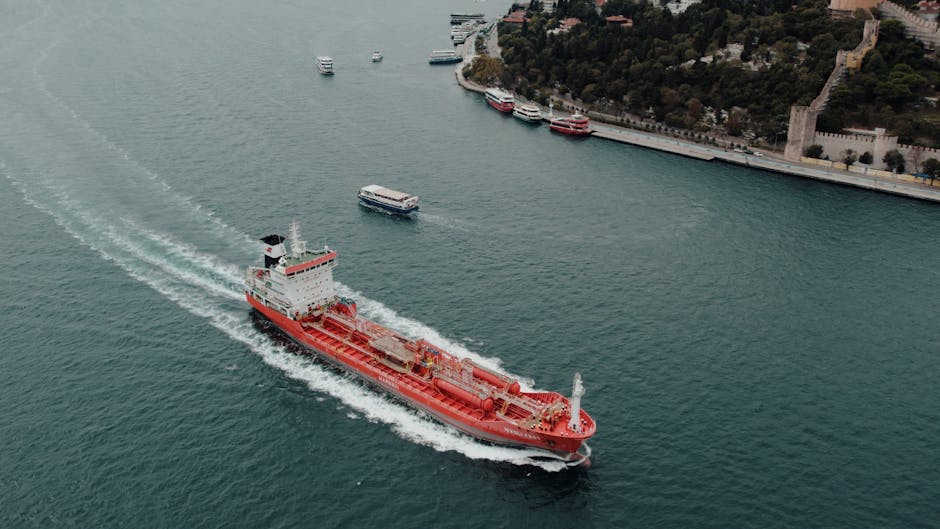
The mainstream narrative often simplifies this situation as a mere logistical challenge; in reality, it is a complex interplay of diplomacy, military strategy, and economic necessity. For every possibility of cooperation, there’s an equal chance that we’ll see renewed hostilities spiral out of control, potentially dragging the region—and the world—into another cycle of conflict.
As we look ahead, one question looms larger than the others: can the fragile diplomatic solutions hold against the backdrop of historical animosities and modern-day rivalries? The Strait of Hormuz might reopen, but whether it remains open is another matter entirely. The Middle East is not just a geographical location; it is a battleground of ideologies, resources, and survival strategies. The next few weeks will be telling.
Source: Google — Middle East