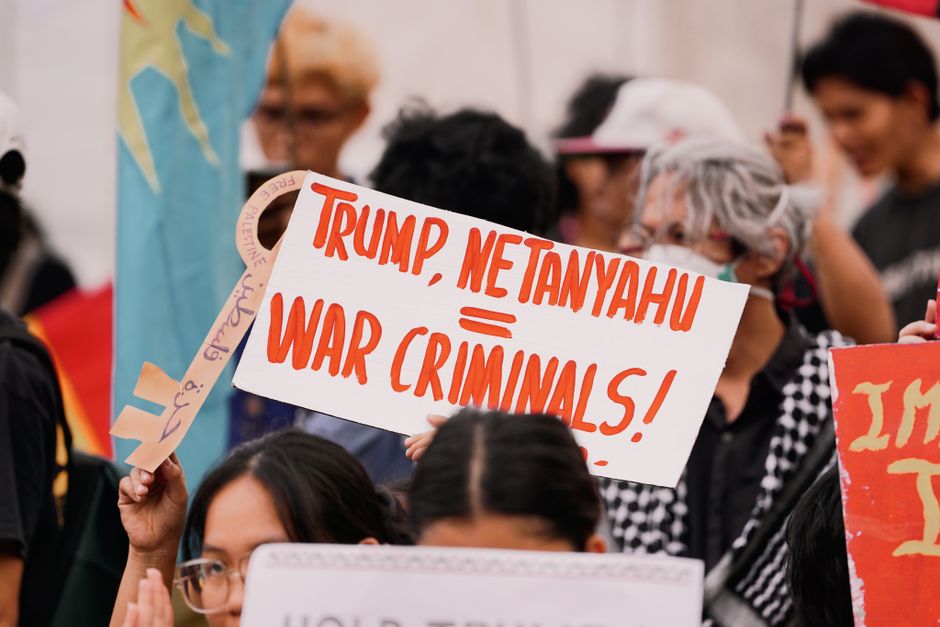
In a world where geopolitical chess is played with real lives, this one question hovers ominously: can Donald Trump actually rein in Benjamin Netanyahu’s ambitions in the Middle East? According to Axios, Trump plans to urge the Israeli Prime Minister not to retaliate against Iran for its aggressive actions. If successful, it would mark a significant shift in the Middle East narrative, but can anyone really believe that Netanyahu would take that advice?
According to Axios, Trump’s statements come amid rising tensions in the region following Iran’s recent provocations. The former U.S. president seeks to influence Israeli actions by suggesting restraint in the face of Iranian belligerence. This intervention is not just a casual conversation; it reflects the fraught dynamics between the U.S., Israel, and Iran and highlights Trump’s ongoing involvement in Middle Eastern politics even after leaving office.
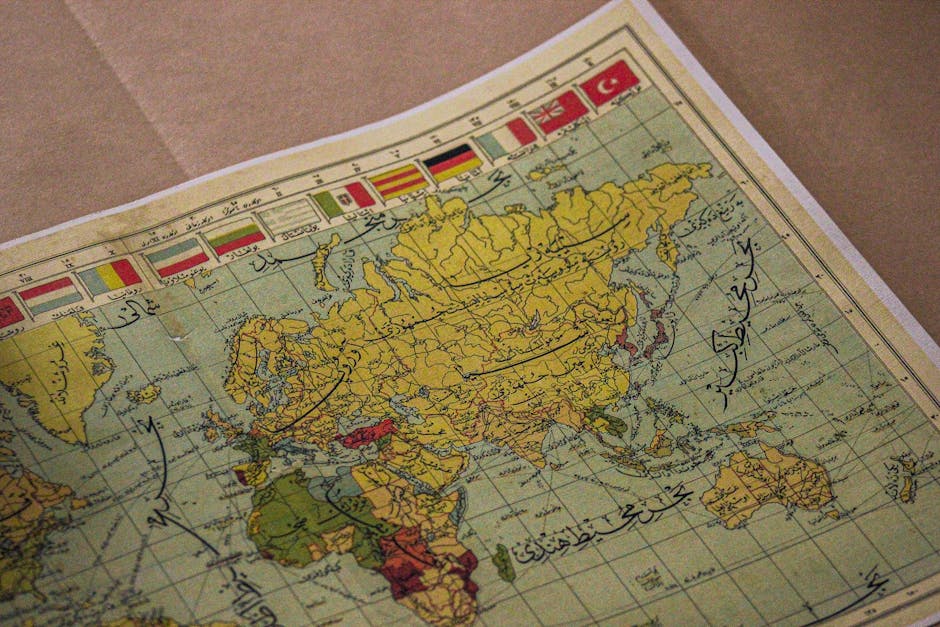
The Evolving Dynamics of the Middle East
This moment matters now more than ever. The Middle East is a powder keg, with various factions vying for power and influence. Iran has long been a thorn in Israel’s side, sponsoring proxy groups that threaten Israeli security and stability. Trump’s proposal, if taken seriously, could symbolize an unprecedented diplomatic effort. But it could also exacerbate tensions if Netanyahu feels cornered or embarrassed.
Netanyahu’s government has often acted independently of U.S. advice, eyeing Iranian threats as justification for aggressive military posturing. The Israeli Prime Minister has a history of prioritizing strategic action over diplomatic finesse, which means Trump’s call for restraint may fall on deaf ears. Adding fuel to the fire, there is a significant chunk of the Israeli electorate that supports a hardline approach toward Iran, complicating any potential diplomatic avenues.
Stakes and Implications in the Middle East
Let’s cut to the chase: there are significant stakes here. If Netanyahu ignores Trump’s advice and retaliates against Iran, it could lead to a wider regional conflict. The U.S. may find itself drawn into yet another Middle Eastern quagmire, jeopardizing American interests and troops in the region. Conversely, if Netanyahu heeds Trump’s plea and refrains from retaliation, he risks losing credibility with his domestic audience and emboldening Iran.
The mainstream narrative often portrays Trump as a mere spectator in these geopolitical games, but his influence remains significant. His request could be seen as an attempt to shift the balance of power, potentially steering the Middle East into a more peaceful trajectory — or a more dangerous one if it fails. However, as we know, peace in the Middle East is often more of an ideal than a reality.

Now, let’s entertain the counterargument: some might say that Trump’s intervention reflects a pragmatic approach to peace. If he can prevent further escalation, perhaps he’s providing a necessary voice of reason. However, history has shown us that Trump’s unpredictability and penchant for controversy can often lead to more chaos than calm.
In the end, the question remains: can Trump’s intervention make a dent in the Israeli-Iranian standoff, or is it just another footnote in the turbulent saga of Middle Eastern politics? The world will be watching closely as this plays out, but one thing is for sure: the stakes in the Middle East are too high for complacency. Can we really expect restraint from a leader known for his bombast, or are we in for yet another volatile chapter in this relentless saga?
Source: Google — Middle East