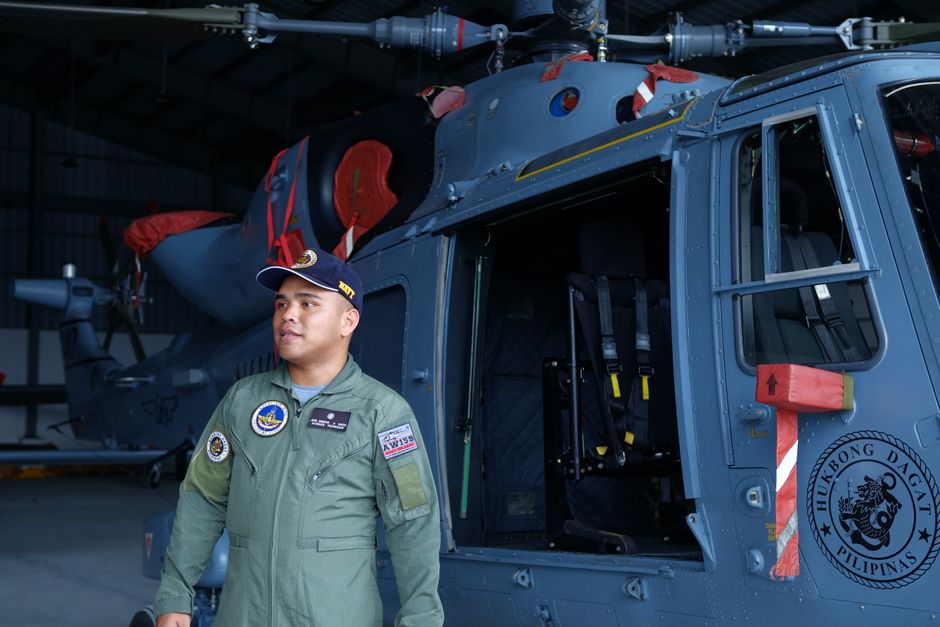
The ongoing saga of political expression versus institutional discipline just added another chapter, proving that even a call for impeachment, however constitutionally enshrined, can be fraught with peril when it concerns **Trump**.
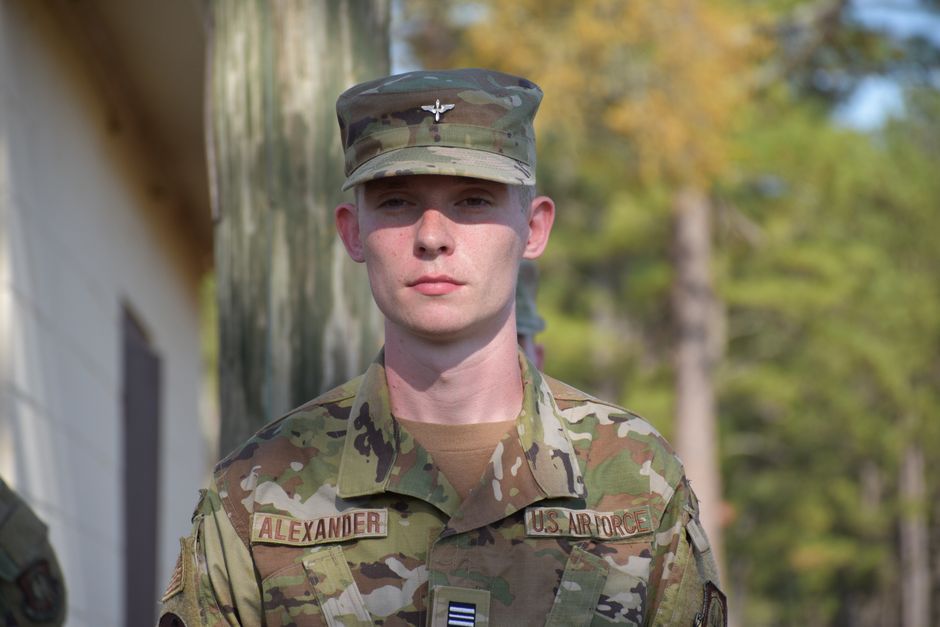
The latest dispatch from the front lines of this particular culture war comes courtesy of stripes.com, reporting on an Air Force major now facing a litany of charges. His alleged transgression? Publicly advocating for the impeachment of former President Trump. This isn’t just about a military officer speaking out; it’s about the very fine, often invisible, line between a citizen’s right to free speech and a service member’s duty to remain apolitical.
The incident unfolds against a backdrop of heightened political polarization, where the mere mention of certain names can ignite passionate debate, or in this case, formal military proceedings. For those in uniform, the rules of engagement extend beyond the battlefield to the public square, often demanding a silence that can feel at odds with the democratic principles they swear to protect. The charges themselves – ranging from insubordination to conduct unbecoming an officer – signal a serious institutional response to what some might view as a mere opinion, albeit a pointed one.
What landed
What landed with all the subtle grace of a dropped ordinance is the unequivocal message that the military establishment takes its apolitical stance, or at least its *perceived* apolitical stance, very seriously. Stripes.com reports that the major’s actions, even if stemming from deeply held beliefs, crossed a line that the Air Force is prepared to defend with formal charges. This serves as a stark reminder that while the First Amendment may be broad, its application within the disciplined ranks of the armed forces is considerably narrower.
The sheer volume of charges also landed with impact, suggesting a comprehensive effort to address the transgression rather than a minor slap on the wrist. It reveals the military’s robust framework for addressing dissent, particularly when it touches upon senior political figures. For any service member contemplating a public political declaration, this case offers a sobering clarity: the institutional repercussions can be swift and multifaceted. The system, it seems, can be remarkably efficient when it comes to maintaining internal decorum, even if the external political landscape is anything but.
What doesn’t add up
Where things start to feel less like a crisp military formation and more like a tangled parade ground is in the fundamental tension between a service member’s oath and their personal convictions. An officer swears to uphold the Constitution, which includes, one would presume, the mechanisms for accountability like impeachment. So, when does advocating for a constitutional process become “conduct unbecoming” or “insubordination”? The distinction, apparently, is in the *who* and the *how*. It certainly doesn’t add up for many that expressing a political opinion, however controversial, should automatically equate to a breach of honor or duty, especially when the subject is a former commander-in-chief.
Furthermore, the optics of this situation raise uncomfortable questions about selective enforcement. While the military has clear rules against partisan political activity, the application often feels less than perfectly consistent. One might wryly wonder if similar calls for other political actions, perhaps less palatable to current leadership, would draw the same swift and severe response. The lack of transparency around internal deliberations often leaves the public to connect dots that don’t quite align, fostering a skeptical view of whether discipline truly serves neutrality or merely reinforces a preferred narrative. The precise delineation of what constitutes “political activity” for a service member, particularly in an era of social media, remains a perpetually fuzzy area, ripe for interpretation that often feels politically rather than purely pragmatically driven.
Come Monday morning, this incident will undoubtedly send a shiver down the spine of many a uniformed individual contemplating a nuanced post or a pointed comment. It signals a hardening of lines within the military regarding political speech, particularly when it critiques former presidents like Trump. The debate about free speech versus military discipline will rumble on, but for now, the message is clear: within the ranks, discretion, or perhaps outright silence, remains the better part of valor.
Source: Google — Leader interviews