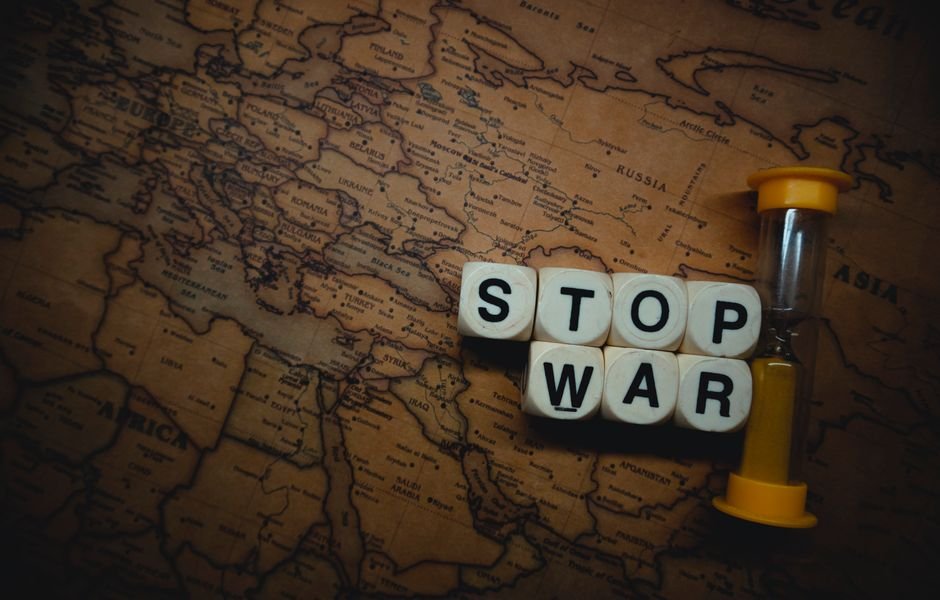
What will it take for the world to realize that the Middle East is a powder keg ready to explode? The recent Iranian strikes in Kuwait, which killed one and injured 63, have only further strained an already frail ceasefire with the United States. According to NBC News, this incident has thrown the region into turmoil, with sparks flying from a conflict that refuses to be tamed.
Escalating Tensions in the Middle East
This attack highlights a significant and dangerous escalation in the Middle East. The complexity of the situation is heightened by varying interests and power dynamics. Iran, feeling cornered by U.S. foreign policy, appears to be flexing its military muscle, testing the waters to see just how far it can push its adversaries before they react. With a ceasefire already hanging by a thread, the stakes couldn’t be higher. Regional players are now caught in a clash that threatens to spiral beyond their control.
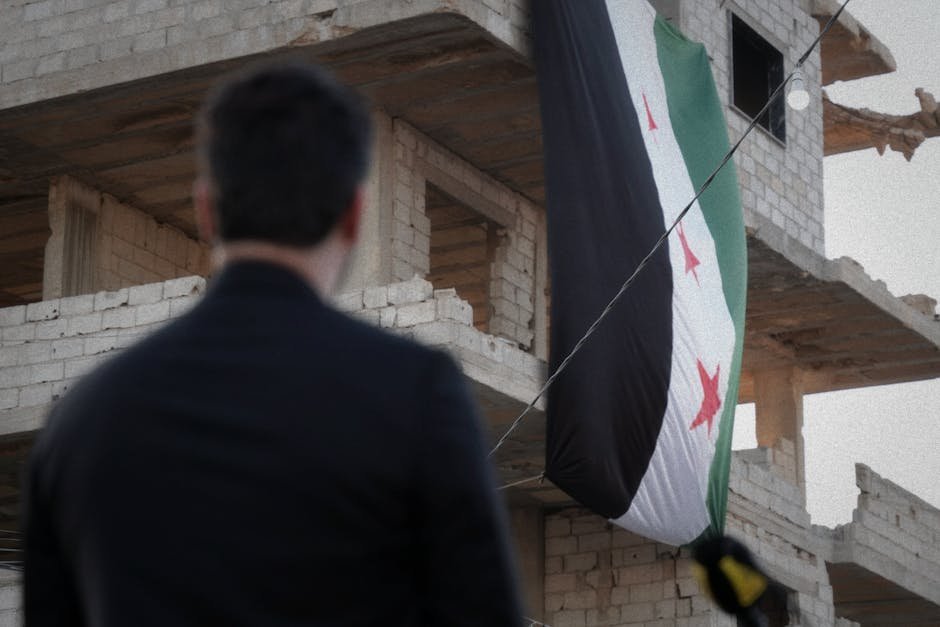
Additionally, we can’t ignore the wider implications of these strikes. Kuwait, often seen as a stable ally in the region, has suddenly found itself on the frontline of this geopolitical chess game. The United States has been trying to reel in Iran’s aggression while keeping its allies safe. However, each strike and retaliatory gesture only adds more layers of complexity, raising the question: how much longer can the U.S. afford to stand back?
Who Wins and Who Loses in this Middle East Conflict?
In the grand scheme, this is a game of high stakes with severe consequences. Iran may feel emboldened, thinking it can assert itself without a major backlash. But this boldness could backfire. The U.S. cannot be seen as weak; its allies in the region are watching closely. If the U.S. does not respond decisively, it risks emboldening not just Iran, but a whole host of other adversaries who might see this as a green light for similar aggression.
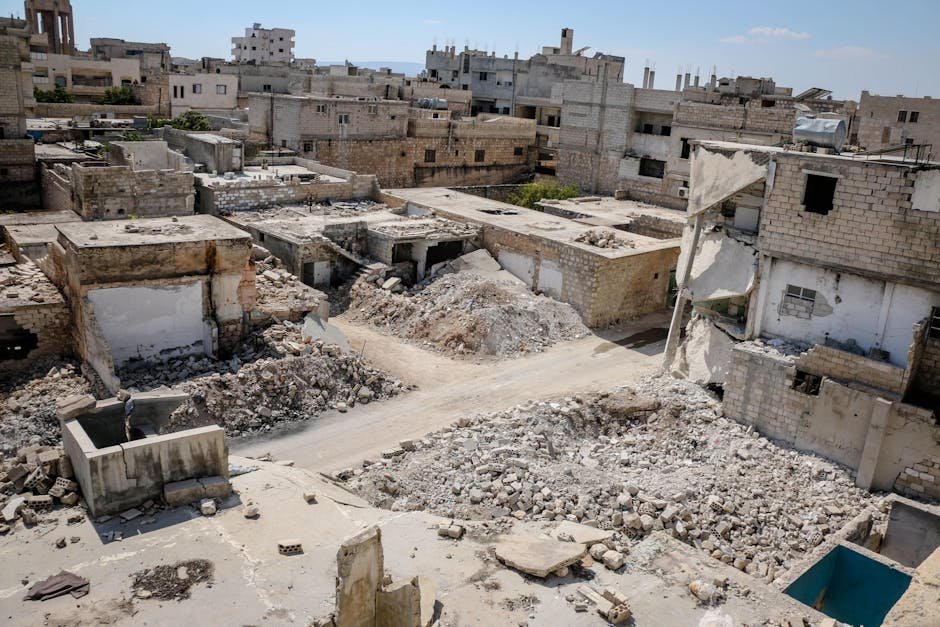
Furthermore, let’s not overlook the local impact. For the people of Kuwait, the reality is stark: they are caught in a crossfire of international diplomacy gone wrong. The injured and the deceased don’t just represent numbers; they embody the tragic cost of a geopolitical struggle that’s about much more than any single nation.
Meanwhile, the mainstream narrative often fails to capture the human toll of these conflicts. The statistics are shocking, but behind every number is a story of lives disrupted and families shattered. This latest incident serves as a grim reminder that behind the political rhetoric lies a harsh reality—one that many in the Middle East know all too well.
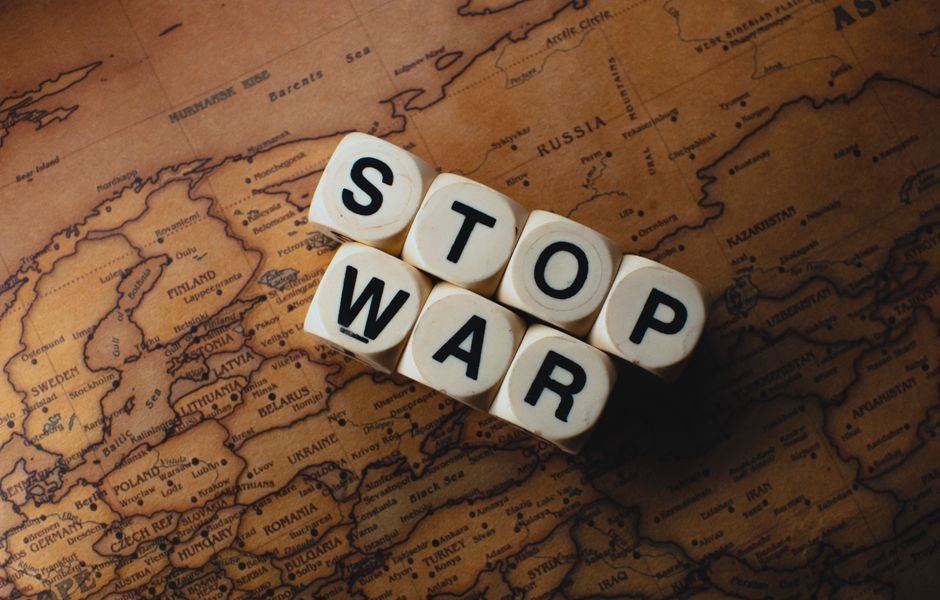
As we consider these developments, it becomes clear that the Middle East is at a crossroads. The balance of power is shifting, and the consequences of miscalculation could be dire. The region has been through cycles of violence before, and each time it takes much longer to heal.
The question remains: how many more strikes, how many more casualties, will it take for the global community to act decisively? We are standing on the edge of a precipice, and the winds of change could bring chaos. The world needs to pay attention, because the Middle East is not just a distant issue—it’s a crisis that will soon affect us all.
Source: Google — Middle East