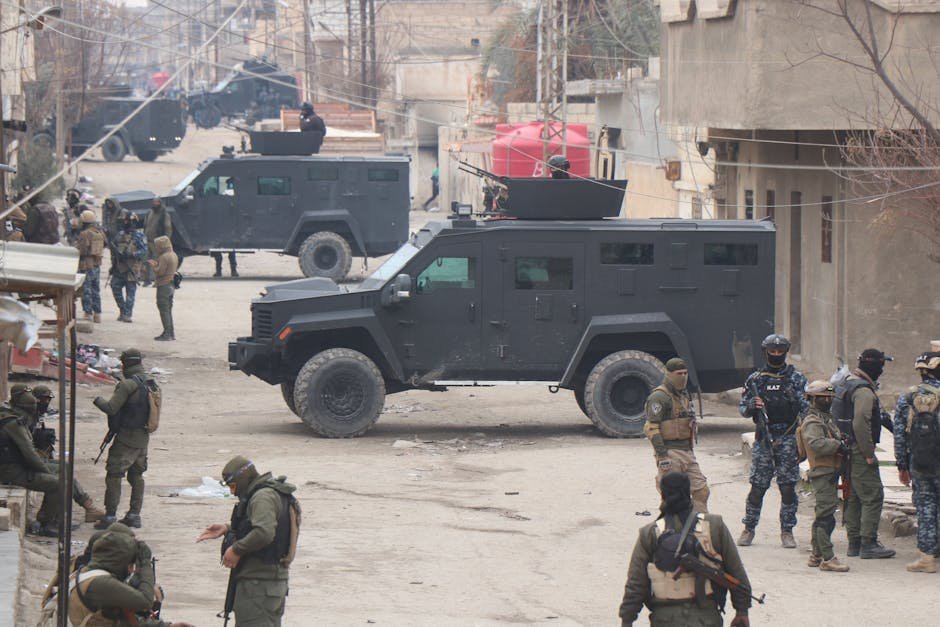
The Middle East is once again a powder keg, and it looks like the fuse is burning fast. As tensions soar between the United States and Iran, we must ask ourselves: what’s really at stake for not just these two nations, but for the entire region? Reports indicate that the U.S. is ramping up military presence in the area, a clear signal that they are prepared for possible confrontation (according to CSIS).
The Stakes in the Middle East
The backdrop of this escalating situation is steeped in a history of distrust and hostility. For decades, the U.S. and Iran have been locked in a geopolitical chess match, punctuated by Iran’s nuclear ambitions and the U.S.’s efforts to curb them. As the world watches, the pressure cooker of the Middle East is threatening to boil over. With recent provocations, including Iran’s missile tests and the U.S.’s sanctions, both sides seem more entrenched than ever. The region’s delicate balance of power is hanging by a thread.
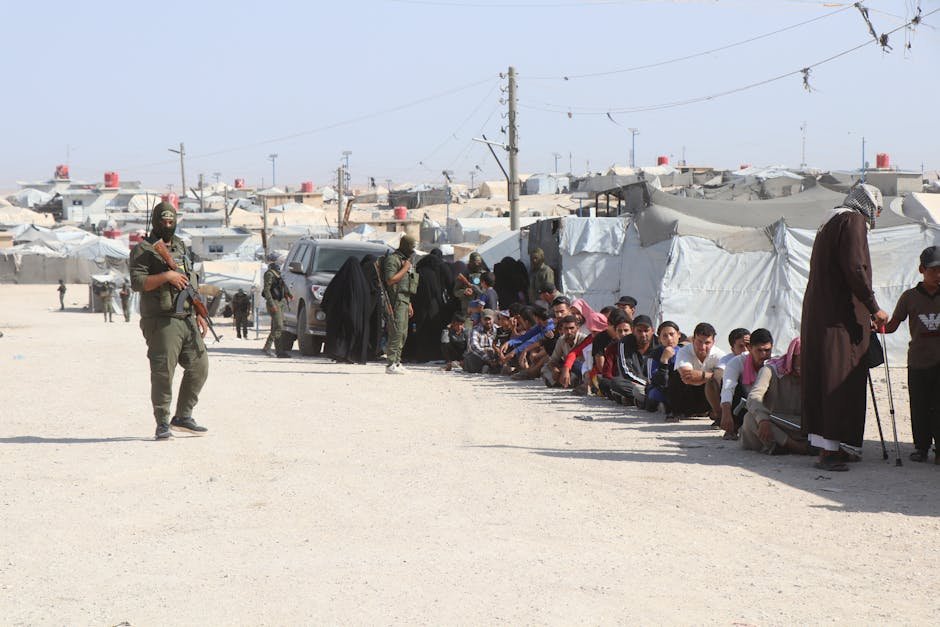
The implications of this standoff also stretch beyond just the U.S. and Iran. Regional players like Saudi Arabia and Israel are closely monitoring the developments. These countries view Iranian power as a direct threat, and their responses could further escalate the situation. Meanwhile, civilians in the Middle East continue to bear the brunt of political gamesmanship. The ongoing humanitarian crises, exacerbated by military actions and economic sanctions, are often overlooked amid the grand narratives of international politics.
Analyzing the Crisis in the Middle East
So, who stands to win, and who will inevitably lose? The U.S. may believe that a show of force will deter Iran, but history tells us that such strategies can backfire spectacularly. Iran, for its part, thrives on the narrative of resistance against perceived Western aggression. If the U.S. continues on this path, it risks not only entrenching Iran’s anti-American sentiment but also inflaming nationalist sentiments across the Middle East.
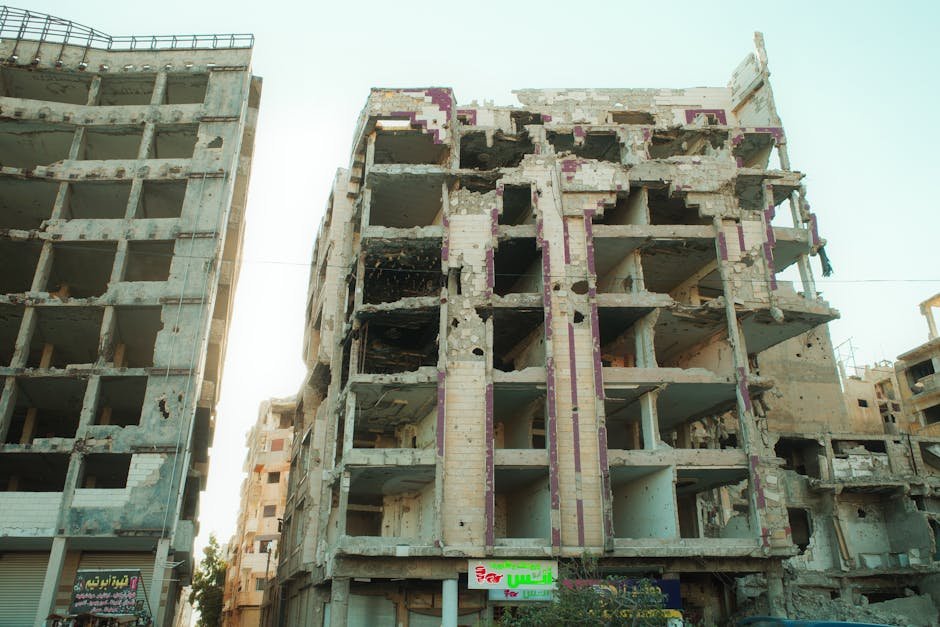
Meanwhile, the mainstream media often glosses over the human element in these stories. The talk of military action is just that—talk—until it leads to boots on the ground, and then the consequences become devastatingly real. Civilians in countries like Yemen and Syria are already suffering catastrophic fallout from conflicts stoked by foreign interventions and proxy battles. Each missile launched increases the risk of collateral damage, igniting the very instability that the U.S. claims to want to resolve.
While some experts argue that a robust military presence might stabilize the situation, the reality is that it often leads to resentment and resistance. The potential for miscalculation is high, and the risk of war looms large. What might seem like a tactical advantage could turn into a strategic nightmare, not just for the U.S. but for the entire Middle East.
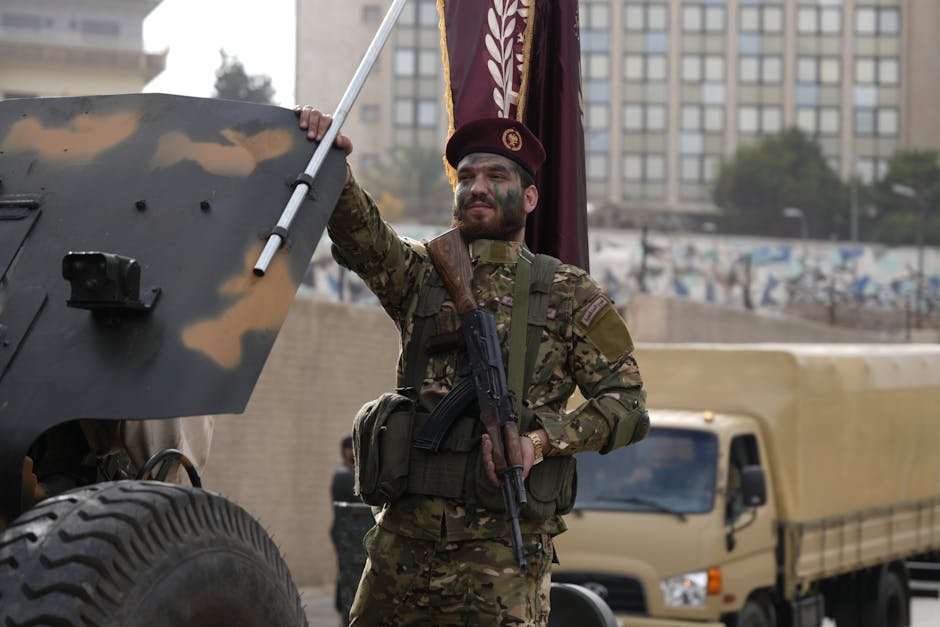
In conclusion, as the U.S. and Iran position themselves in this high-stakes game, we must acknowledge that the Middle East is not just a battlefield for power plays. It is a complex tapestry of humanity, culture, and history that cannot be easily unraveled. Will the leaders in Washington and Tehran recognize the broader implications of their actions before it’s too late? The world is watching, and the consequences will ripple far beyond their borders.
Source: Google — Middle East