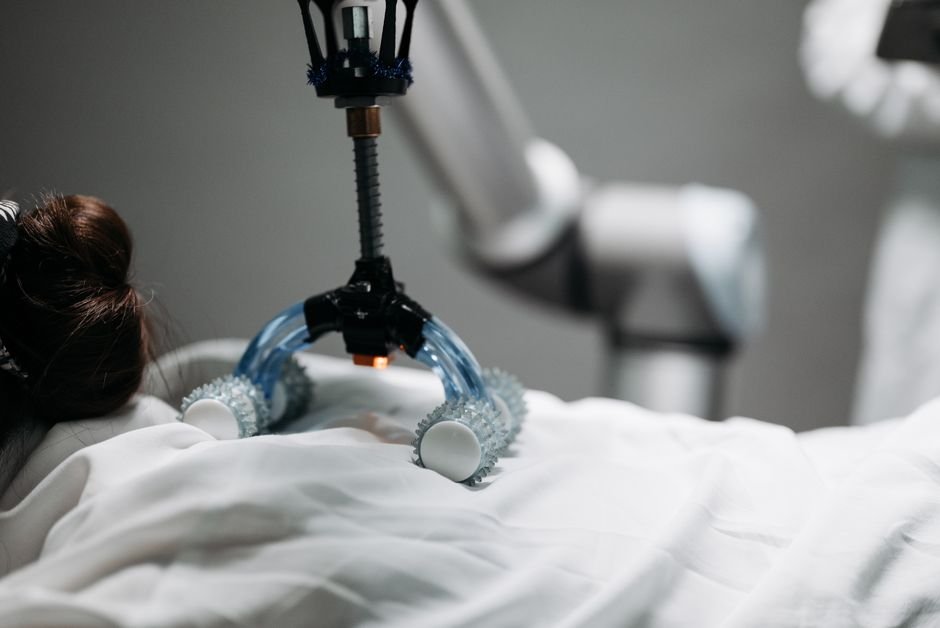
Who knew that the future of surgery would pivot on the same principles that power our smartphones? The latest breakthrough in the world of medicine hinges on one buzzword that’s reshaping every industry — technology. According to a recent report from Nature, researchers have developed an Accurate Surgery Time Prediction (ASTP) strategy that leverages artificial intelligence techniques to forecast surgical durations with stunning precision.
The Intersection of Technology and Medicine
This is not just a minor advancement; it’s a game changer. The ASTP strategy aims to reduce wait times, improve surgical efficiency, and ultimately enhance patient outcomes. As reported by Nature, the technology uses data-driven algorithms that analyze past surgical procedures to predict the time required for future operations. In an environment where every minute counts, especially in life-and-death situations, this innovation could mean the difference between a successful surgery and a catastrophic outcome.

Why does this matter right now? We’re on the cusp of a healthcare revolution, where technology is no longer just an accessory but a fundamental component of patient care. With the healthcare system grappling with backlogs and staffing shortages, particularly in the wake of the pandemic, a solution that streamlines surgical procedures is more than welcome; it’s essential. The players here are not just tech wizards but also surgeons, hospital administrators, and, most importantly, the patients who stand to benefit from these advancements.
Implications of the ASTP Strategy
So, who stands to gain from this technological leap? For surgeons, the ASTP strategy could mean less stress and a more predictable workflow, allowing them to focus on what they do best — operating. Hospitals could see improvements in patient turnover, potentially reducing wait times for surgeries, which is a win for everyone involved. But let’s not forget about patients; they could benefit from reduced anxiety and improved planning for their recovery processes.
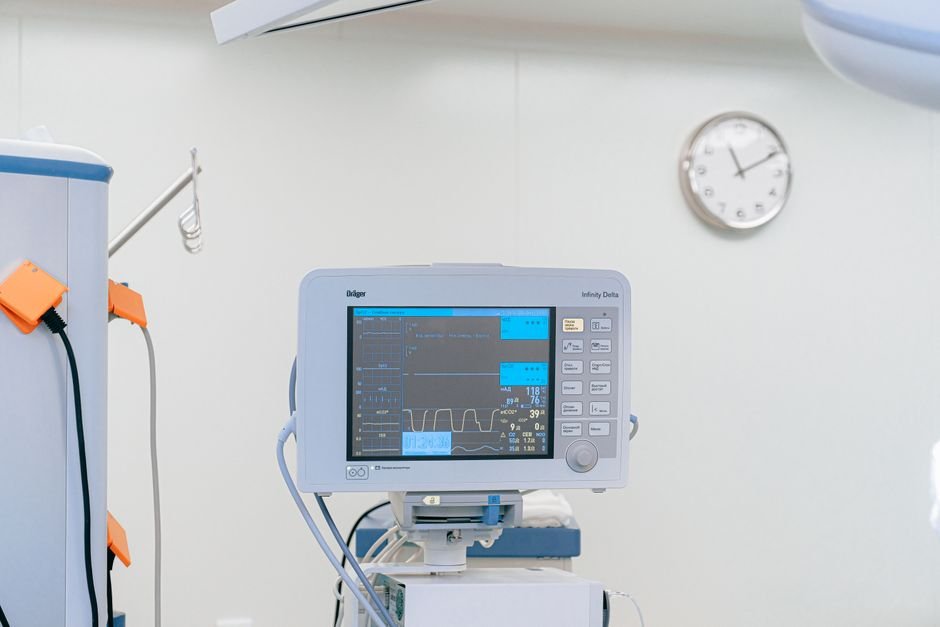
However, we must tread carefully. The reliance on technology in healthcare comes with risks. Are we prepared to face the ethical implications of algorithms making such critical decisions? What happens when the technology fails? It’s easy to get swept away by the allure of innovation, but the healthcare community must remain vigilant about ensuring that technology serves as a complement to human skill, not a replacement.
Moreover, while technology offers immense potential, it also highlights the disparities in healthcare access. Can every hospital adopt this ASTP system? The inequities in healthcare technology deployment could exacerbate existing gaps, leaving rural hospitals struggling while urban centers bask in technological glory.
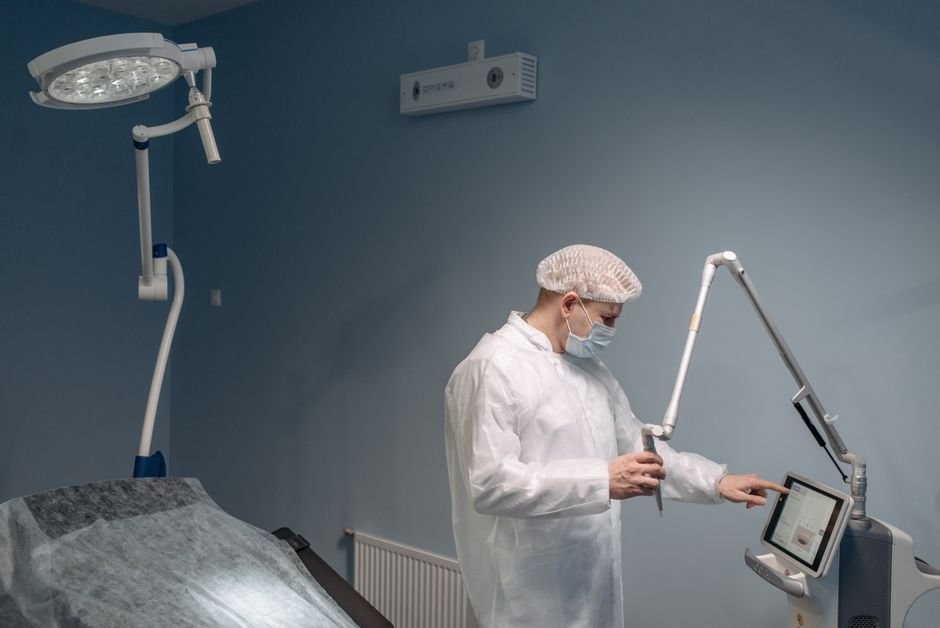
As we stand at this crossroads, we should ask ourselves: is our eagerness for technology blinding us to the nuances of human care? Technological advancements can only go so far if they are not matched with empathy and understanding in patient care.
In conclusion, the Accurate Surgery Time Prediction strategy signifies just another step in the ever-evolving relationship between technology and medicine. It promises a future where surgical outcomes can be predicted with enviable accuracy. But let’s not forget to balance this with human touch and ethical oversight. As much as we want to embrace technology, we must also safeguard the human element that makes healthcare, well, humane. How will we navigate this delicate balance as we accelerate down this technological highway? The answer will shape the future of healthcare as we know it.
Source: Google — Technology & AI