The idea of a new Iran deal is sending shockwaves through the Middle East, but why should we be surprised? The region has long been a chessboard of conflicting interests, and the latest diplomatic moves are merely the latest gambit in a high-stakes game. According to The Hill, knives are out as tensions rise over this emerging agreement, with various players sharpening their blades for what could become a critical turning point in the geopolitical landscape.
What’s happening? Reports indicate that the U.S. is inching closer to a new deal with Iran aimed at curbing its nuclear ambitions. This move has sparked fierce pushback from Israel and some Gulf states, which fear the fallout from any perceived concessions to Tehran. The stakes are high, and the potential for regional instability is palpable.
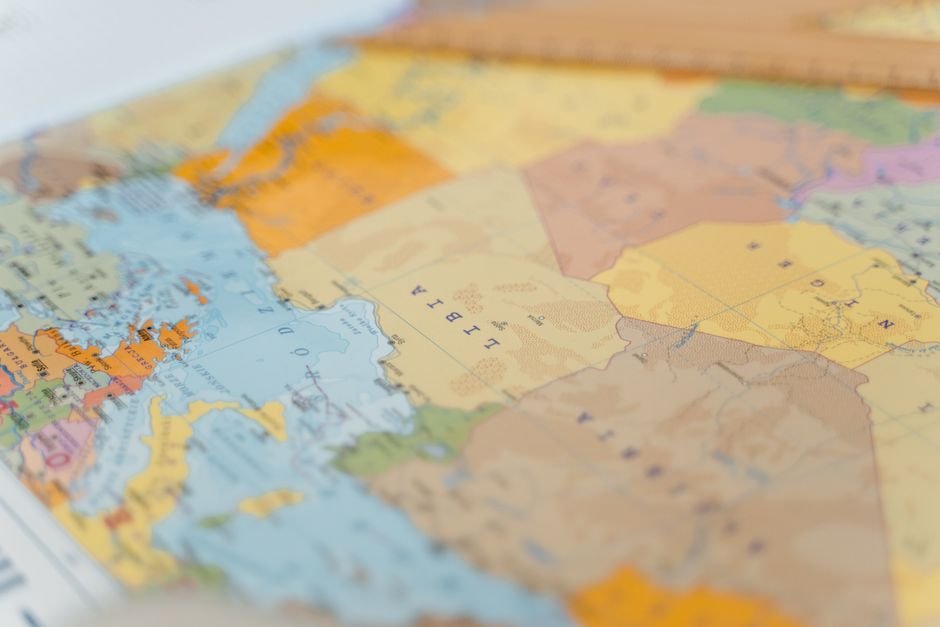
The Middle East: A Cauldron of Tensions
This is not just a diplomatic squabble; it’s a complex web of historical grievances, ideological divides, and power plays that date back decades. The Middle East has always been a volatile theater, with Iran often seen as a rogue actor by its neighbors. The U.S. has attempted various strategies over the years, from outright military intervention to sanctions and negotiations, but nothing has yielded lasting peace. The emergence of this new deal could either be a step toward stability or the catalyst for further chaos, depending on how players like Israel and Saudi Arabia respond.
What makes this situation particularly sticky is the timing. With the geopolitical landscape shifting and the U.S. looking for avenues to ease its commitments abroad, Iran’s ongoing nuclear advancements can’t be ignored. If the U.S. moves forward with a deal, it will likely embolden Iran and its regional proxies, which could lead to increased tensions not just within the Middle East but globally.

The Stakes of the Emerging Iran Deal
Who benefits from this emerging Iran deal? On one hand, it seems that the U.S. might score some much-needed diplomatic points, possibly setting a precedent for engagement rather than confrontation. However, the immediate losers in this scenario appear to be Israel and the Sunni Arab states that have long viewed Iran as an existential threat. Their apprehensions are not unfounded—an empowered Iran with enhanced resources could destabilize the already fragile balance of power in the region.
In fact, the mainstream media is missing the forest for the trees by framing this as merely a diplomatic effort. What’s at stake here is more than just an agreement; it’s about security, power, and the very future of the Middle East. For many nations, a new Iran deal represents a high-risk gamble. If the U.S. miscalculates, we could witness an intense backlash, leading to military conflicts, intensified proxy wars, and even greater refugee crises.
As knives sharpen and rhetoric heats up, one must wonder: are we witnessing the beginning of a real diplomatic breakthrough, or is this just another chapter in the endless saga of Middle Eastern conflict? Only time will tell, but one thing is certain—the stakes have never been higher. Will this new Iran deal be the light at the end of the tunnel, or will it plunge the region into deeper darkness? Only the future will reveal the truth behind this precarious situation.
Source: Google — Middle East