
Another day, another record broken by Mother Nature’s fury. But what happens when a Super Typhoon isn’t just a weather event, but a strategic flashpoint, revealing fault lines in global security? We are witnessing a fundamental shift, and many are still looking the wrong way.
According to NASA Breaking, Super Typhoon Bavi, the third Category 5 tropical cyclone of 2026, recently carved a path of destruction through the U.S. Northern Mariana Islands and Guam. Its relentless trajectory then continued westward, aiming squarely for Asia.

The Geopolitical Tempest of a Super Typhoon
This isn’t merely a tale of high winds and torrential rain; it’s a stark reminder of escalating climate volatility impacting critical geopolitical nodes. Guam, in particular, stands as a cornerstone of American military projection in the Pacific. It hosts vital air and naval bases, representing a linchpin in regional defense strategies and power projection against rising adversaries. When a Super Typhoon of this magnitude slams into such a strategic asset, the implications ripple far beyond damaged infrastructure.
Consider the immediate aftermath: runways closed, communications disrupted, personnel diverted from readiness drills to disaster response. These aren’t minor inconveniences; they are direct hits to operational capabilities, potentially creating windows of vulnerability. The very resilience of forward operating bases, designed to project strength, becomes a subject of intense scrutiny and, perhaps, exploitation. Meanwhile, the region’s nations, particularly island states, face increasing displacement and resource strain, exacerbating existing societal tensions and creating new migration challenges that could destabilize borders.

The larger narrative here is how climate events are increasingly intersecting with national security doctrines. The Pacific theater is already a hotspot for geopolitical competition, with China steadily expanding its influence. Therefore, any event that tests U.S. response capabilities or diverts resources from strategic priorities is not just a natural disaster; it becomes a strategic variable that rivals undoubtedly scrutinize and, perhaps, seek to leverage.
When Climate Hits the Battlefield
The mainstream media will focus on the immediate humanitarian crisis, the cost of rebuilding, and the heroic rescue efforts. All valid, of course. However, the real story, the one unfolding beneath the headlines, is the insidious erosion of strategic advantage and the shifting calculus of power. A Super Typhoon like Bavi doesn’t just damage buildings; it stresses supply chains, tests the limits of disaster preparedness, and reveals the vulnerability of even the most fortified positions. This is not a theoretical exercise for war games; it’s a real-world stress test for military readiness and regional stability.
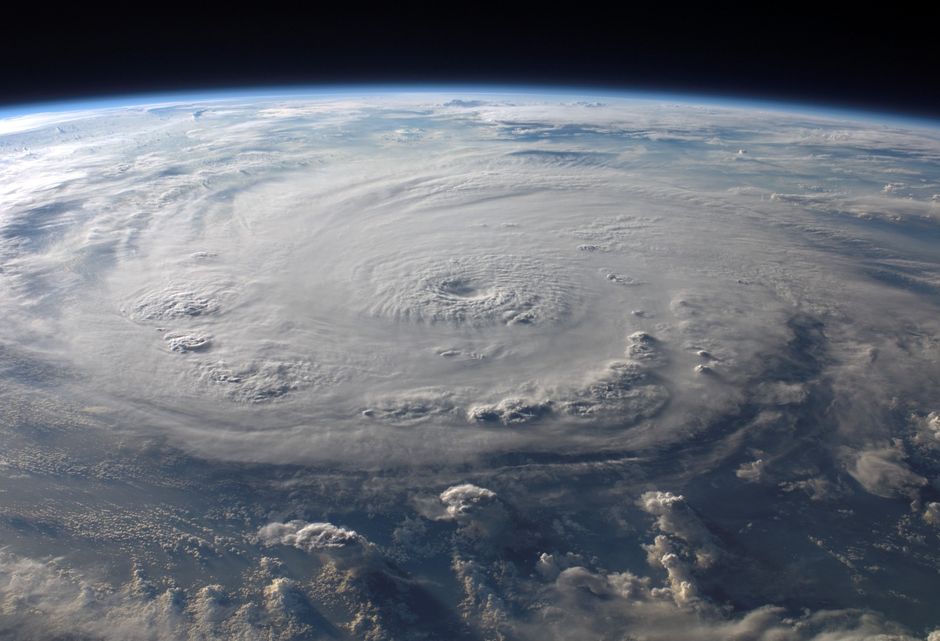
Who benefits when a major power’s forward operating bases are temporarily hobbled, even by nature? Adversaries gain intelligence on response times, resource allocation, and the overall resilience of critical infrastructure. They learn where the weaknesses lie, where the focus shifts. This isn’t about blaming the storm; it’s about acknowledging that in an era of heightened global competition, every disruption has strategic implications. Furthermore, the massive financial investment required to rebuild and fortify against future storms will inevitably compete with other defense spending priorities, creating a subtle but significant drain on budgets. This diverts funds from next-generation weaponry or vital diplomatic initiatives.
On the other hand, some might argue that rapid, effective disaster response by the U.S. military showcases its versatility and capacity for humanitarian aid, thereby bolstering soft power. While true to a degree, the sheer scale and increasing frequency of these events threaten to overwhelm even the most capable forces. The long-term costs, both financial and strategic, are only just beginning to be tallied, moving beyond simple disaster relief into the realm of ongoing, climate-induced national security challenges. We are not just fighting the weather; we are fighting its consequences on the global chessboard.
So, as the world focuses on the immediate damage from Super Typhoon Bavi, the discerning observer understands that the real storm is only just beginning to brew – one where climate change isn’t just an environmental issue, but a profound and destabilizing force in global power dynamics. We must start seeing these events not as isolated incidents, but as integral components of a rapidly evolving security landscape.
Source: NASA Breaking