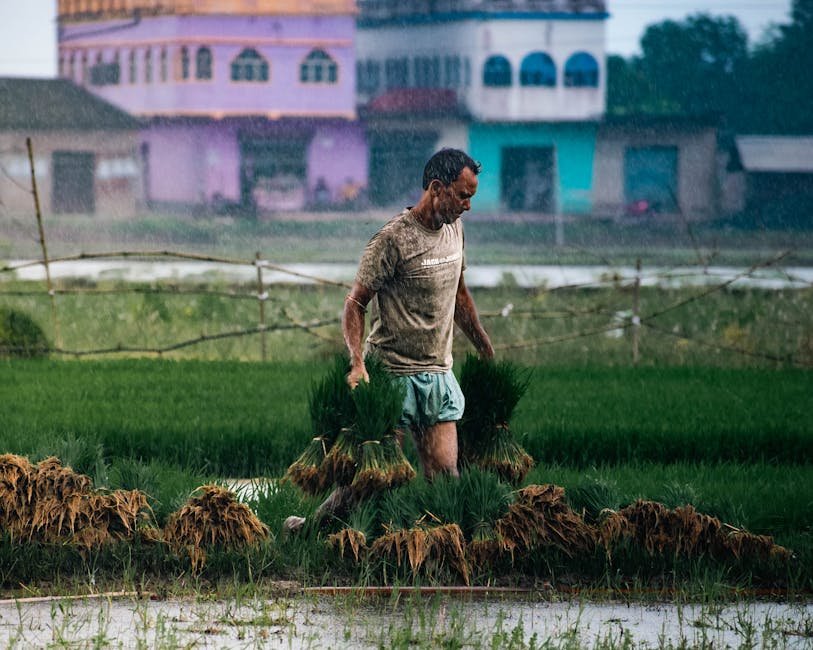
The monsoon rains are crucial for South Asia, yet India is predicting an 11-year low in rainfall for 2026. How did we get to a point where impending drought could fuel inflation and wreak havoc on millions of lives? It’s a concerning scenario for a region that heavily relies on these rains for agriculture and overall economic stability.
According to Reuters, India’s meteorological department is forecasting a significant drop in monsoon rains, marking the lowest levels in over a decade. This prediction is stirring fears about inflation and food security in a country already grappling with economic challenges.
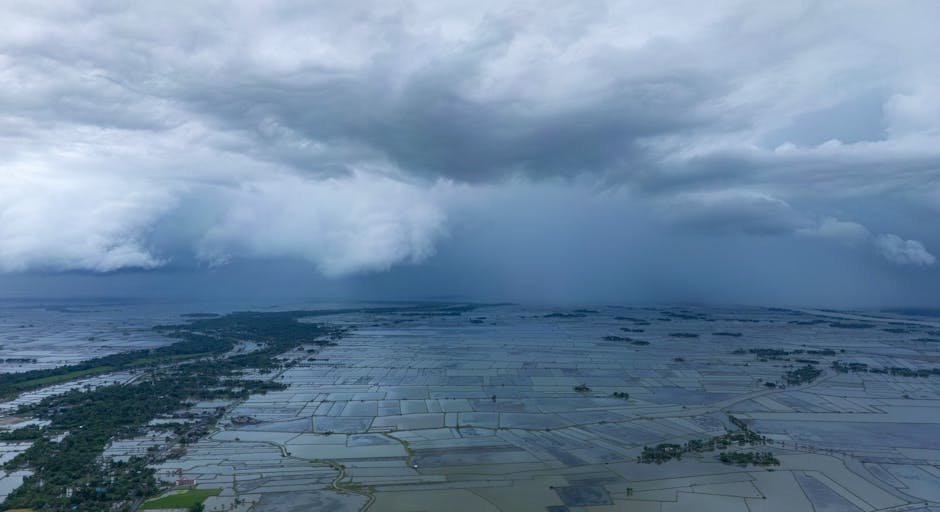
The Stakes for South Asia
The stakes are incredibly high in South Asia, where agriculture employs nearly half of the population. Monsoon rains are the lifeblood of this agrarian economy, and any fluctuations can dramatically affect crop yields, food prices, and rural incomes. The forecasted decline in rainfall in 2026 isn’t just a dry spell; it threatens to destabilize an already precarious situation. Rising inflation, driven by food shortages, could exacerbate poverty levels and ignite social unrest.
The backdrop to this looming crisis is a series of erratic weather patterns attributed to climate change. With the region hitting record temperatures and experiencing unseasonable weather events, the reliability of the monsoon is becoming increasingly questionable. This forecast comes at a time when the South Asian economy is still recovering from the disruptions caused by the pandemic and geopolitical tensions. The players involved — from farmers in remote villages to policymakers navigating international trade — are all bracing for impact in a climate that’s rapidly changing.
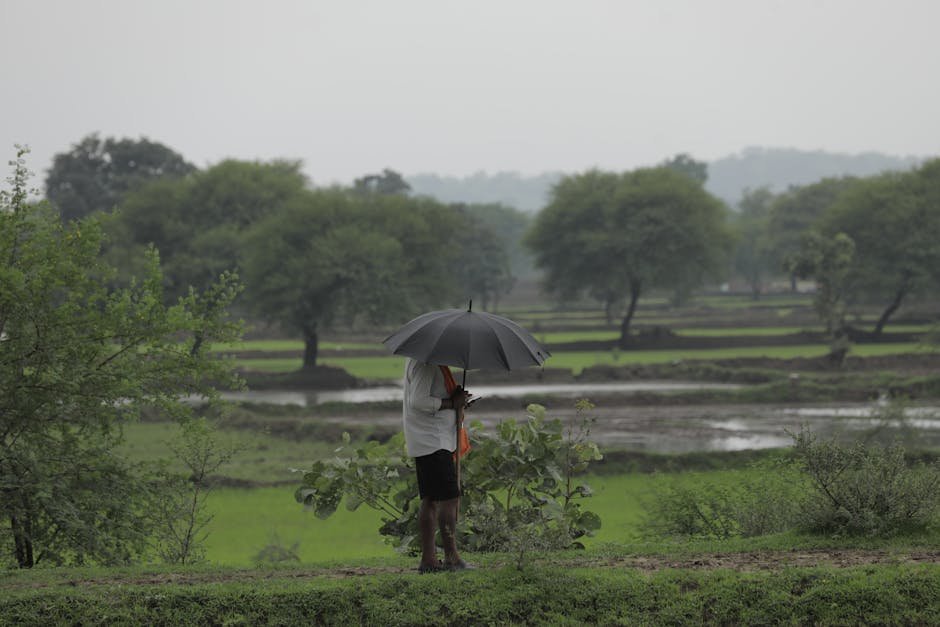
Who Benefits from South Asia’s Drought?
While most will suffer, there are always those who stand to gain during crises. Agribusinesses may benefit from higher food prices, though the ethical implications of profiting from scarcity are appalling. Meanwhile, governments might use inflated prices to justify cuts in subsidies, further exacerbating the plight of the common citizen. The mainstream narrative often misses the human cost of these predictions, opting instead to focus on macroeconomic indicators or stock market reactions.
The real losers will be the farmers, many of whom are already living on the edge of subsistence. Without adequate rainfall, they face the grim prospect of crop failures, debt cycles, and potential displacement. The government’s response will be pivotal; a failure to act decisively could lead to food shortages that spiral into social unrest.
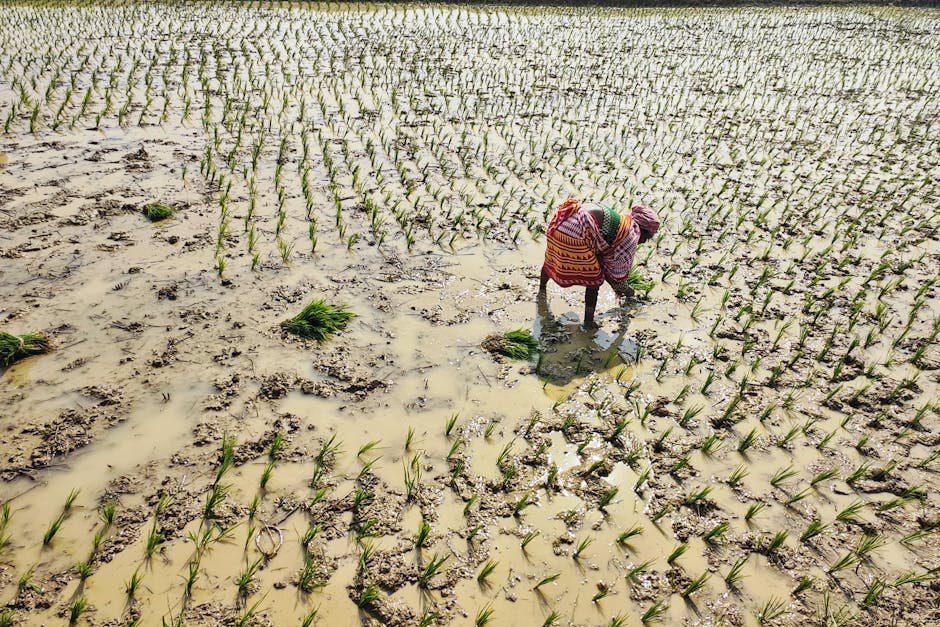
This forecast isn’t merely another statistic; it’s a bell tolling for a civilization that cannot afford to ignore the growing threat of climate change. As South Asia braces for this impending crisis, the questions loom larger: Will we adapt? Can we prevent the worst? Or will we watch helplessly as a vital resource slips through our fingers, leaving millions to grapple with the consequences?
As the clouds gather over South Asia, the outlook is anything but bright. Let’s hope the rains have a few surprises left for 2026.
Source: Google — South Asia