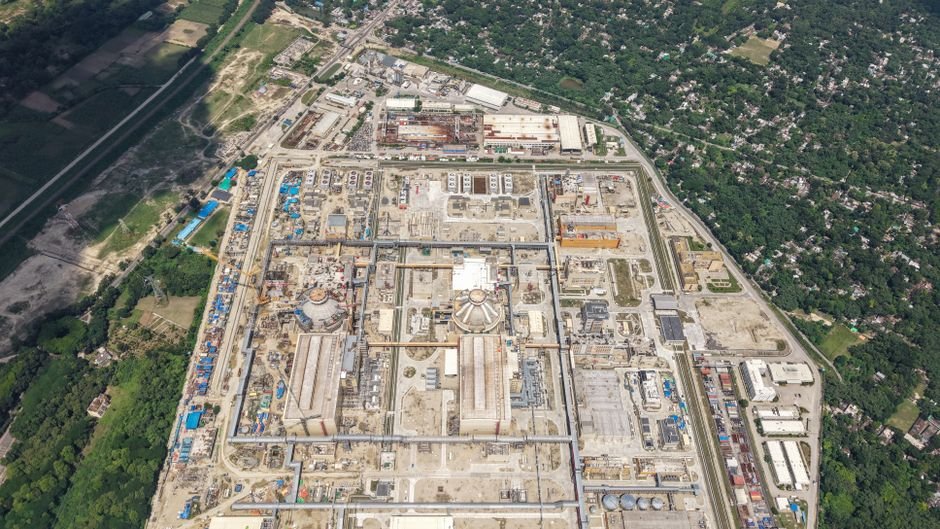
The escalating arms race in South Asia is a dangerous game of brinkmanship that could end in catastrophe. As tensions rise between India and Pakistan, one must ask: how long before the next conflict erupts? According to The Christian Science Monitor, both nations are ramping up their military capabilities, leading to growing concerns about the potential for more frequent clashes.
The South Asia Arms Race: A Recipe for Conflict
This troubling trend is fueled by a combination of national pride, historical grievances, and geopolitical maneuvering. India, feeling assertive under its current leadership, is aggressively modernizing its military, while Pakistan, feeling cornered, is responding in kind. The stakes are higher than ever, with the shadow of nuclear weapons casting a long and terrifying pall over the region. This isn’t just an arms race; it’s a race against time, with every test of a missile or artillery piece heightening the risk of miscalculation.
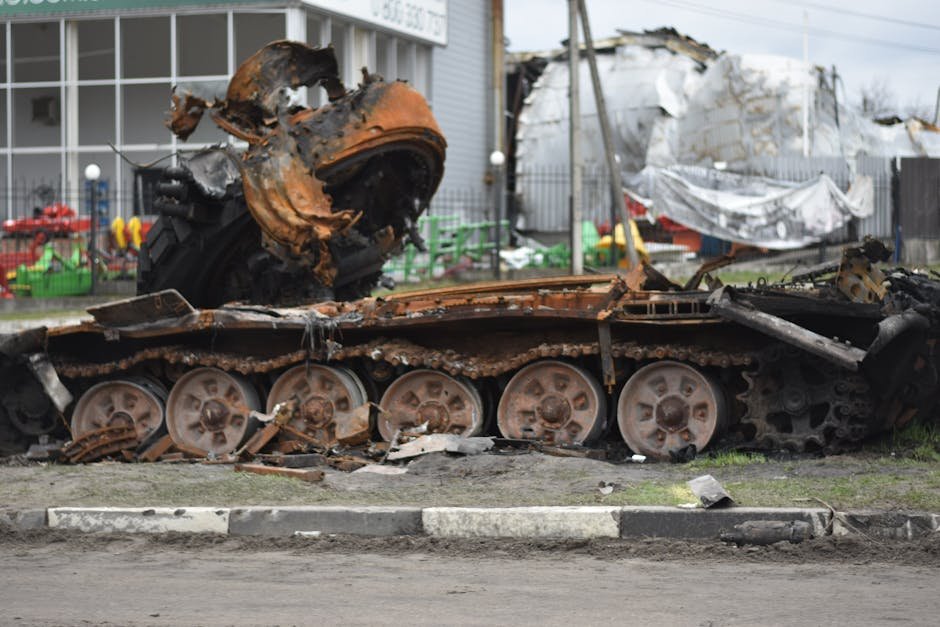
The context is critical. Decades of conflict have left both nations with deep-seated animosities, and, amidst this backdrop, any misstep could spiral out of control. The military posturing is no longer just about territorial disputes or national pride; it’s a matter of survival. The recent rise of nationalist rhetoric in both countries only serves to fan the flames of this dangerous rivalry.
Who Gains from the Escalation in South Asia?
The question that looms large is: who stands to benefit from this dangerous escalation? The obvious winners are the defense industries in both countries, which are likely enjoying a booming business at the expense of public welfare. However, the real losers are the citizens, who bear the brunt of this military buildup. Basic needs like healthcare and education suffer as resources are diverted to arms procurement.

Moreover, the international community seems either unwilling or unable to intervene meaningfully. The United States, preoccupied with its own issues, has little bandwidth to mediate. Meanwhile, China’s increasing support for Pakistan complicates the dynamics even further, creating a volatile triangle that could lead to a regional crisis. What’s lost in the mainstream conversation is the sheer human cost of this arms race — families caught in the crossfire, lives disrupted by the threat of war, and entire generations raised in a culture of fear.
As tensions mount in South Asia, we must remain vigilant. The world cannot afford to ignore the implications of these conflicts, as the potential for a catastrophic mistake grows with every new missile test or military drill.
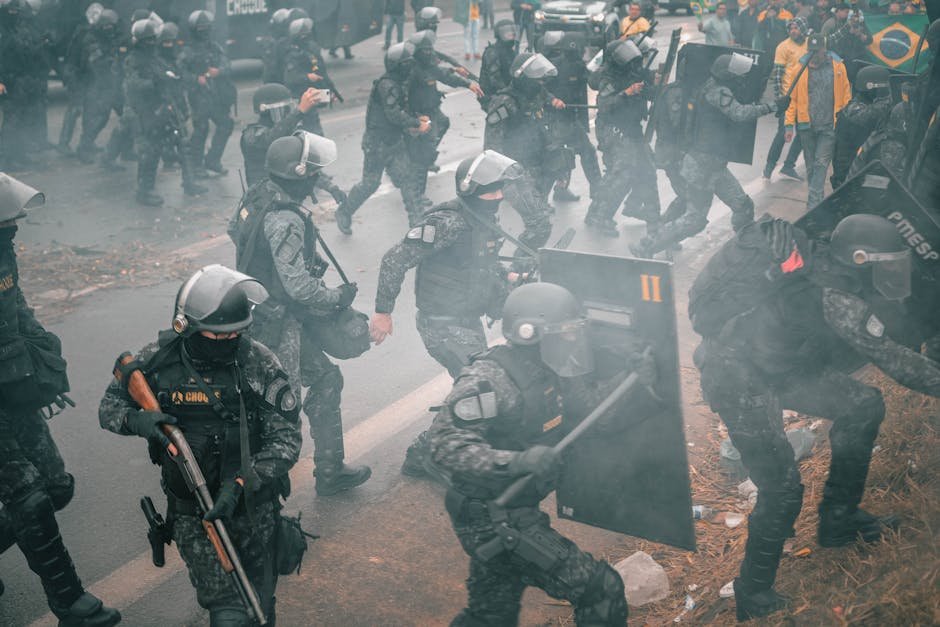
The imminent future may well hinge on whether leaders in both nations can step back from the cliff’s edge. Will they rise to the challenge of diplomacy, or will pride and fear dictate their actions? As the situation unfolds, one thing is clear: the clock is ticking, and each tick brings us closer to a confrontation we may not be able to contain. Can we afford to gamble with the fate of millions in South Asia, or will reason prevail?
Source: Google — South Asia