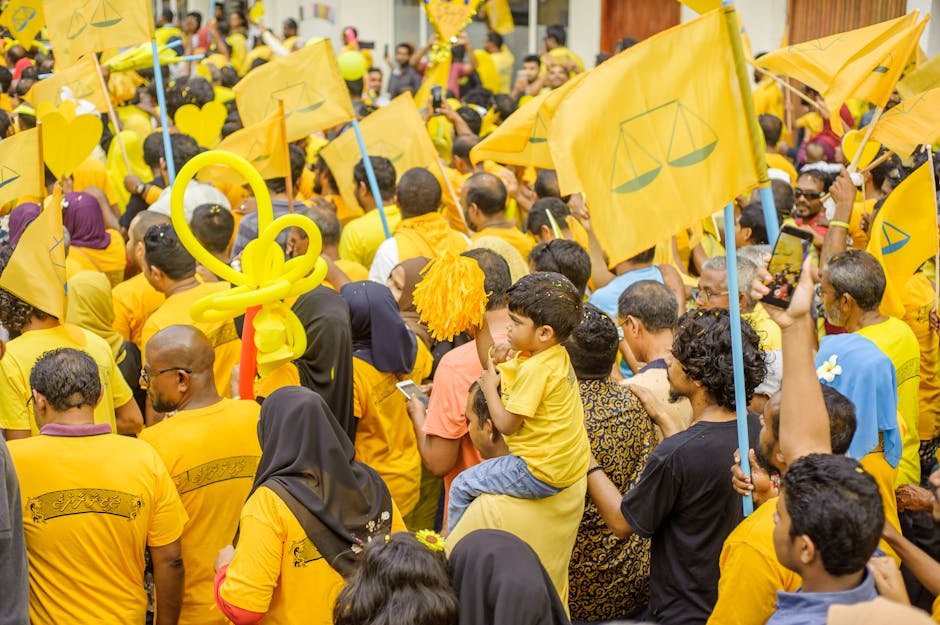
In the vast tapestry of South Asia, where the political landscape is often a patchwork of family ties and dynastic legacies, one truth stands out: the “republic of uncles” is not just a catchy phrase but a harsh reality. As the region grapples with complex governance issues, the prevalence of nepotism and the overwhelming influence of entrenched familial networks raise uncomfortable questions about meritocracy and democratic integrity.
According to The Economist, India’s political fabric is woven with the threads of familial allegiance, where uncles and cousins often wield more power than elected officials. This phenomenon is not limited to any one party; rather, it’s an endemic issue that spans across various political spectrums, undermining the very essence of democracy in one of the world’s largest democracies.
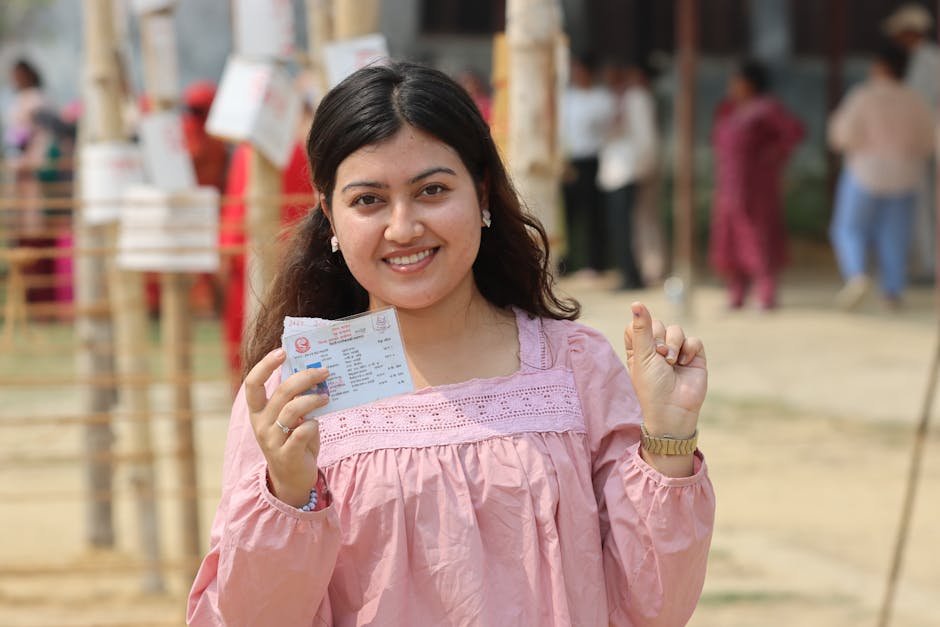
The Nepotism Nexus in South Asia
Why should we care about a “republic of uncles”? In South Asia, where political dynasties dominate, the implications are staggering. The region’s political machinery runs not only on votes but also on bloodlines. Families like the Gandhis in India or the Bhuttos in Pakistan exemplify how political power is often inherited rather than earned. This raises a critical question: can any real reform take place while the old guard continues to dominate, often placing loyalty over capability?
This prevalence of nepotism is exacerbated by weak institutions that fail to challenge these power structures. It results in a political culture that prioritizes personal relationships over public accountability, and the consequences are dire. Policies are crafted to benefit a select few, while the majority remain marginalized. Meanwhile, any hope for political renewal is stifled as fresh talent is systematically sidelined.
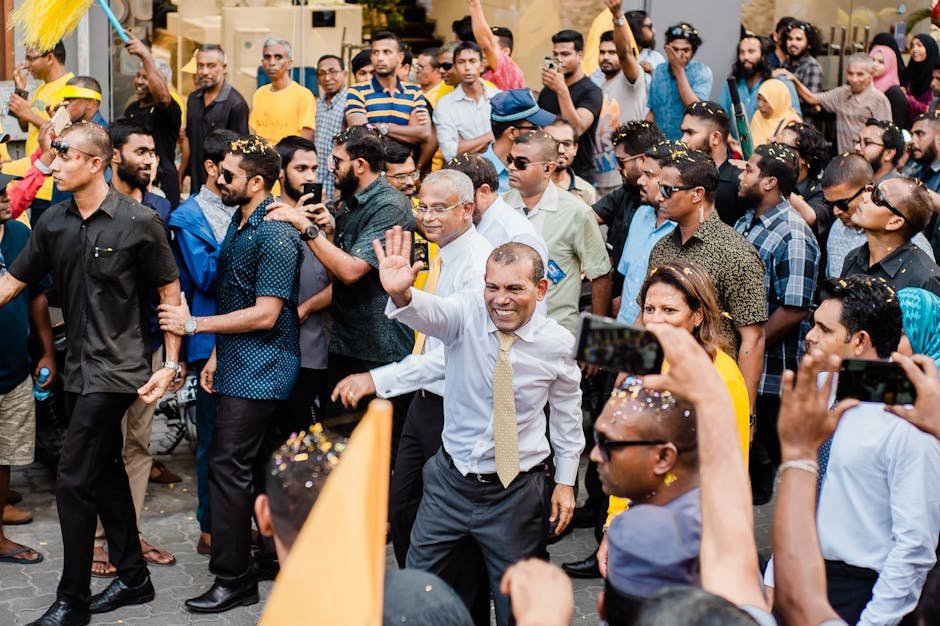
The Stakes of Political Patronage
The stakes are high for South Asia. As global powers watch closely, democratic backsliding in the name of familial loyalty could spell disaster. Countries like India and Pakistan face mounting challenges from within—economic instability, rising extremism, and a disillusioned youth eager for change. Yet, the same families that have held power for generations remain in control, pushing the narrative of stability while ignoring the urgent need for genuine reform.
What’s often overlooked in mainstream discussions is how this “republic of uncles” fuels corruption. When political positions are seen as family heirlooms, accountability suffers. Scandals are swept under the rug, and governance is reduced to a circus of familial loyalty rather than a serious endeavor focused on public service. The result? A populace growing fatigued with promises that never materialize, paving the way for social unrest.
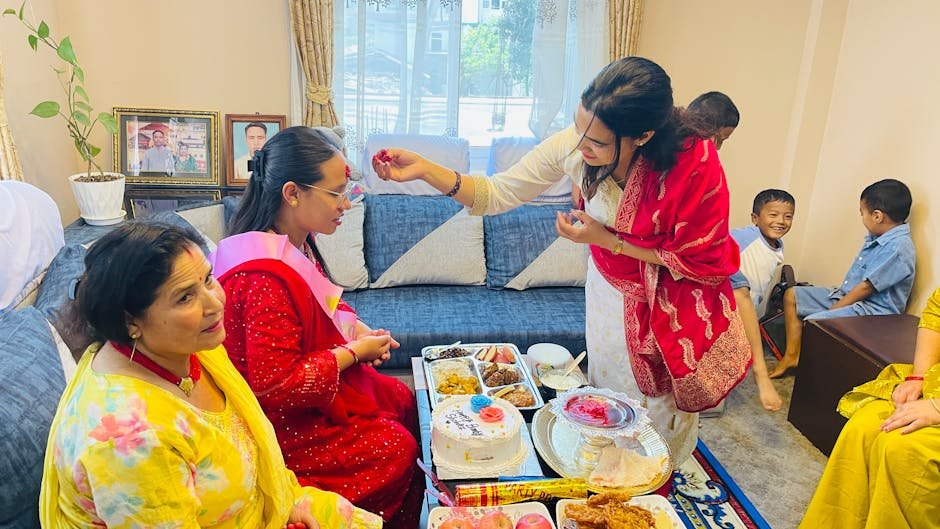
As this pathetic cycle continues, it’s crucial to ask whether the younger generation will rise to challenge the status quo or will they simply accept the familial chains that bind them? The future of South Asia hangs in this balance.
Political dynasties may offer a façade of stability, but at what cost? The truth is that as long as uncles hold sway over the corridors of power, the potential for genuine progress remains stifled. It’s time for the people of South Asia to reclaim their voices and demand a system that prioritizes competence over kinship. The future of democracy in the region depends on it.
In a world that increasingly values transparency and accountability, South Asia finds itself at a crossroads. Will the next generation choose to break free from the shackles of nepotism, or will they perpetuate the cycle of the “republic of uncles”? The answer to this question will determine not just the fate of political institutions but the very fabric of society itself.
Source: Google — South Asia