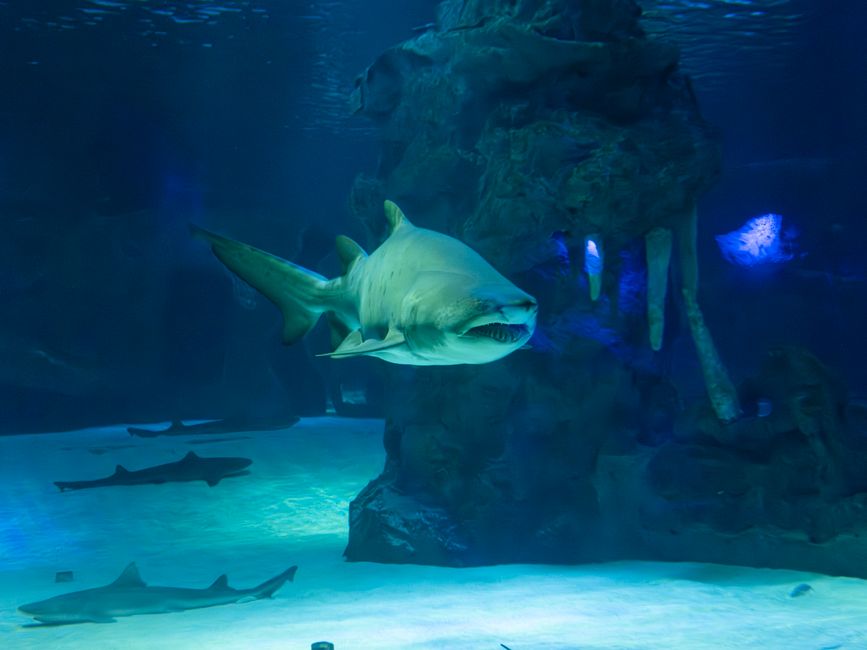
The ocean can be a brutal teacher, and a lone **shark** reminded us of that yesterday when a woman drowned in its jaws during a sunrise swim off South Africa’s coast. The tragedy feels distant, yet it ripples through every beach‑loving nation that markets its shoreline as a safe sanctuary for tourists and locals alike.
According to People.com, the victim was an experienced swimmer who set out before dawn from the popular resort town of Jeffreys Bay. Within minutes, a great white shark seized her, leaving onlookers stunned and emergency crews scrambling. The incident was confirmed by local authorities, who closed the beach for hours while investigators documented the scene.
Why the shark incident matters for coastal tourism
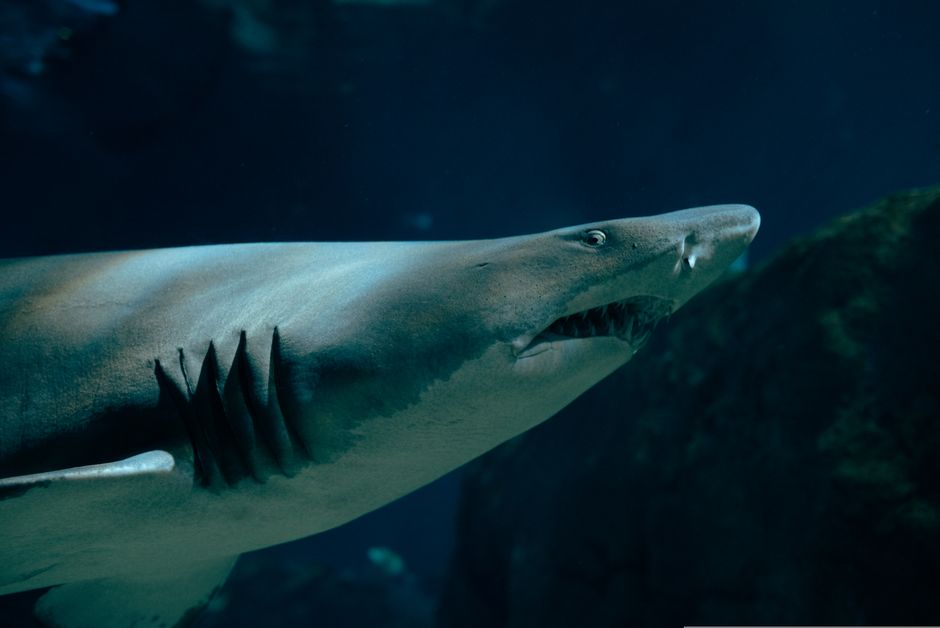
South Africa’s coastline has become a magnet for adventure seekers, especially those chasing the thrill of surf and the allure of pristine waters. In the wake of this attack, travel agents across the Middle East and South Asia are already reassessing itineraries that feature the “Big Five” of marine encounters. A single **shark** sighting can eclipse months of marketing, prompting cancellations that echo through hotels, dive shops, and airline bookings.
The timing could not be worse. The region’s summer season is in full swing, and affluent travelers from Dubai, Riyadh, and Mumbai are pouring into African resorts, expecting sun‑kissed relaxation, not a deadly encounter. As a result, the economic stakes climb quickly; a single headline can turn a bustling beach into a ghost town overnight. Moreover, the incident fuels a growing narrative that the world’s oceans are becoming more hostile—a story that feeds into climate‑change anxieties and the perception that human activity is pushing predators toward shorelines.
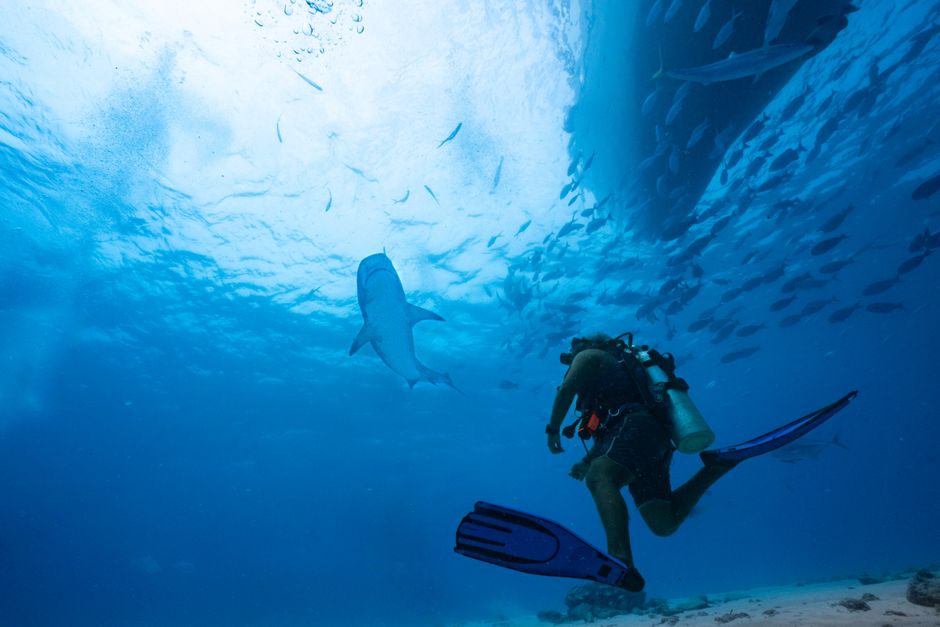
Yet the response from South African officials has been swift but measured. They deployed additional patrol boats, issued temporary swim bans, and promised a review of existing shark‑mitigation measures, such as drum lines and aerial surveillance. While these steps aim to reassure tourists, critics argue that they amount to band‑aid solutions that ignore deeper ecological imbalances. In fact, marine biologists warn that over‑fishing and rising sea temperatures are altering shark migration patterns, pushing them into previously safe waters. If those trends continue, the “shark” threat could become a regular headline rather than an isolated tragedy.
The broader ripple: safety, perception, and policy
Beyond the immediate loss of life, the incident spotlights a clash between economic ambition and public safety. Governments in the Gulf and South Asia already grapple with similar dilemmas: how to protect beachgoers while preserving the very marine ecosystems that attract visitors. The South African case forces policymakers to ask whether reactive bans are enough, or if a more proactive, science‑driven approach is required.
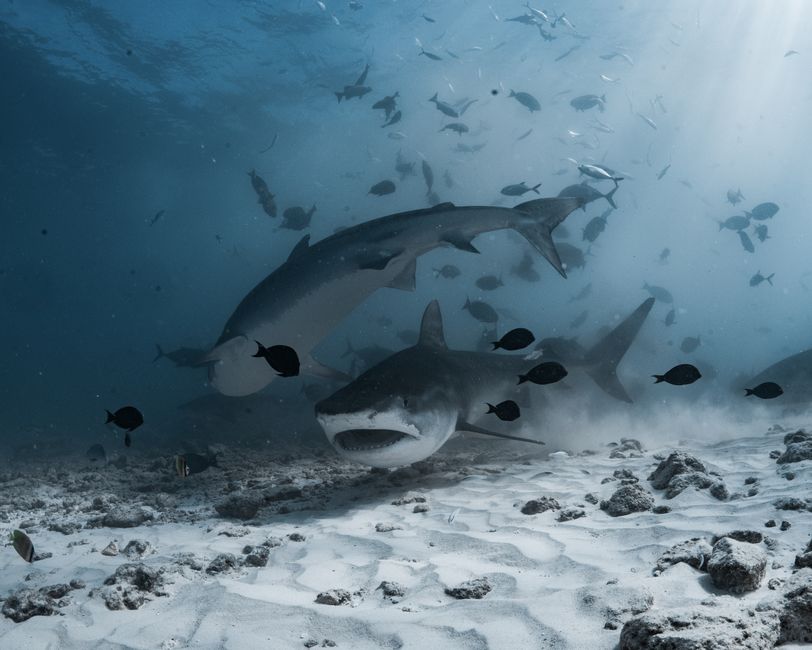
On one hand, the tourism industry argues that stringent safety protocols—like real‑time shark detection apps and mandatory lifeguard presence—can restore confidence. On the other, environmental groups caution that excessive deterrents, such as shark nets, often cause collateral damage, trapping turtles, dolphins, and even harmless shark species. The debate is not merely academic; it shapes legislation that will dictate how coastal economies evolve over the next decade.
In the meantime, the media narrative is already shifting. Social platforms are buzzing with footage of the attack, accompanied by calls for “shark‑free” beaches. Such sensationalism can pressure local authorities into hasty decisions that prioritize optics over effectiveness. Meanwhile, seasoned divers and marine tourists point out that the odds of a fatal encounter remain minuscule compared to other beach hazards like rip currents or sunstroke. Ignoring this perspective risks inflating fear and eroding a rational dialogue about risk management.
The lesson for the Middle East and South Asian markets is clear: a single **shark** incident can upend an entire tourism ecosystem if not handled with nuance and foresight. Stakeholders must balance the allure of exotic coastlines with transparent safety measures, while respecting the marine life that makes those waters unique. Failure to do so will leave destinations vulnerable to the next headline‑driven panic, eroding both profit and public trust.
As the sun set over the South African shoreline, the ocean reclaimed its silence, but the echo of this tragedy will reverberate far beyond its borders. If governments and industry leaders choose complacency over comprehensive planning, we may find more beaches closed, more travelers wary, and a growing belief that the sea itself has turned hostile. The real question is not whether another **shark** will strike, but whether we will learn to coexist with the predators that have always inhabited these waters.
Source: Google — Middle East incidents