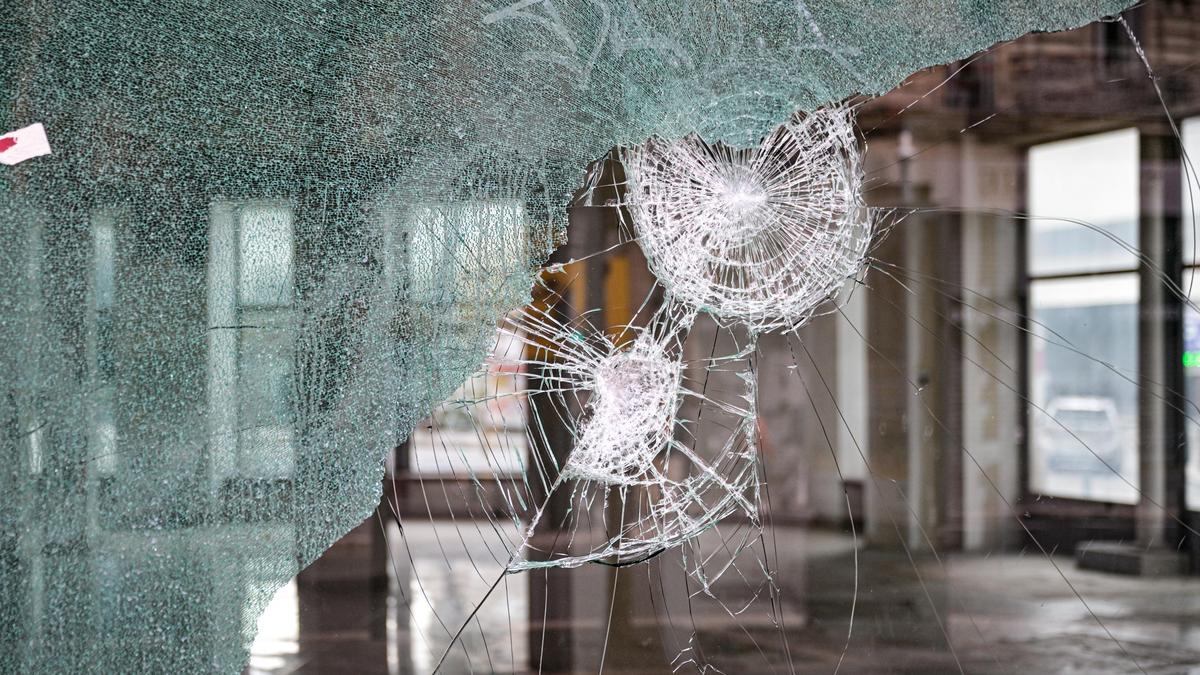
Barcelona’s night in Paris will not be cancelled, even as the city trembles under a wave of violent unrest. The French interior minister’s reluctant reassurance that the Champions League tie will go ahead does little to mask the fact that a football match is now a flashpoint for a nation on edge.
According to The Hindu, Interior Minister Laurent Nuñez confirmed that officials debated scrapping large‑scale events, including football, but ultimately ruled out pulling the PSG‑Barcelona game scheduled for tomorrow. The decision was announced amid street clashes, arson and a growing sense of lawlessness that has left many Europeans wondering whether sport can truly be insulated from politics.
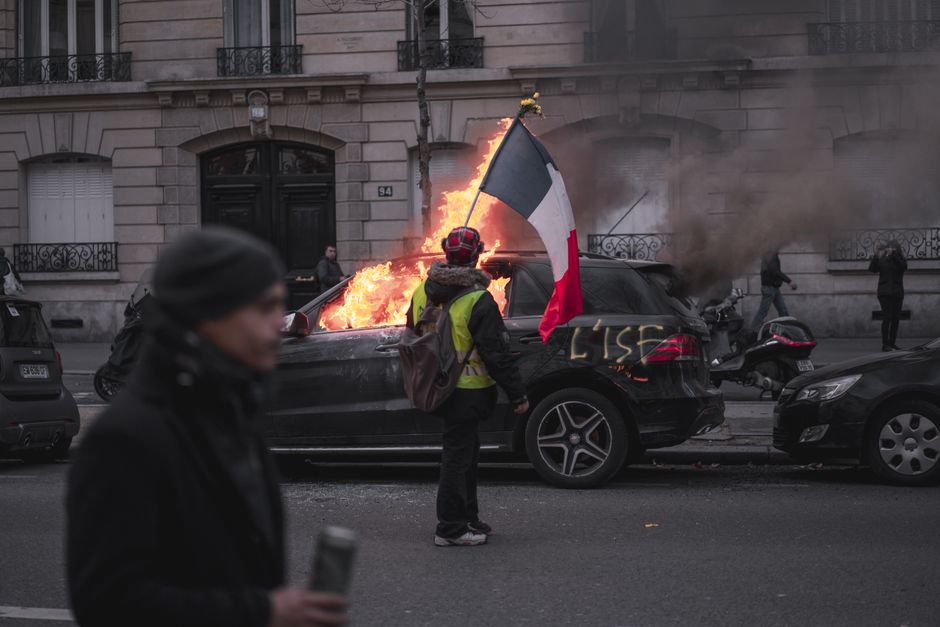
Barcelona match amid France’s violent unrest
The clash between Paris Saint‑Germain and Barcelona arrives at a moment when France’s internal security apparatus is stretched thin. Protesters have set fire to cars, smashed shop windows and blocked major thoroughfares across several cities, prompting the government to deploy additional police units and declare a state of heightened alert. In this volatile climate, the match is more than a sporting contest; it is a test of the state’s capacity to maintain order while preserving the spectacle that fuels its soft‑power economy.
The stakes are unmistakable. For PSG, a win against Barcelona would cement their claim as Europe’s new heavyweight, while the Catalan giants seek to reaffirm their continental pedigree after a turbulent domestic season. Meanwhile, the French authorities gamble that a well‑run stadium can act as a controlled enclave, a bubble of normalcy amid chaos. Critics argue that this is a dangerous gamble, suggesting that any incident inside the Parc des Princes could ignite broader unrest, turning a football evening into a security nightmare.
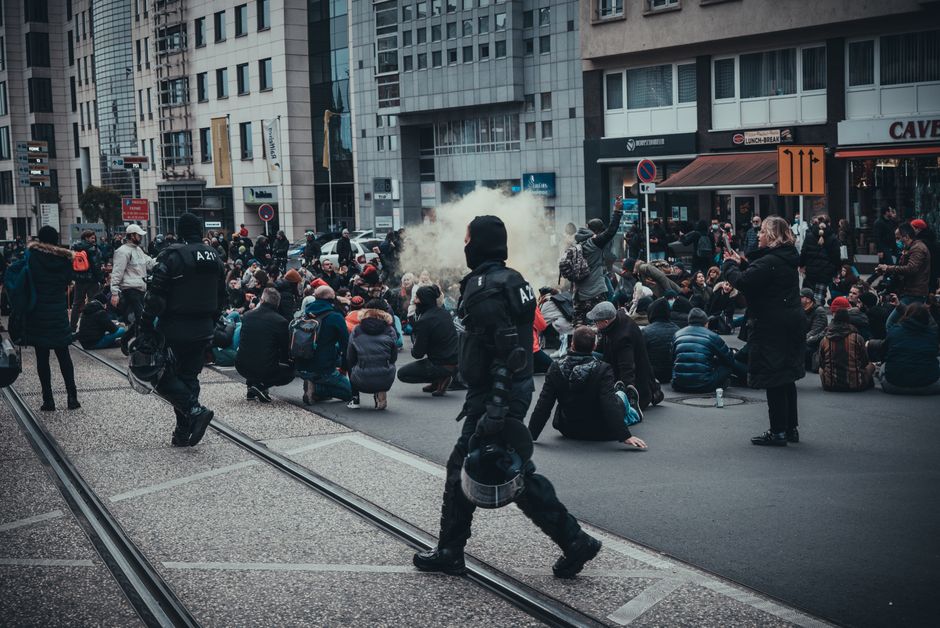
The AI‑driven undercurrents of a night‑time showdown
What most pundits overlook is the invisible layer of technology that now underpins every high‑profile fixture. French police have deployed AI‑enhanced video analytics at the stadium’s entry points, capable of flagging suspicious behavior in real time. Facial‑recognition algorithms cross‑reference crowds with law‑enforcement databases, instantly alerting officers to known agitators before they even step inside the arena. This kind of predictive policing, once the domain of experimental labs, is now a practical tool for managing mass events under duress.
Inside the stadium, broadcasters are leveraging generative AI to produce hyper‑personalised commentary feeds in multiple languages, ensuring that viewers worldwide receive a seamless narrative regardless of the turmoil outside. Meanwhile, both clubs are feeding live positional data into machine‑learning models that calculate expected goals, player fatigue and tactical adjustments on the fly. The result is a match that is as much a data‑driven experiment as it is a display of skill.
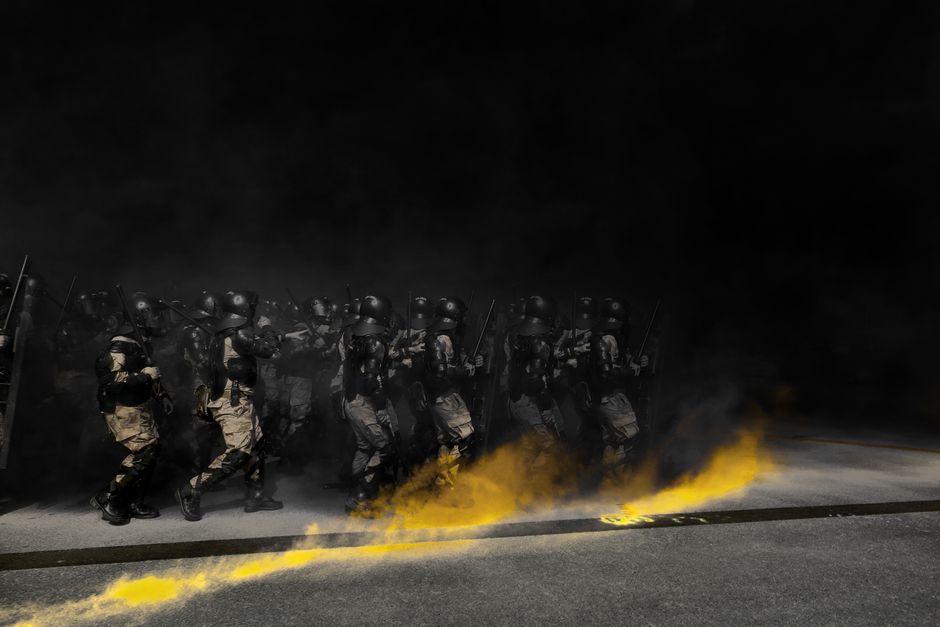
However, the reliance on AI raises profound questions about civil liberties. Civil‑rights groups have warned that the same facial‑recognition systems used to keep fans safe could be repurposed for broader surveillance, normalising a state of constant watchfulness. Moreover, the opacity of these algorithms means that false positives—misidentifying an innocent fan as a threat—could trigger unnecessary police action, potentially inflaming the very unrest the authorities aim to quell.
In the broader geopolitical context, the decision to proceed reflects a willingness by Western governments to prioritise economic and diplomatic optics over grassroots stability. The Champions League is a multi‑billion‑dollar enterprise; cancelling the Barcelona tie would have sent a costly signal to sponsors, broadcasters and the global fanbase. Yet the underlying message is that sport can be weaponised as a veneer of normalcy, a distraction from deep‑seated social fractures that AI cannot simply smooth over.
Critics may argue that the AI tools are merely force multipliers, not the root cause of any potential fallout. They contend that even the most sophisticated algorithms cannot predict a sudden flare‑up in a packed arena, where emotions run high and a single provocation can spark a cascade of violence. Nevertheless, the technology does shift the balance of power toward those who control the data streams, granting authorities unprecedented real‑time insight—and, consequently, unprecedented responsibility.
The PSG‑Barcelona encounter also serves as a live case study for AI ethics in sport. As clubs adopt machine‑learning models to optimise player performance and fan engagement, they must grapple with the paradox of enhancing the spectacle while potentially eroding the human element that makes football compelling. When a match is dissected frame by frame by algorithms, the raw, unpredictable drama that fans cherish could become a sanitized product, curated for maximum commercial return.
In the end, the night will likely be remembered not just for the goals scored but for the silent, algorithmic choreography that kept the event from descending into chaos. If the AI systems succeed, they will validate a model of high‑tech crowd control that could be exported to stadiums worldwide, cementing a new paradigm where security and spectacle are inseparably linked.
The real question remains: will the success of this technologically fortified Barcelona showdown encourage governments to lean on AI as a panacea for civil disorder, or will it expose the fragility of relying on code to police human unrest? As the floodlights blaze and the crowd roars, the answer will unfold in real time—recorded, analysed, and perhaps, in the future, predicted before it even happens.
Source: The Hindu