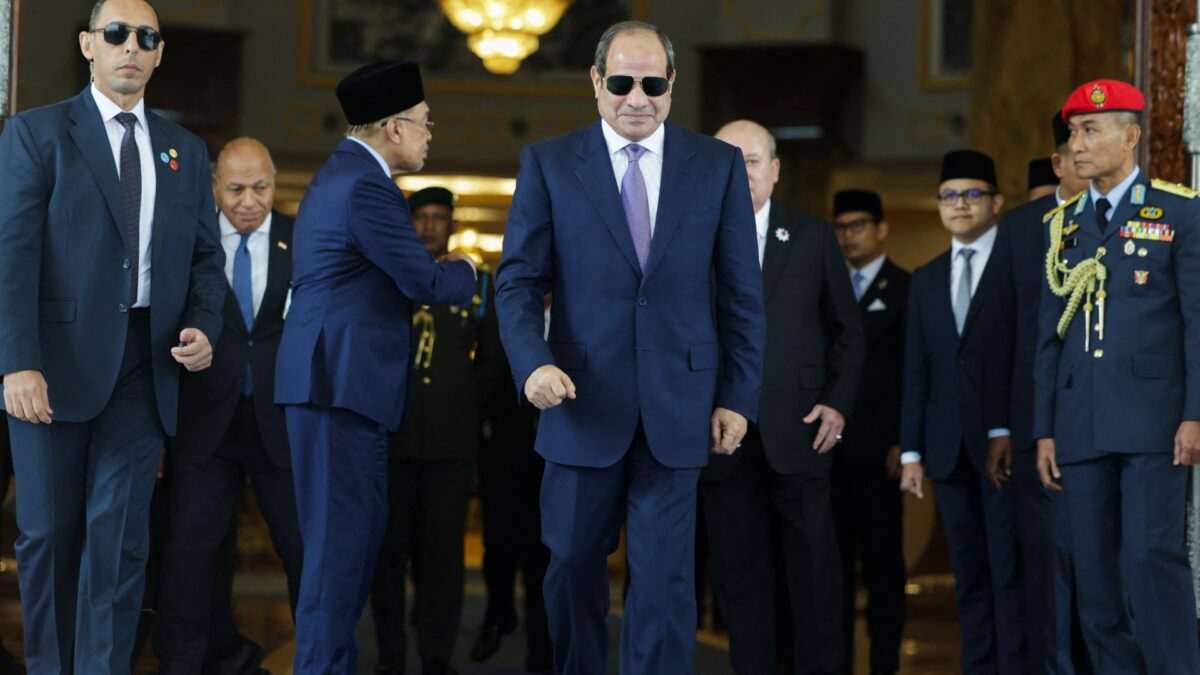
When a legislature stalls a high‑profile defence deal, the world takes note – and in Cairo the **parliament delays** have become a litmus test for Egypt’s balancing act between its own strategic autonomy and the expectations of its Gulf benefactor.
According to Al Jazeera, lawmakers in Egypt’s House of Representatives abruptly adjourned a session on Thursday, pushing back a vote that would have green‑lit a new military assistance package for Saudi Arabia. The opposition National Progressive Front urged its members to abstain, arguing that the Saudi commitment was “unclear” and that the terms of the support had not been fully disclosed.
Why the parliament delays matter for Egypt‑Saudi ties
The delay is more than a procedural hiccup; it signals a growing unease inside Egypt’s political elite about the cost of aligning too closely with Riyadh’s military ambitions. Since the 2015 security pact, Cairo has supplied Saudi forces with logistics, training and, increasingly, sophisticated weaponry. Yet the current proposal allegedly includes a suite of AI‑enabled surveillance drones and autonomous targeting systems that have never been fielded by the Egyptian armed forces.
In fact, Egypt’s defence ministry has been courting Western tech firms to develop home‑grown AI capabilities, hoping to reduce reliance on foreign arms imports. If the parliament finally approves the Saudi package, it could lock Egypt into a technology transfer chain that compromises its nascent AI sovereignty. Moreover, the timing is suspect: the vote was slated for a week after Saudi Arabia announced a new “smart‑warfare” initiative aimed at countering Iranian influence in the Red Sea.

Meanwhile, the opposition’s call for abstention reflects a broader domestic backlash against what many see as a sell‑out to Saudi oil money. Protesters in Alexandria and Aswan have taken to the streets, demanding greater transparency on how Egyptian tax dollars would be used to fund foreign conflicts. The parliament delays, therefore, expose a fault line between the executive’s foreign‑policy zeal and a parliament that is increasingly wary of being a mere rubber stamp.
The hidden stakes behind the postponed vote
If the vote eventually passes, the winners are clear: Saudi Arabia secures a reliable supply of advanced weaponry, bolstering its regional deterrence, while Egypt pockets billions in hard cash and potentially gains access to cutting‑edge AI platforms. However, the losers are less obvious but equally consequential. Egypt’s fledgling defence tech sector could become a subcontractor rather than a partner, stifling the development of indigenous AI solutions that the country has been courting.
Furthermore, the delay gives rival powers – notably Iran and Turkey – an opening to deepen their own military ties with Cairo, leveraging the uncertainty to pitch alternative technologies that are less politically entangled. The longer the parliament drags its feet, the more likely Egypt will find itself courted by multiple sides, each promising a different brand of tech‑driven warfare.
On the diplomatic front, the postponement risks souring relations with Riyadh. Saudi officials have already hinted that the aid package is contingent on a swift parliamentary endorsement. A protracted stalemate could be read as a diplomatic snub, prompting Riyadh to reassess its strategic calculus and possibly look elsewhere for reliable partners.
Critics argue that the opposition’s abstention strategy is merely a political stunt, designed to score points ahead of the upcoming presidential election. While that may be partially true, the fact that the parliament delays have sparked a national debate about AI ethics, export controls and the moral cost of selling autonomous weapons cannot be dismissed as mere posturing.
In the end, the **parliament delays** serve as a barometer of Egypt’s internal struggle: whether it will continue to ride the wave of Gulf cash at the expense of its own technological independence, or whether it will assert a more cautious, perhaps even skeptical, stance toward the AI‑enabled future of warfare.
If the session reconvenes next month and the vote finally goes through, expect a rapid influx of money and hardware that will reshape Egypt’s defence industry. If the deadlock persists, Cairo may be forced to negotiate a new deal that puts stricter limits on AI technology transfers, potentially redefining its role in the Middle East’s evolving security architecture.
Only time will tell whether the **parliament delays** become a footnote in a larger story of geopolitical patronage, or a turning point that forces Egypt to rethink how it blends national security with the promise—and peril—of artificial intelligence.
Source: Al Jazeera