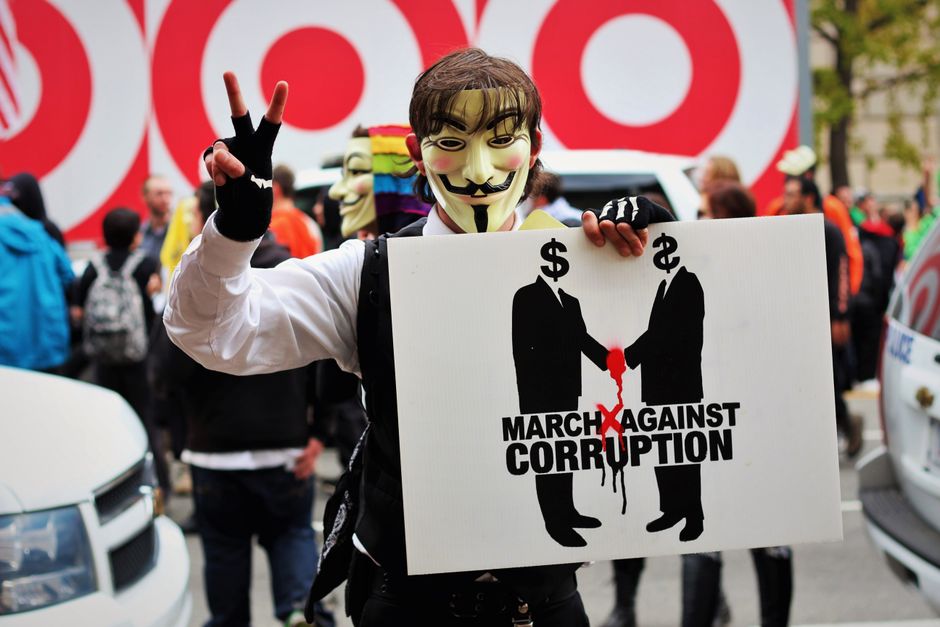
Why the death of a prominent senator elicits such sharply divided public reactions speaks volumes about the current state of American political discourse, especially when an outlet publishes a piece celebrating it.
A recent commentary published by NaturalNews.com on July 13, 2026, has ignited a firestorm, offering a starkly unconventional perspective on the passing of Senator Lindsey Graham. Titled ‘Why the Death of Lindsey Graham Is Celebrated by So Many … and What It Says About Our Corrupt System,’ the piece eschews the usual elegiac tone for a pointed, even gleeful, refusal to mourn.
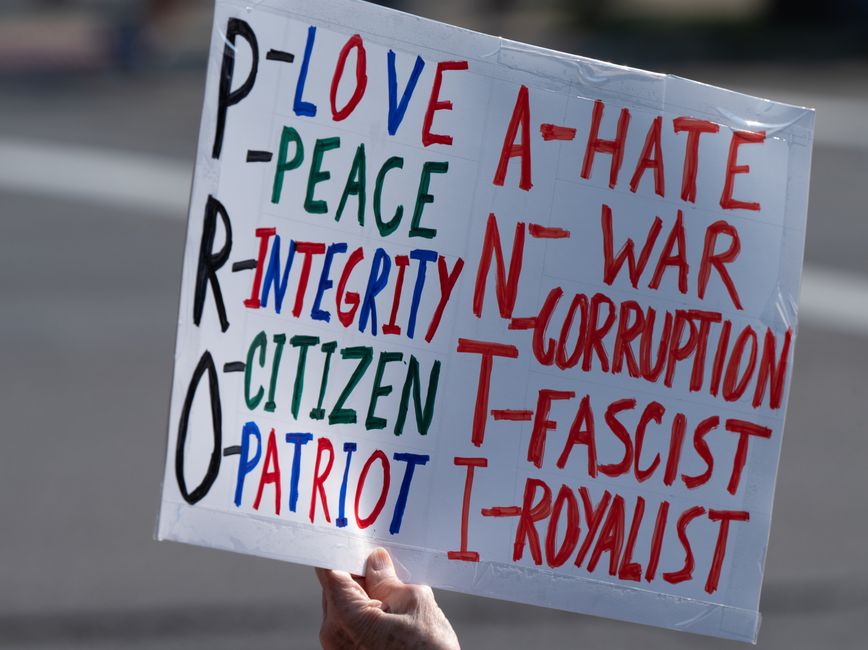
The article positions itself as a voice for “millions of Americans” who, it claims, find themselves at odds with the “Washington elites and corporate media” for their “platitudes” regarding Graham. It argues that the senator’s death is not a cause for grief but rather a moment to reflect on a “corrupt system” he allegedly embodied. This isn’t an interview, but an aggressive on-record declaration, demanding analysis for what it reveals about the fringes—and perhaps the widening chasm—of public opinion.
What landed
The piece’s most striking feature is its unflinching candor, or perhaps, its brutality, in the face of death. NaturalNews.com’s stated refusal to “pretend grief” cuts through the expected decorum that typically accompanies the passing of a long-serving public figure. In a media landscape often criticized for its politeness even amid stark political divisions, this raw, unapologetic sentiment likely resonates with its target audience as refreshingly honest, for better or worse.

Furthermore, the commentary successfully articulates a deep-seated frustration felt by a segment of the populace towards the political establishment. By framing Graham’s death as a symptom of a “corrupt system” rather than an individual tragedy, it taps into broader anti-establishment narratives. This isn’t merely about Senator Graham; it’s about a perceived betrayal by the political class, and the article gives a loud, clear voice to that specific brand of populist anger.
The piece also delivers an overt and direct challenge to the “champion of freedom” narrative often applied to long-serving politicians. It forces readers to confront the idea that not all public servants are viewed through the same laudatory lens, even in death. This provocative stance ensures the article won’t be easily dismissed, demanding a reaction even from those who vehemently disagree with its premise.

What doesn’t add up
The article’s central claim, that “millions of Americans” are celebrating Graham’s death, is offered without any supporting evidence. While strong public sentiment, both positive and negative, often surrounds political figures, attributing such widespread, uniform emotion without any polling data, anecdotal evidence, or demographic breakdown is a significant leap. It serves more as a rhetorical device to bolster the piece’s authority than as a verifiable statement of fact, a common tactic for pieces aiming for viral outrage.
NaturalNews.com also critiques “Washington elites and corporate media” for “stretching for platitudes” in their response to the senator’s passing. Yet, the practice of offering respectful, if sometimes generic, tributes upon the death of a public figure is a long-standing societal custom, not unique to Senator Graham or American politics. Framing this as a specific failing or hypocrisy in Graham’s case, without acknowledging the broader context of customary decorum, feels disingenuous and selectively critical, designed to fit a pre-existing narrative.
While the article condemns Graham as emblematic of a “corrupt system,” it largely refrains from detailing specific policies, votes, or actions that would substantiate this severe indictment. The critique remains at a high level of abstraction, focusing on perceived systemic failures rather than concrete examples of the senator’s alleged malfeasance. This lack of specific argumentation makes it harder for a critical reader to discern the basis of the condemnation, leaving it feeling more like an emotional broadside than a well-reasoned critique. It attacks the symbol without fully unpacking the substance.
Finally, by immediately dismissing any positive sentiment as mere “platitudes” and framing dissent as the true voice of the people, the commentary risks creating an impenetrable echo chamber. It pre-emptively delegitimizes any opposing viewpoint, which, while effective for rallying a specific base, ultimately hinders genuine discourse or a nuanced understanding of a complex political figure’s legacy. It’s a critique designed to confirm existing biases, not to persuade or illuminate.
Come Monday morning, this NaturalNews.com piece will undoubtedly reinforce existing political divides, fueling distrust in established narratives and further solidifying the chasm between those who mourn and those who refuse to. It’s a stark reminder that in today’s polarized media landscape, even death can be politicized to serve a broader ideological agenda.
Source: OnTheRecord