In a week where headlines usually dissect geopolitical maneuvering, a different kind of public statement captured the national mood, underscoring the enduring, unifying power of **Oasis**.
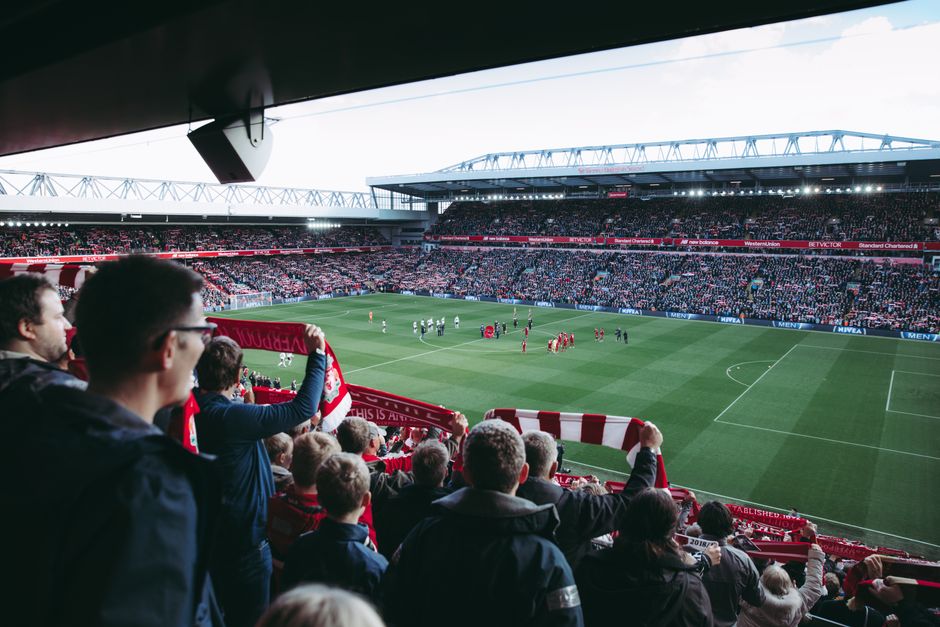
While political interviews often offer carefully constructed narratives, the recent surge in ‘Wonderwall’ streams provided an unfiltered glimpse into a nation’s soul. Following England’s decisive World Cup victory over Mexico, The Independent reported a staggering 300% spike in listenership for the iconic track, cementing its role as the unofficial, spontaneous anthem of England’s tournament run. This wasn’t a policy briefing or a carefully orchestrated diplomatic presser; it was a profound public outpouring, amplified by the striking image of the England squad themselves joining jubilant fans in chorus. This collective vocalization offered a unique, almost accidental, national address, sidestepping the usual political theatre to reveal a raw, celebratory spirit.

What landed
The sheer velocity of the **Oasis** surge, as meticulously detailed by The Independent, speaks volumes far beyond mere music consumption. This wasn’t just a casual rediscovery of a hit; it was a collective embrace, a national singalong that propelled ‘Wonderwall’ into entirely new stratospheres of popularity. A 300% increase in listenership isn’t merely a statistic; it’s a pulsating barometer of national euphoria, a shared emotional release following a high-stakes, hard-won victory that united millions.
Perhaps the most compelling “statement” of all was entirely non-verbal: the sight of the England team itself, usually so guarded and media-trained, openly singing the anthem back to their supporters. This spontaneous moment of connection, a rare and genuine breach of the professional fourth wall, suggested an authenticity and camaraderie between players and public that felt utterly refreshing. It cut through the cynicism that often surrounds professional sports, echoing the sentiment of millions who felt a genuine, unscripted bond.
It’s a powerful, if somewhat unexpected, reminder that national identity isn’t solely forged in parliamentary debates, economic reports, or carefully curated press conferences. Instead, it often finds its deepest expression in shared cultural touchstones. In a world increasingly fractured and complex, a simple, decades-old rock song can suddenly become an extraordinary unifying force, cutting through political divides and offering a moment of collective, unadulterated belonging. This was a masterclass in unintentional public relations, where the message of unity was delivered not by a spokesperson, but by a chorus.

What doesn’t add up
While the wave of ‘Wonderwall’ enthusiasm is undeniably heartening, one might wryly ask what this phenomenon truly reveals about the contemporary national cultural canon. Is the go-to anthem for a new generation’s moment of triumph still, unequivocally, a song from the mid-nineties? It stands as an undeniable testament to the track’s enduring, almost timeless, appeal, certainly. Yet, it also subtly hints at a certain cultural stasis, or at least a pervasive reliance on established, comfortable nostalgia when faced with moments of high emotion and national importance. One might wonder where the newer voices are, ready to capture such an electrifying moment.
This reliance on a classic also presents a curious tension. While the instant familiarity of **Oasis** provides immediate comfort and unity, it paradoxically sidesteps the opportunity to forge new musical symbols for a changing nation. Is it a reflection of a broader cultural moment where new anthems struggle to gain traction against the behemoths of the past? This isn’t a critique of the song itself, but rather an observation of the cultural dynamics at play – a preference for the well-worn path over a potential new sonic identity.
Moreover, the narrative of national unity, so powerfully invoked around major sporting events, can also be a deceptively fragile construct. While the scenes of players and fans singing together were genuinely moving, it’s always worth maintaining a healthy skepticism about how deep and lasting this unity truly runs beyond the ninety minutes of a match. Does a shared love for an **Oasis** track genuinely bridge the deeper societal, economic, and political divides that inevitably resurface with the Monday morning news cycle? Or is it a temporary, beautiful illusion, designed to carry us through until the next challenge? The spontaneous outpouring is real, but its shelf life is often limited.

So, when Monday morning rolls around, and the last echoes of ‘Wonderwall’ inevitably fade from the stadium and the streaming charts, the challenge for the nation remains. Can the spontaneous, unifying power of a song and a shared sporting victory translate into a more sustained national optimism, a deeper sense of collective purpose? Or will this extraordinary moment remain a fleeting anthem for fleeting victories, a powerful but ultimately temporary balm? The answer, as always, lies beyond the final whistle.
Source: OnTheRecord