
When nature lashes out with a force few expect, do we truly learn, or do we simply *watch* in stunned silence? A recent, terrifying event in central China forces us to confront this question, reminding us that even the most technologically advanced nations remain vulnerable to the planet’s unpredictable fury. The visual evidence of this rare tornado isn’t just a grim spectacle; it’s a stark reminder of vulnerabilities often overlooked in the relentless march of progress.
Videos shared with the BBC capture the chaotic scene as debris ripped through the air, scarring the cities of Ezhou and Huanggang in China’s Hubei province. This wasn’t a distant, abstract threat; it was a visceral, destructive force tearing through communities.
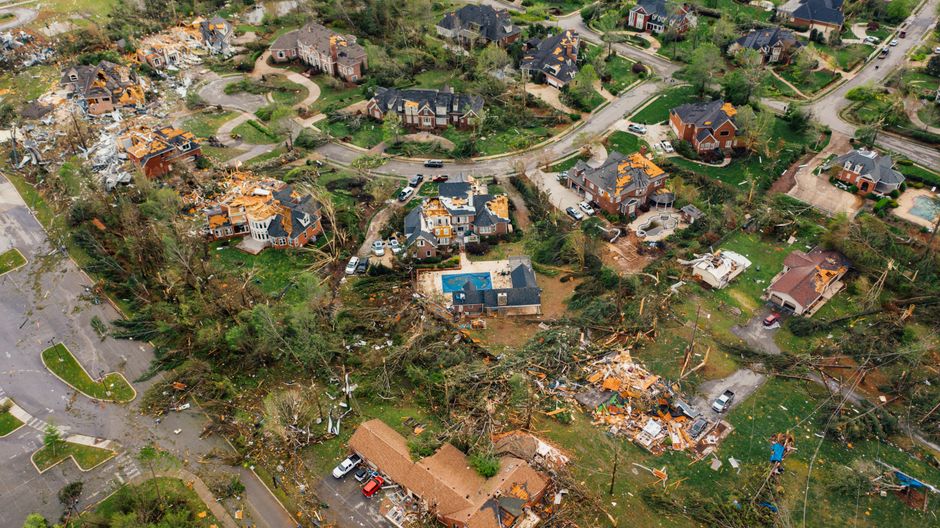
The Science of Watching the Unpredictable
Tornados are not a common occurrence in China, particularly not with this ferocity in central provinces. This makes the recent event in Hubei province especially unsettling, pushing meteorologists and climate scientists to scrutinize historical data and evolving atmospheric conditions. China, a nation synonymous with rapid development and technological prowess, has invested heavily in sophisticated weather monitoring systems, satellite technology, and advanced predictive models. Yet, the very rarity of such an event in this region underscores a crucial point: predictive science, for all its advancements, still grapples with extreme outliers.
The question isn’t just how to predict such events, but how to understand their increasing frequency or intensity in regions previously thought immune. Is this an anomaly, or a harbinger of shifting global weather patterns driven by climate change? Scientists are intensely studying how warming oceans and altered atmospheric circulation might be creating new conditions for severe weather. These developments challenge the very foundations of long-established climate models, urging a deeper dive into the complex interplay of global systems.
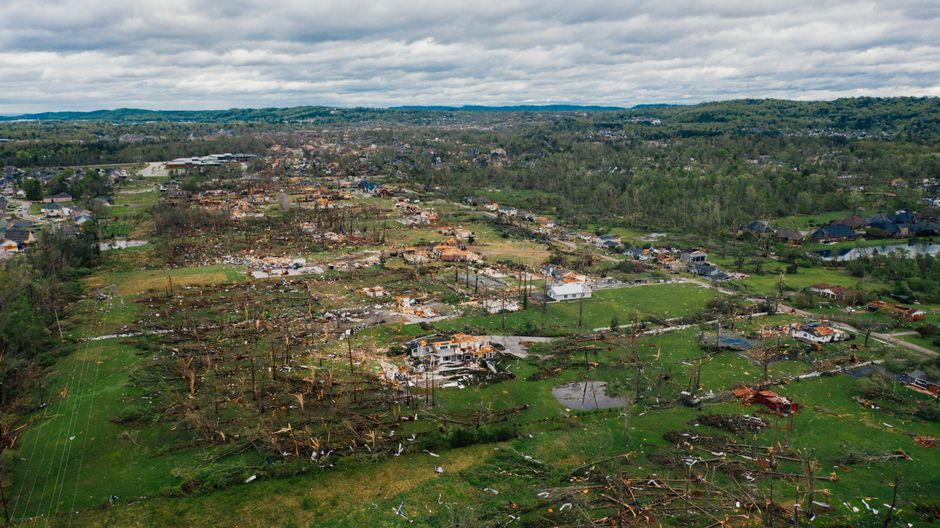
This incident also brings into sharp focus the economic implications of such “black swan” weather events. While coastal regions in China are often braced for typhoons, inland areas like Hubei are less equipped, both structurally and psychologically, for the specific, localized devastation of a tornado. The business of disaster preparedness becomes a different beast when the threat itself changes, demanding new investment in resilient infrastructure and early warning dissemination tailored to specific, emerging risks.
Beyond the Spectacle: What We’re Missing
It’s easy to *watch* the harrowing footage and dismiss it as an isolated incident, a fluke of nature. But that would be a profound miscalculation. The truth is, a nation like China, which has prioritized breakneck economic growth and urban expansion, faces a unique challenge when confronted with unexpected natural disasters. The sheer scale of its infrastructure development, while impressive, can sometimes outpace the integration of comprehensive, region-specific disaster resilience measures. Are the high-rises and factories built with the same tornado-resistant standards as, say, a building in Tornado Alley in the US? Unlikely.
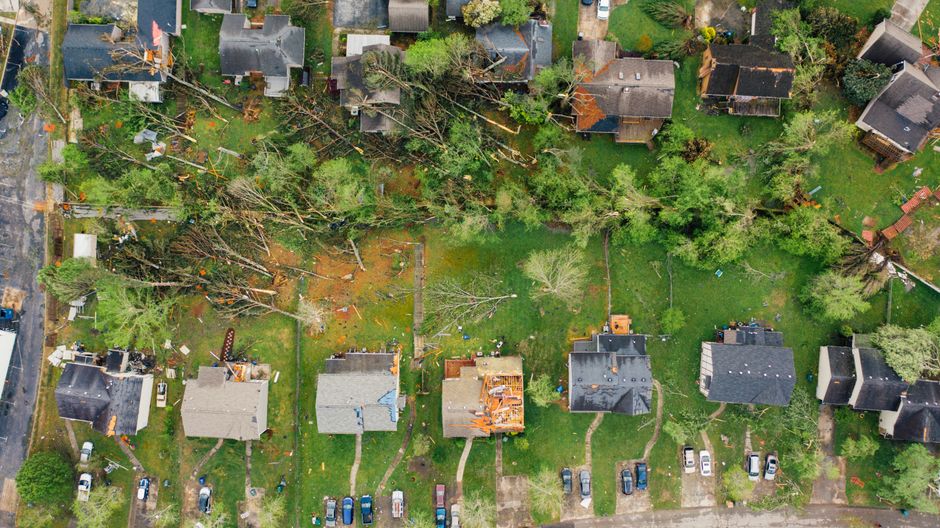
This isn’t to say China ignores disaster preparedness; far from it. The state pours immense resources into infrastructure and public safety. However, the sheer unpredictability of events like this tornado raises critical questions about the universality of those standards and the allocation of resources. The human cost of such an event is immediately apparent in the videos, but the long-term economic disruption, the strain on emergency services, and the psychological toll on communities are less visible. We *watch* the immediate aftermath, but often overlook the quiet, grinding struggle of rebuilding, both physically and emotionally.
Furthermore, this event serves as a stark reminder of the limitations of even the most sophisticated technology. While satellites can track large-scale weather systems, the micro-level, sudden formation of a tornado often defies precise, real-time prediction with enough lead time for effective evacuation. This is where scientific advancement meets its humbling edge, forcing us to consider not just predictive power, but also the resilience of our built environment and the responsiveness of our community-level preparedness strategies. The mainstream narrative often focuses on China’s technological triumphs; this incident spotlights where even those triumphs hit a wall when confronted by nature’s raw, localized power.
We build taller, faster, smarter, convinced that our ingenuity can conquer all. Yet, when the skies truly open, unleashing forces both rare and destructive, we are forcefully reminded that sometimes, all we can do is *watch* — and hope we’ve learned enough to build better, and more responsibly, next time.
Source: BBC Asia