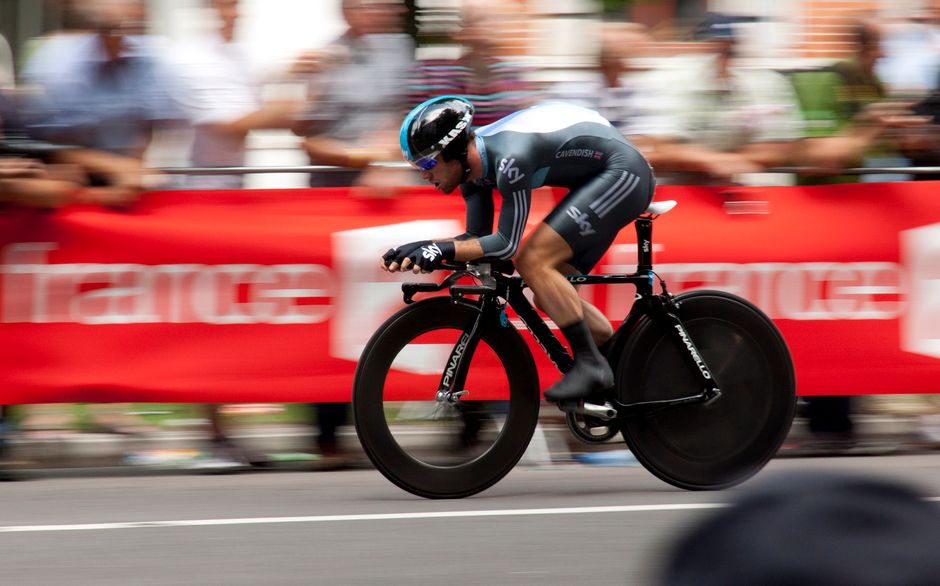
The Tour de France isn’t just a race; it’s a living, breathing testament to human suffering and resilience, particularly when Mads Pedersen decides to make it his personal proving ground. Forget the picturesque postcard views of France; this year, the cycling world is watching a crucible, where the line between triumph and collapse blurs under an unforgiving sun.
According to France 24, former world champion Mads Pedersen secured a stunning victory in the fourth stage on Tuesday. He maintained a relentless breakaway for more than 150 kilometers in scorching 40C heat. Meanwhile, Torstein Traeen seized the coveted yellow jersey, marking a significant, if perhaps overshadowed, moment in the race.
The Science of Surviving the Saddle: What Mads Pedersen’s Win Tells Us
This year’s Tour de France is unfolding under conditions that would send most sane individuals scrambling for air conditioning. The brutal 40C temperatures are not just an inconvenience; they are a profound scientific challenge to human physiology. Mads Pedersen’s audacious breakaway, sustained over such a distance in this furnace, isn’t merely a display of raw power. It’s a victory for cutting-edge sports science and meticulous preparation. Every rider in the modern peloton is a walking, pedaling experiment in human endurance, but the extreme heat amplifies the stakes dramatically.
Teams invest millions in understanding thermal regulation, hydration strategies, and advanced nutrition. We’re talking about scientifically engineered clothing designed to wick sweat and promote cooling, specialized electrolyte mixes, and personalized feeding plans managed by an army of sports scientists and nutritionists. The bikes themselves, while appearing simple, are marvels of materials science and aerodynamics, each gram shaved off, each watt saved, contributing to the razor-thin margin between winning and fading. Pedersen’s ability to maintain such a high output for so long speaks volumes about his individual conditioning, but also about the unseen technological and scientific infrastructure supporting him. This isn’t just about legs; it’s about the brain calculating risk, the gut absorbing fuel, and the skin shedding heat, all functioning at their absolute limit. For Torstein Traeen, securing the yellow jersey represents a different triumph of strategy and resource management, a testament to consistent performance and energy conservation over multiple stages, often supported by a team designed to protect and deliver him to the finish line with minimal exertion.
Beyond the Finish Line: The True Cost of Glory
What Mads Pedersen accomplished in stage four wasn’t just a stage win; it was a defiant middle finger to the conventional wisdom of peloton control and, perhaps, to the increasingly dire reality of climate change. In an era where races are often decided by fractional gains and data-driven strategies, Pedersen reminded everyone that sheer human will, combined with an ironclad physiological capacity, can still shatter the script. His win is a testament to individual brilliance, but it also raises uncomfortable questions about the sustainability of pushing athletes to such extremes.
Is the spectacle of the Tour de France, with its demands for multi-hour efforts in potentially dangerous heat, becoming a dangerous anachronism? We celebrate the heroism, but we rarely discuss the long-term health implications for these athletes who are asked to perform at the absolute precipice of human capability, year after year, under increasingly hostile environmental conditions. While teams and riders employ every scientific trick in the book to mitigate the risks, there’s a point where even technology can’t fully counteract the forces of nature. The yellow jersey on Torstein Traeen’s shoulders is a symbol of achievement, but also a heavy burden. It represents not just personal success, but the tremendous physical toll exacted by a sport that refuses to slow down, even as the planet heats up. This Tour isn’t just a test of athletic prowess; it’s a stark preview of a future where human ambition clashes head-on with environmental reality.
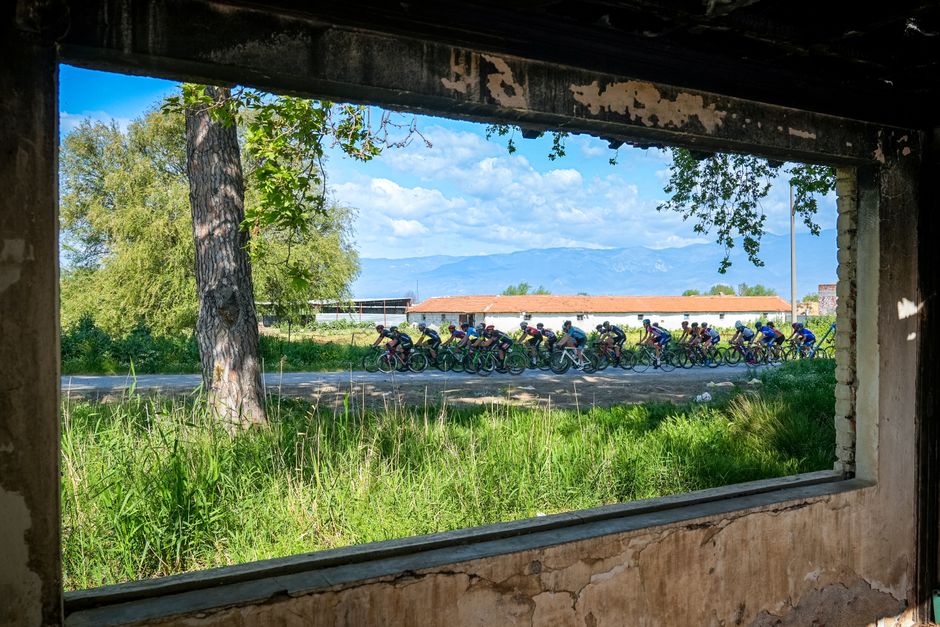
So, as the peloton continues its grueling journey across France, weaving through stunning landscapes and suffocating heat, ask yourself: are we witnessing the pinnacle of human endurance, or are we simply documenting the dangerous limits of a sport that, like the world itself, is struggling to adapt?
Source: France 24