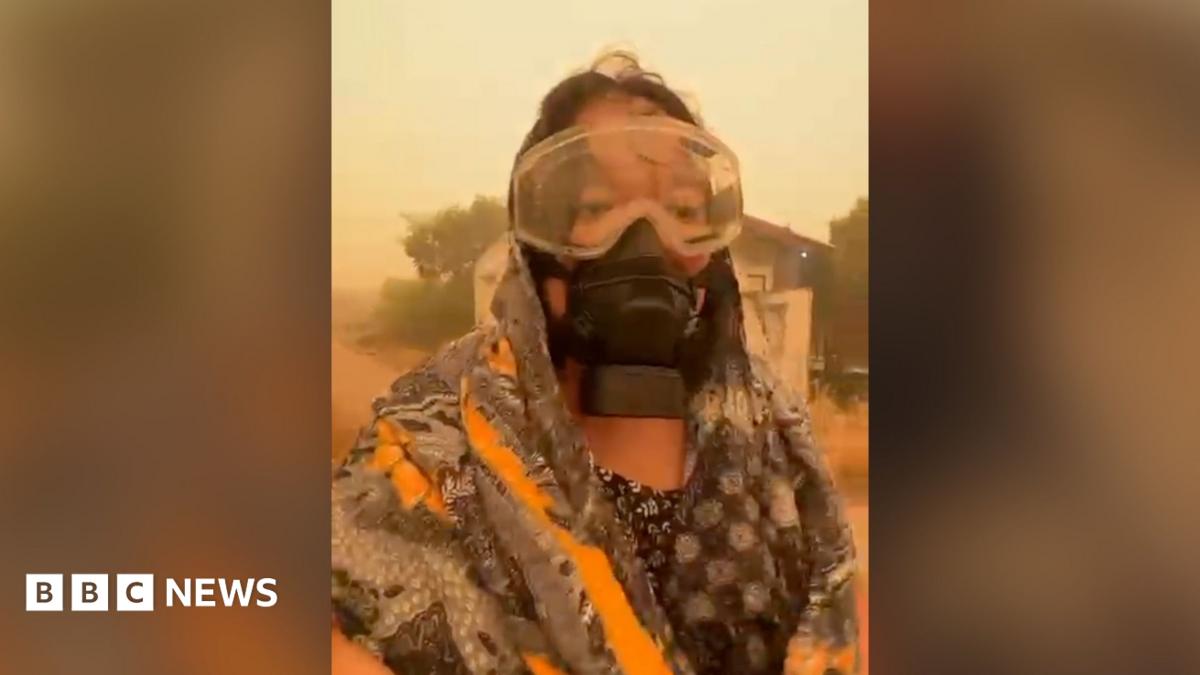
Nowhere feels more literal than it does in the streets of Palangka Raya, where an orange veil has turned every breath into a reminder that escape is an illusion. The word “Nowhere” has already become a meme on Indonesian social media, captioning videos of residents clutching masks as the haze rolls in like a slow‑moving wall of fire‑kissed ash.
According to BBC Asia, thick orange smog descended on Palangka Raya on Thursday, blanketing the city as wildfires continue to rage in the surrounding forests. Satellite imagery released by Indonesia’s disaster agency shows the fire line stretching for dozens of kilometres, feeding the same particulate plume that is now choking the capital of Central Kalimantan.
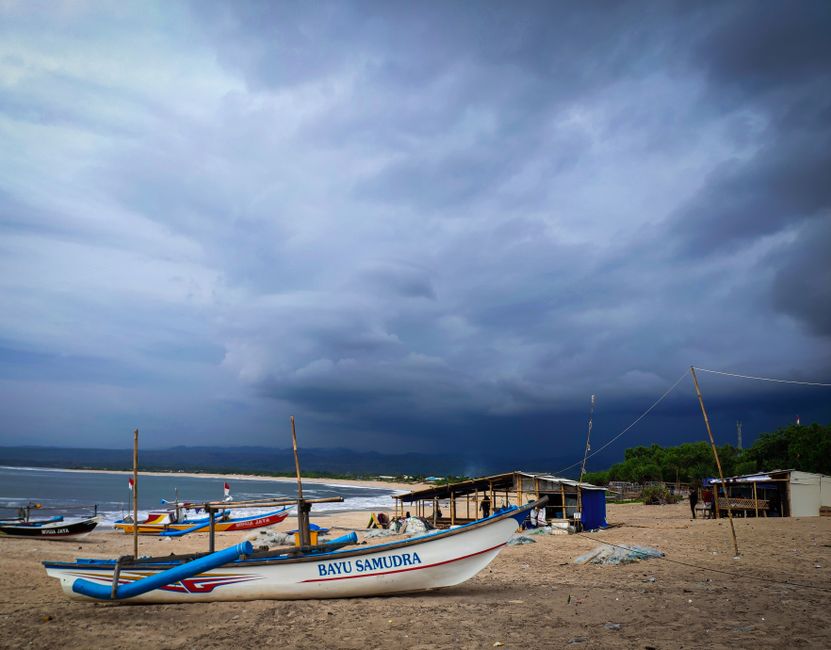
Nowhere to Escape: The Indonesian Haze Unfolds
The haze crisis is not a new chapter in Indonesia’s environmental saga, but the intensity this year has pushed it into a new, technologically charged arena. In previous seasons, the government relied on ground patrols and manual reporting, a method that left large swathes of the archipelago “Nowhere” on the map of real‑time monitoring. This time, however, the convergence of cheap drones, high‑resolution satellites, and AI‑driven analytics promises to rewrite the script.
In fact, a consortium of regional tech firms has already begun deploying machine‑learning models that ingest thermal data from Sentinel‑2 and Landsat‑9 to predict fire hotspots up to 48 hours in advance. The algorithms, trained on years of fire‑season data, can differentiate between agricultural burns and uncontrolled forest blazes with a reported accuracy of 87 percent. This level of foresight could, in theory, give authorities a window to deploy fire‑break crews before the smoke reaches populated areas—turning “Nowhere” into a place with a plan.
Yet the promise of AI is tangled in bureaucratic inertia and vested interests. Plantation owners and palm‑oil conglomerates have historically lobbied against stringent enforcement, arguing that fire is an “essential” tool for land clearing. As a result, the data pipelines that feed AI models often hit roadblocks at the policy level, leaving the technology to generate predictions that never translate into action. The mainstream narrative celebrates the sleek dashboards and real‑time alerts, but it glosses over the fact that without political will, the models remain elegant academic exercises rather than life‑saving tools.
Meanwhile, the human cost is stark. Residents of Palangka Raya have reported a surge in respiratory ailments, and schools have been forced to close as visibility drops below 500 metres. The haze also drags down tourism revenue, a sector already fragile after the pandemic, and threatens to deepen the economic disparity between urban centers and the rural communities that fuel the fires. In short, the stakes are not merely environmental; they are health, livelihood, and the credibility of a nation that claims to be moving toward sustainable development.
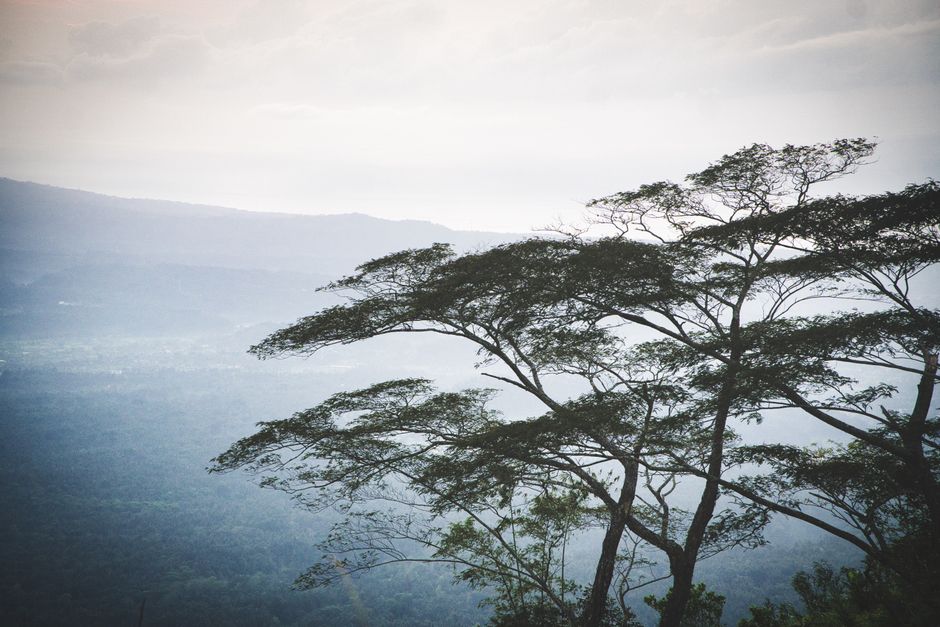
The Tech That Could Turn “Nowhere” Into a Forecast
If there is a silver lining to this orange nightmare, it is the rapid maturation of AI tools that can transform “Nowhere” into a data‑rich, actionable space. One such tool is the open‑source platform “FireWatch AI,” which aggregates fire alerts from multiple satellites, cross‑references them with weather models, and outputs a heat map that updates every fifteen minutes. The platform’s creators argue that democratizing access to this information forces local governments to act, because the data is no longer a secret held by a few ministries.
Another frontier is edge‑computing sensors placed on fire‑prone hillsides. These low‑power devices use neural networks to detect the spectral signature of combustion in real time, sending alerts via low‑orbit communication satellites directly to mobile phones of nearby officials. The advantage is speed; where traditional satellite passes might miss a rapidly spreading blaze, an edge sensor can flag it within seconds, effectively erasing the “Nowhere” gap between ignition and response.
Critics, however, warn that an overreliance on technology could create a false sense of security. AI models are only as good as the data they ingest, and cloud cover—ironically caused by the very fires they aim to monitor—can obscure satellite views, leading to blind spots. Moreover, the deployment of these systems often sidesteps community involvement, ignoring local knowledge that could fine‑tune the algorithms. As a result, the technology may end up serving as a veneer of progress while the underlying drivers of deforestation—land‑use policy, corporate profit motives, and weak enforcement—remain untouched.
The real winners in this scenario are the tech firms that stand to profit from contracts worth billions of dollars, and the governments that can point to high‑tech dashboards as proof of action. The losers are the people on the ground, who continue to inhale a haze that makes every street feel like a no‑exit zone. Mainstream coverage tends to celebrate the “AI solution” narrative, yet it fails to ask who funds the sensors, who owns the data, and whether the predictions will ever be backed by boots on the ground. In the end, the most powerful AI might be the one that predicts public outrage before it even reaches the streets.
The haze over Palangka Raya is a stark reminder that technology alone cannot conjure a miracle. It can, however, illuminate the places that have long been “Nowhere” on the map of accountability. If policymakers choose to integrate AI insights with decisive enforcement, the orange veil could lift faster than the next satellite pass. If they do not, the city will remain a cautionary tableau—an orange‑colored postcard sent from a place where, once again, there is nowhere to escape.
Source: BBC Asia