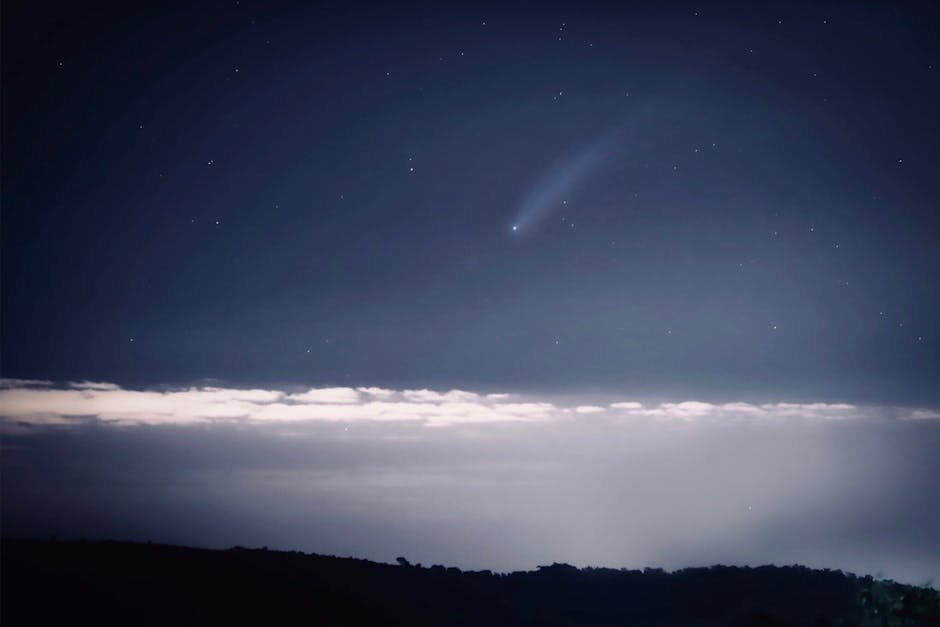
The notion that science has the answers to our greatest questions is both alluring and frightening. What does it mean when NASA’s Webb Space Telescope detects methane on interstellar Comet 3I/ATLAS? This isn’t just another day at the lab; it’s a cosmic revelation that pushes the boundaries of what we understand about the universe and our place within it.
According to NASA, this groundbreaking discovery marks the first time methane has been detected on an interstellar comet, highlighting the significance of this elusive compound beyond Earth. The Webb telescope’s observations reveal that this comet, which originated from outside our solar system, carries with it the tantalizing promise of new insights into the chemical composition of celestial bodies.
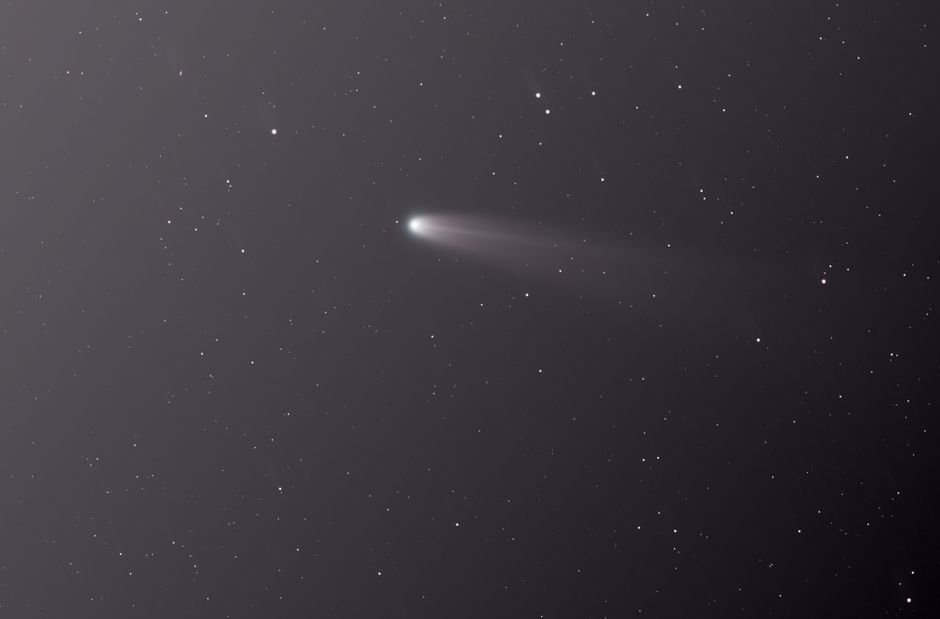
The Science Behind the Discovery
So why does this detection matter now? The presence of methane on Comet 3I/ATLAS is a game-changer in the field of science. It challenges our previous assumptions about the development of comets and their formation in the vast expanse of space. Methane could also indicate the potential for organic compounds existing elsewhere, rekindling the age-old question: Are we alone in the universe? The players in this cosmic puzzle are not just NASA scientists, but also the broader research community invested in astrobiology and planetary science. Their quest for understanding the building blocks of life is intensified by this discovery.
This comet is a virtual time capsule, carrying ancient materials from the interstellar medium. Such findings can radically alter our comprehension of the solar system’s evolution and the conditions that fostered life on Earth. Scientists now have an opportunity to scrutinize the origins of methane and its role in the universe, leading to potential breakthroughs in astrobiology.
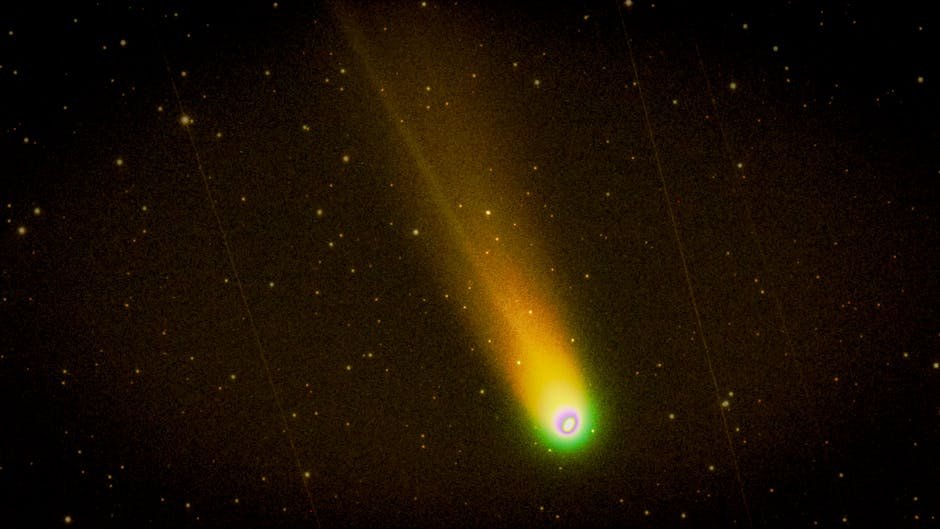
What’s at Stake in the Cosmic Conversation
However, the implications of this discovery go beyond the realm of academic curiosity. The science of detecting organic compounds like methane could eventually influence missions aimed at exploring other celestial bodies for signs of life. In an age where public interest in space exploration hovers on the edge of skepticism, findings like this ignite passion and investment in the scientific community.
Yet, there’s a catch. The excitement around Comet 3I/ATLAS must be tempered with caution. As we dive deeper into cosmic exploration, we risk overselling the idea that these discoveries equate to life beyond Earth. Methane alone does not confirm the existence of extraterrestrial beings; it’s merely a clue in a much larger puzzle. The science community must tread wisely to avoid falling into the trap of sensationalism while navigating the potential for groundbreaking revelations.
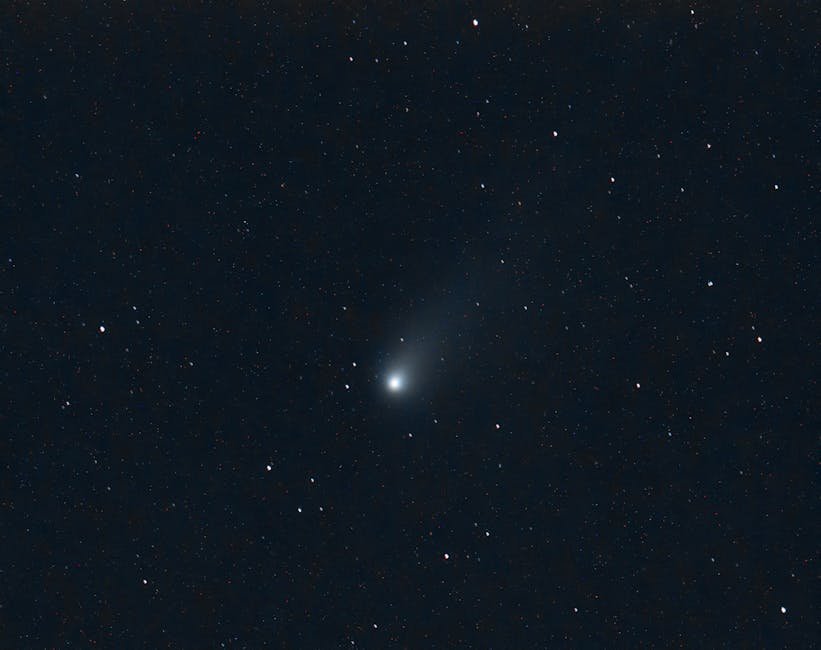
While scientists battle it out in research labs and observatories, the public’s imagination will invariably run wild with ideas of little green men or ancient civilizations sprouting from the cosmic dust. But as history has shown with other discoveries in the science realm, expectations must be managed.
The future of science is intertwined with the mysteries of the universe, and Comet 3I/ATLAS serves as a bright beacon guiding us through the darkness. Will this observation lead to further discoveries that bring us closer to understanding our origins? Or will it simply remain a tantalizing hint of what could be, forever out of reach? As we ponder these questions, one thing is clear: the universe is full of surprises, and the journey of discovery has only just begun.
Source: Google — Space & Science