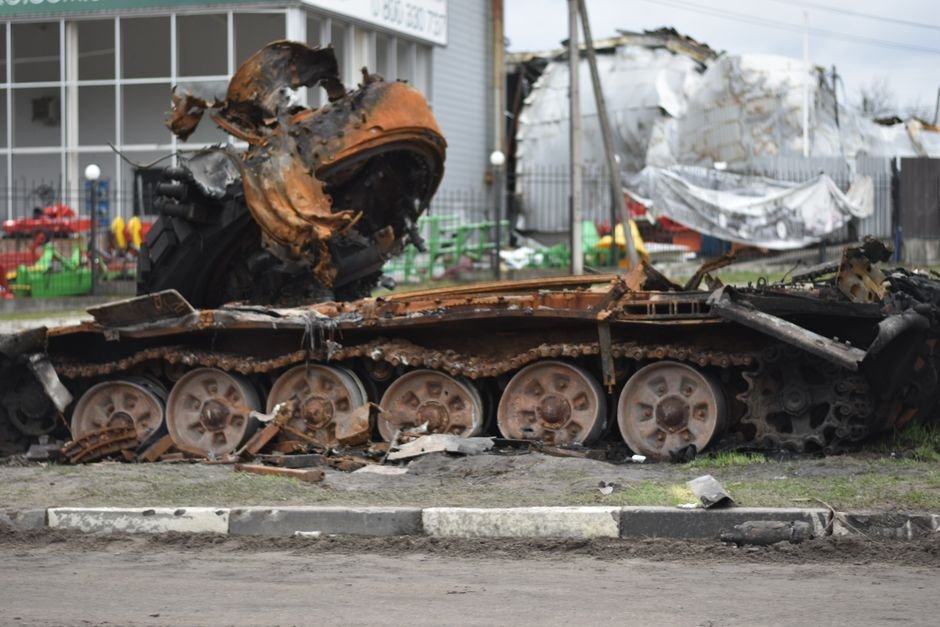
The war in Myanmar is not just another conflict; it’s a brutal reminder of how power can corrode morality and humanity. As rebels find themselves losing ground, the grim reality of forced recruitment into the military paints a dystopian picture of a nation spiraling into chaos. According to the BBC, frontline reports reveal a dire situation as the military intensifies its grip, conscripting young men to fuel its war machine.
The Bloody Landscape of War
Why is this happening now? The roots of Myanmar’s ongoing conflict can be traced back to decades of military dictatorship, ethnic strife, and the struggle for democracy. Since the coup in 2021, the military junta has ramped up its efforts to suppress dissent, leading to a surge in armed resistance from various ethnic groups. These rebels, representing the voices of the marginalized, are now in a fight not just for survival but for the very soul of their nation. The military is not just battling armed groups; it is battling the spirit of a population seeking freedom, which makes this war particularly chilling.
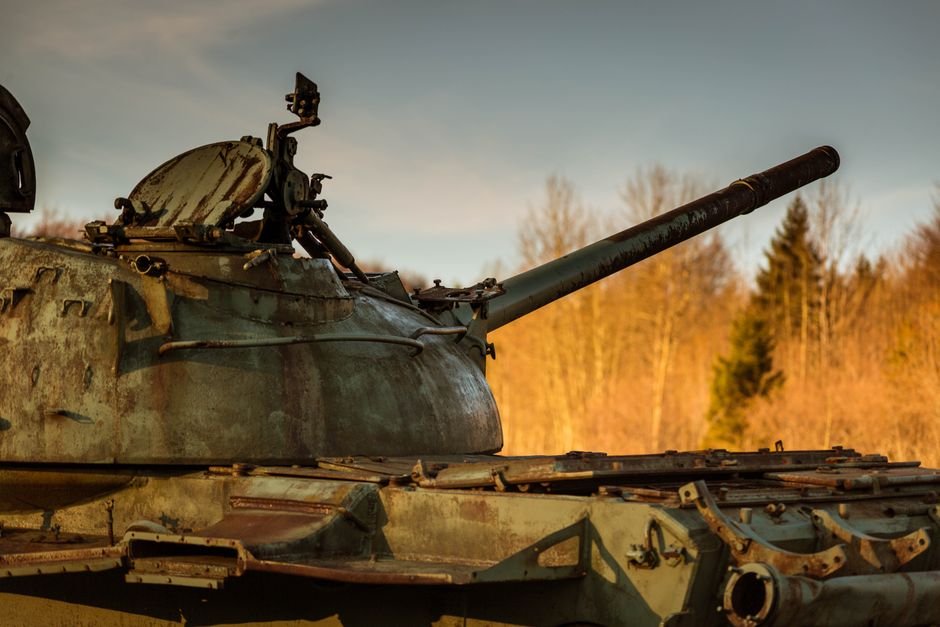
The urgency of this conflict is underscored by reports of forced enlistment as a means to bolster troop numbers. Families are torn apart as young men are taken to the frontlines, fueling resentment and resistance. This tactic reinforces the perception of the military as a brutal oppressor, and it exacerbates the humanitarian crisis engulfing the country. As towns and villages become ghostly echoes of their former selves, the stakes couldn’t be higher.
The High Cost of War
At this juncture, we must confront the uncomfortable truth: the real losers in this war are the innocent civilians caught in the crossfire. The military, by resorting to such desperate measures, seems to be conceding that it cannot win this battle on its own terms. The rebels, while losing ground, are gaining something intangible — the moral high ground inspired by the survival instincts of their communities. This dynamic creates a scenario where the longer the war drags on, the harder it will be for the military to claim any semblance of legitimacy.
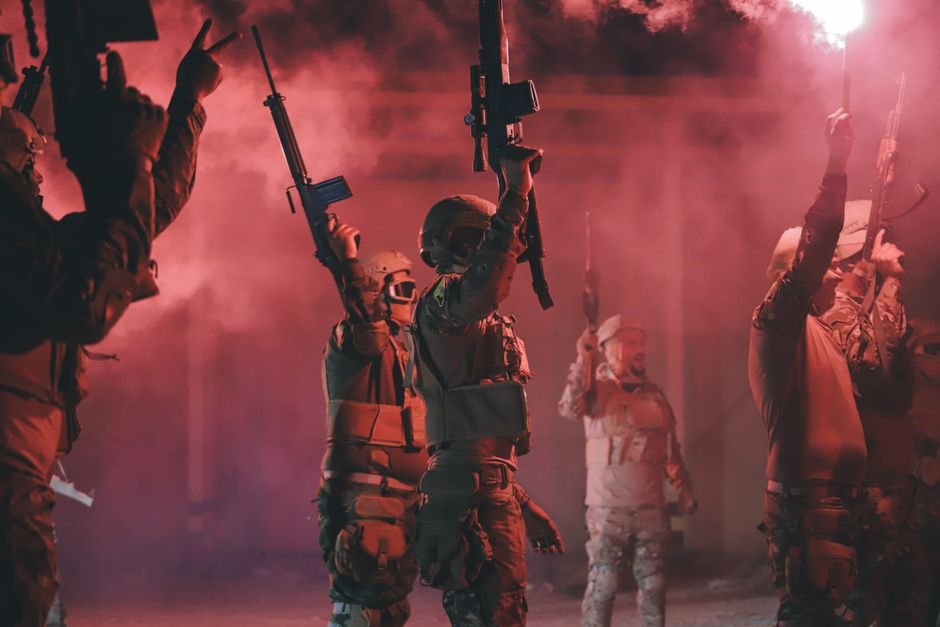
However, the mainstream narrative often overlooks the resilience of the people. The stories of mothers hiding their sons to keep them from being forced into the army or entire communities coming together to resist military advances highlight an undercurrent of defiance. Yet, these courageous acts may not be enough to shift the balance. As the military digs its heels in, backed by a steady stream of resources, the question arises: how long can the rebels hold out against such overwhelming odds?
In many ways, this war is a test of resolve. The military’s reliance on forced conscription signals a desperation — they recognize their waning support and the unsustainable nature of their tactics. The longer this conflict continues, the more entrenched both sides become, leading to a cycle of violence that could tear the nation apart completely.
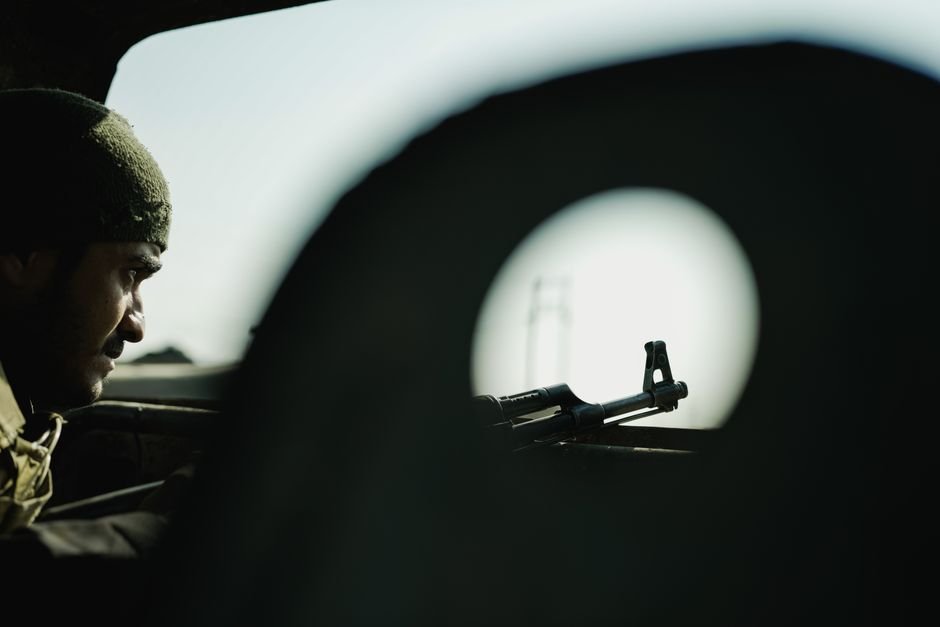
As we observe this tragic landscape unfold, we must ask ourselves: what comes next? Will the international community finally stand up and take notice of the atrocities being committed? Or will this war continue to fester, driving the country deeper into despair? The stakes are high, and the cost is being paid by those who can least afford it.
It’s a harsh reality, but one that the world must confront if we are ever to hope for peace in Myanmar. We cannot ignore the war, nor should we become numb to the suffering it brings. Every life lost, every family shattered, is a reminder that this war is not just about territory; it’s about the very future of a nation hanging in the balance.
Source: BBC Asia