
The rapid rise of technology in the healthcare sector is not just a trend; it’s an urgent, transformative force that we cannot afford to ignore. A staggering 148% increase in artificial intelligence (AI) usage at the FDA is set to redefine how we approach health and safety in 2025, according to data from the Bipartisan Policy Center. But with this surge, are we walking a tightrope between innovation and oversight?
According to Fierce Healthcare, the Department of Health and Human Services (HHS) is experiencing a monumental wave of AI adoption, with the FDA leading the charge. This isn’t merely about efficiency; it’s a fundamental shift in how healthcare decisions will be made, potentially putting AI in the driver’s seat for regulatory processes.
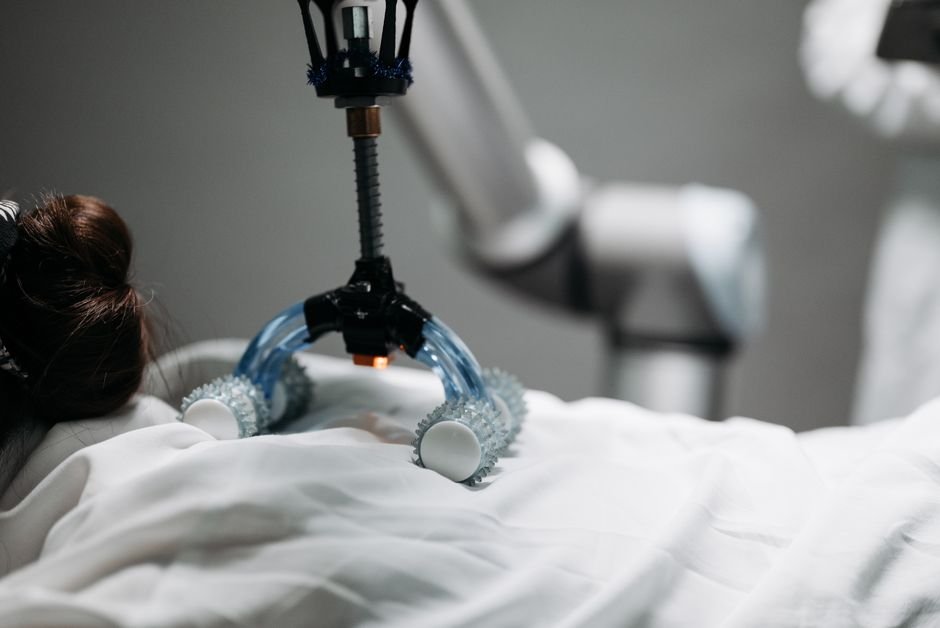
The Technology Surge’s Implications
Why is this sudden increase in technology such a big deal? For years, the FDA has been criticized for its slow pace in approving new drugs and technologies. The incorporation of AI promises accelerated reviews and better data analysis, which could lead to quicker patient access to groundbreaking treatments. However, this technology surge comes with its own set of risks. The FDA’s increased reliance on AI systems raises questions about accountability and transparency. As machines take over complex decision-making, who will be responsible when things go wrong?
The players in this scenario are crucial. The FDA, under the auspices of HHS, is compelled to embrace technology to keep pace with an evolving healthcare landscape. However, it must also tread carefully by ensuring that this rush into the future doesn’t sideline critical human insight and regulatory rigor. The implications of a predominantly technology-driven regulatory framework could extend beyond just healthcare; they could redefine trust in public institutions.

Who Wins and Who Loses in the Tech Arena?
The winners in this technology-driven evolution are clear: pharmaceutical companies and tech startups that thrive on faster approvals and innovative uses of AI. However, the losers could be everyday patients who may face a future where important decisions are handed over to algorithms without sufficient oversight. The mainstream narrative often overlooks the ethical dimensions of this AI integration. Are we prepared to trust machines with our health?
Moreover, the healthcare workforce might find itself at a crossroad. As AI takes over more tasks, will healthcare professionals lose their roles, or will they be elevated as overseers of these complex systems? This is a critical conversation that needs to happen before the technology becomes entrenched in our healthcare system.

The stakes are high, and the tension between innovation and caution is palpable. The mainstream media often paints a rosy picture of technology’s potential without fully grappling with the darker undercurrents of unchecked AI. The FDA’s leap into AI could be groundbreaking, but without robust frameworks, it could lead to monumental failures that could compromise patient safety and public trust.
As we stand at this crossroads, one question looms larger than the advancements themselves: Are we truly ready for this technological revolution in healthcare, or will our rush into the future leave us vulnerable to the very risks we seek to mitigate? If we don’t engage with this question head-on, we risk creating a system where the benefits of technology come at an unacceptable cost.
Source: Google — Technology & AI