What if the next great conflict isn’t fought with guns and bombs, but with the very fabric of science itself? In a world where scientific advancements drive not just discovery but also geopolitical power, the latest findings from the University of Toledo (UToledo) remind us just how crucial science has become in shaping our reality.
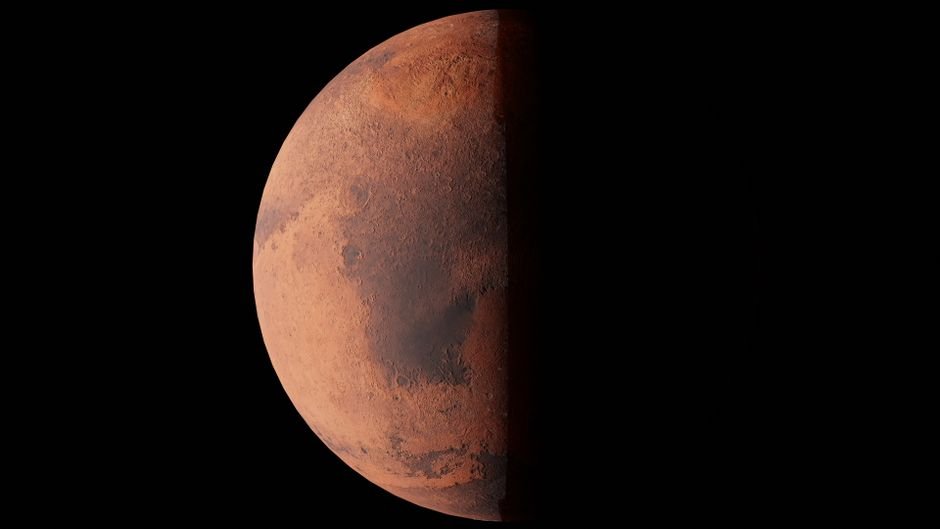
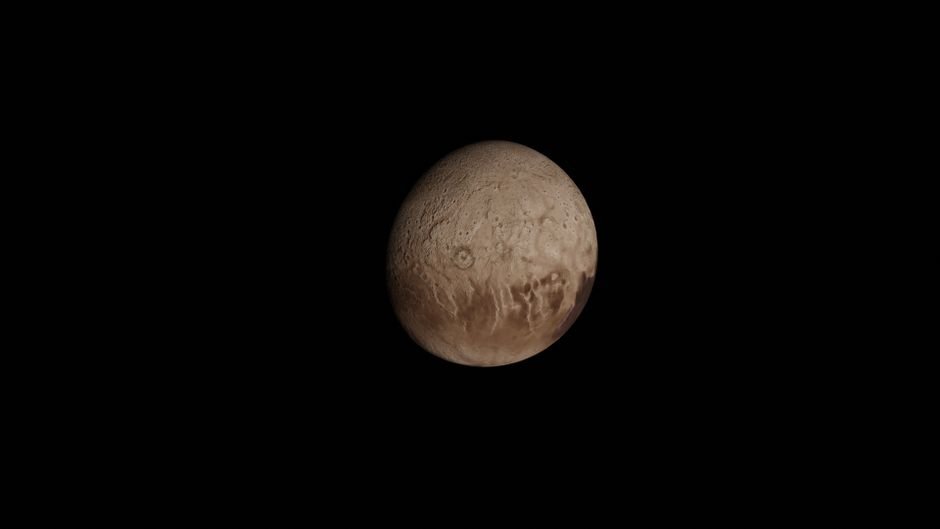
According to UToledo News, a team led by the university has generated stunning images and vital insights into planetary phenomena. These observations have not only furthered our understanding of space but also demonstrated the potential for science to influence diplomatic relations and security dynamics on a global scale.

The Role of Science in Modern Diplomacy
In an age marked by technological competition and resource scarcity, science is no longer a mere academic pursuit; it’s a critical tool in international relations. The rapid advancements from institutions like UToledo signal a shift where countries will leverage scientific prowess to assert dominance. The implications of these discoveries could provoke a new arms race—not for weapons, but for knowledge and innovation.
The developments at UToledo arrive at a time when nations are facing escalating tensions. From climate change to space exploration, the arena for conflict is expanding. Countries are beginning to grasp that whoever leads in scientific knowledge will hold the keys to power. As the world grapples with security challenges, the research coming out of UToledo could serve as a blueprint for how nations might collaborate, or compete, in this newly defined battleground.
Science as a Double-Edged Sword
While the images and insights from UToledo are undoubtedly impressive, they pose a conundrum. They symbolize progress, yet they also raise concerns about who gets access to this scientific knowledge. As nations rush to capitalize on advancements, the potential for misuse increases. History has shown that scientific breakthroughs can lead to both miraculous cures and devastating weaponry.
The mainstream narrative often overlooks these undercurrents. It’s easy to celebrate scientific achievements without considering their broader implications. The reality is that enhanced understanding of our universe could lead to heightened geopolitical tensions, as countries vie for control over new resources or technologies derived from these discoveries.
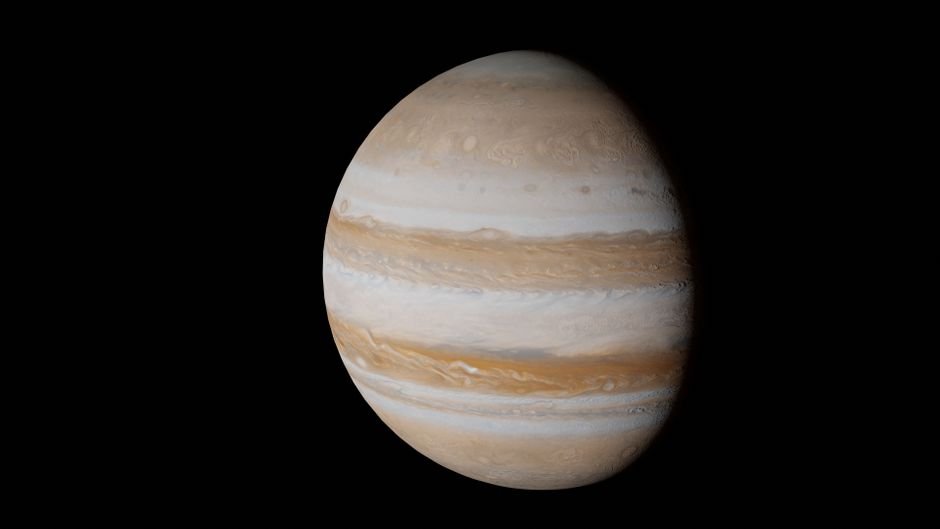
For instance, as we discover more about planetary bodies and their resources, the potential for conflict over territory and exploitation rises. With the pace of exploration accelerating, nations may soon find themselves in disputes not only on Earth but also in the cosmos.
In this context, the work at UToledo serves a dual purpose: it can unite humanity through shared knowledge, or it can exacerbate divisions as nations compete to harness these insights for their gain. The real question is whether we will choose collaboration or conflict as our path forward.
As we look to the future, it’s crucial that we consider the consequences of scientific advances. Will we embrace a cooperative spirit in the realm of science, or will we allow it to become a pawn in the game of global power? The discoveries at UToledo are more than just scientific milestones; they are a stark reminder of how intertwined our world of science is with the tumultuous landscape of conflict and security.
It’s a precarious balance, where one misstep could tip the scales from collaboration to contention. The next great conflict may very well hinge on how we navigate the increasingly complex relationship between science and the geopolitics of our time. Will we rise to the occasion, or will we allow our thirst for power to extinguish the light of progress? The answer will shape our future.
Source: Google — Space & Science