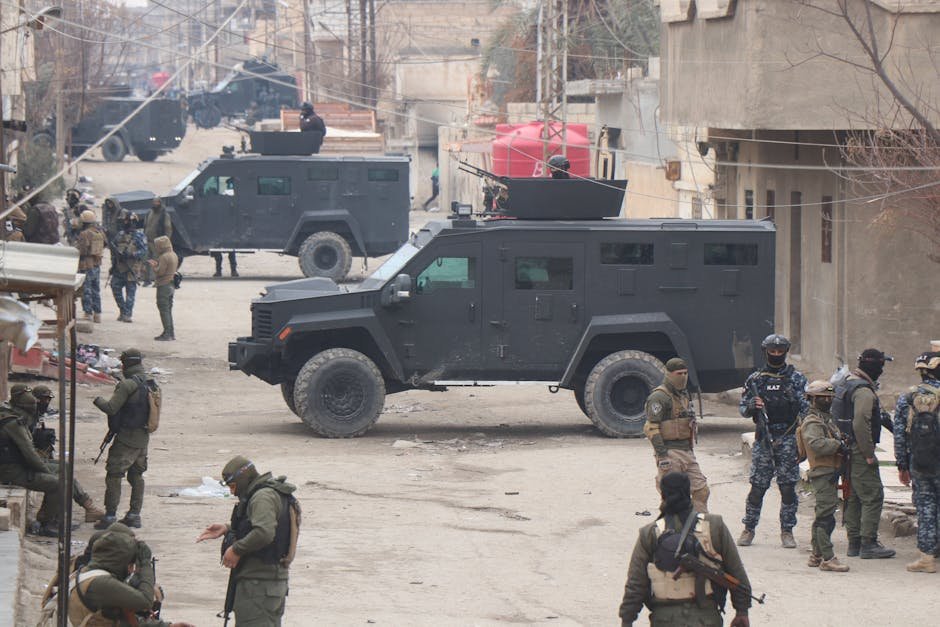
Middle East frames the debate here: The Middle East is on the brink of a catastrophic leap into chaos, yet the world seems to brace itself for the inevitable storm. While some political leaders scramble to broker peace deals that seem as ephemeral as vapors in the desert, the reality on the ground tells a far different story. According to The Hindu, recent explosions have been reported in Iran, signaling that the situation in Bandar Abbas is far from stable, even as Israel issues new evacuation warnings for ten villages in Lebanon.
The Stakes in the Middle East
This latest surge in tensions follows a series of provocations and retaliations that have characterized the region for years. Israeli military actions have ramped up, with warnings directed at Lebanese residents that suggest a broader conflict is brewing. Meanwhile, former President Donald Trump is making headlines by asserting that negotiations with Iran must result in either a “great and meaningful” deal or “no deal” at all. This dichotomy reflects a simplistic approach to an impossibly complex situation, further complicating the diplomatic landscape.
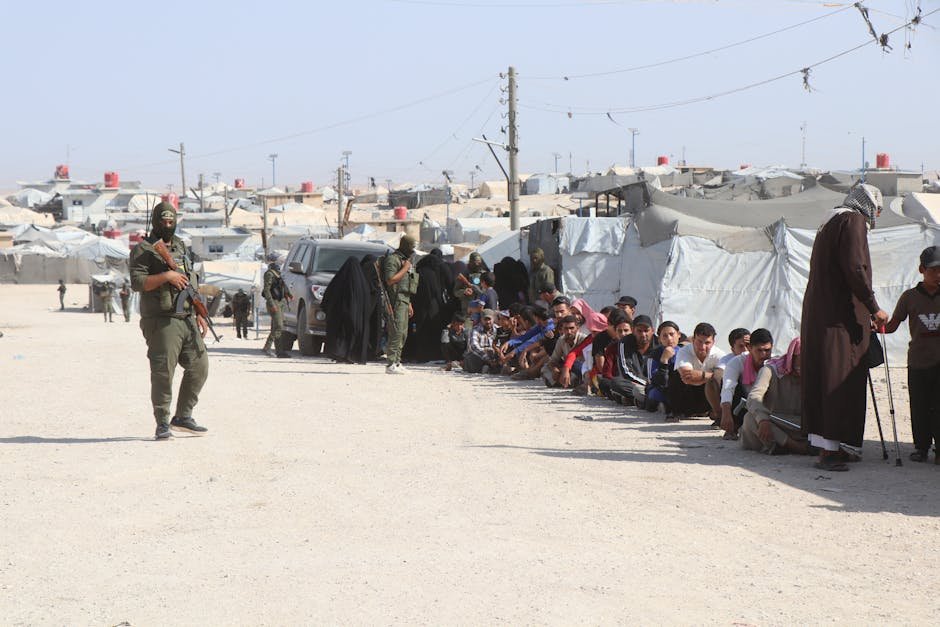
The players in this dangerous game are nothing short of titans in their own right. Israel is doubling down on its military strategy to curb Iran’s influence, perceived as an existential threat. On the other side, Iran remains defiant, vowing to protect its interests at any cost. With the stakes this high, a misstep on either side could plunge the region deeper into turmoil.
The Real Cost of Escalation in the Middle East
What most people fail to grasp amid the headlines is the grim reality that a war doesn’t just mean explosions and military maneuvers; it brings with it a human cost that is immeasurable. Civilians in Lebanon and Iran bear the brunt of these geopolitical squabbles, yet their voices are drowned out by political bravado and military posturing. A “great and meaningful” deal sounds appealing, but the reality is that such deals often crumble under the weight of differing agendas and mistrust.
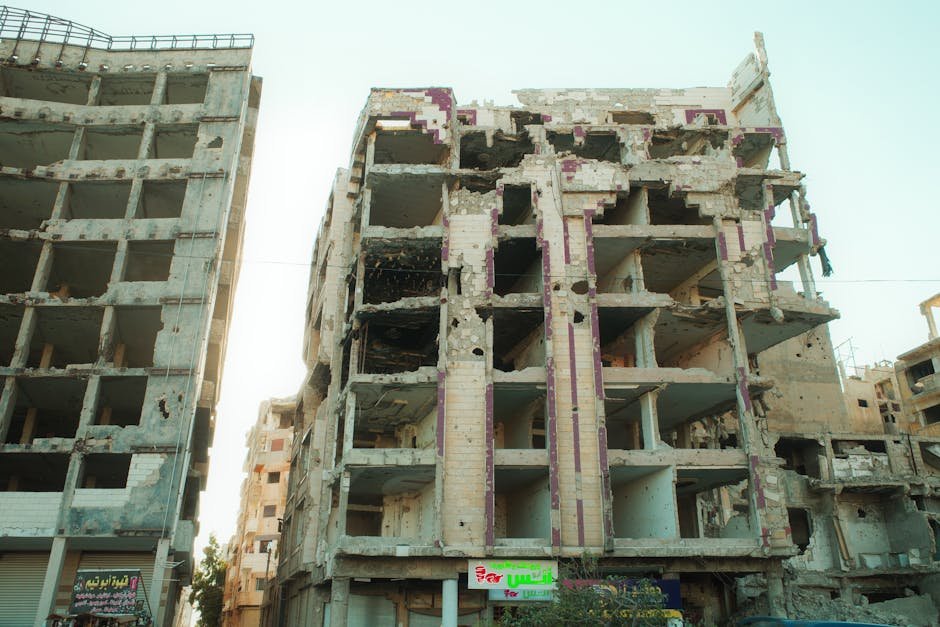
In this game of chess, who emerges as the victor? Certainly not the civilian populations who experience the fallout of decisions made in far-off capitals. As for Trump’s approach, it echoes a disconcerting pattern: simplistic solutions to intricate problems, leaving little room for the complexities of real-life diplomacy.
Moreover, the geopolitical ramifications extend far beyond the immediate players involved. Allies and adversaries alike are drawn into this quagmire, often unwillingly, creating a web of alliances and enmities that complicate any chance of resolution. The Middle East is not just a distant conflict; it’s a global powder keg.
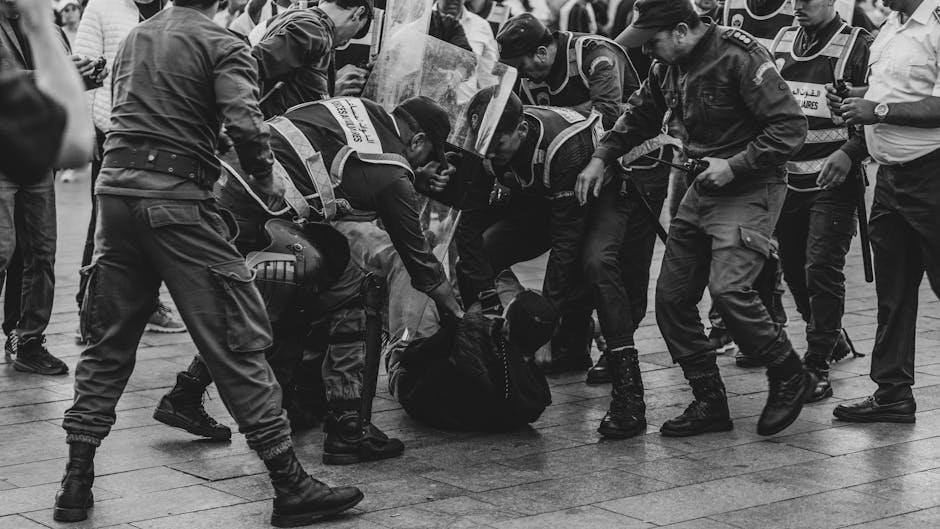
As tensions escalate, we must ponder: how long will the world continue to ignore the slow burn of this crisis? The escalatory moves being made are not just threats; they are harbingers of a possible wider conflict that could engulf the entire region.
In an era where technology, science, and strategic thinking should guide our path, the reliance on antiquated approaches to diplomacy threatens to backfire spectacularly. The Middle East deserves more than just lip service from leaders who are disconnected from the realities on the ground. They need genuine, robust dialogue grounded in mutual respect and understanding—a far cry from the current state of affairs.
As we watch the situation unfold, let’s remember that the price of inaction and ignorance could be a war that reshapes the Middle East and the world as we know it. Can we afford to look away any longer?
Source: The Hindu