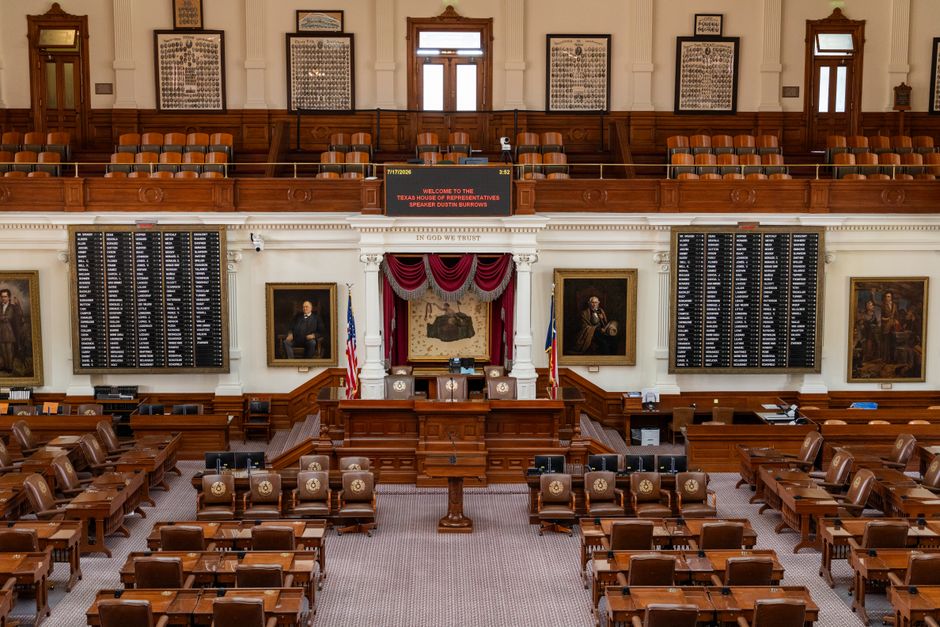
The quiet death of a widely supported DUI reform bill at the hands of **lawmakers** in committee is a stark reminder that even the most seemingly certain legislative victories can be undone by unseen hands.
The bill, aimed at strengthening drunk driving laws, had garnered significant public and political goodwill. It appeared set for smooth passage, reflecting a broad consensus on the need for updated safety measures. Then, with little fanfare and even less explanation, Senator Sabrina Cervantes’ committee intervened, applying what sources described to KPBS as “hostile amendments.” These changes effectively gutted the bill, transforming it from a robust reform into something unrecognizable and, by all accounts, ineffectual. This wasn’t a debate, but a dismemberment, executed behind the closed doors of a legislative committee rather than in the public forum.
What landed
What landed, or rather, what was *delivered*, was a clear message: the will of the committee, specifically under Senator Cervantes’ leadership, overrides widespread support. The outcome itself is the most revealing statement. By stripping the bill of its core provisions, the committee has effectively punted on a critical public safety issue, ensuring that proposed changes to DUI laws will not proceed as originally envisioned. This isn’t just a legislative setback; it’s a practical delay for any meaningful action on drunk driving, leaving existing statutes in place despite acknowledged shortcomings.
The application of “hostile amendments” isn’t a mere procedural tweak; it’s a legislative act of sabotage. It reveals a willingness to use parliamentary maneuvers to thwart initiatives that, on their face, appear to have strong public backing. The public, who understood this bill as a straightforward measure to enhance safety, now faces the reality that its essence has been quietly evaporated. This move, as reported by KPBS, highlights how easily a seemingly transparent process can become opaque, burying significant decisions in the minutiae of committee work.
What doesn’t add up
The most glaring inconsistency, frankly, is the utter absence of a coherent explanation for such a decisive move. How does a bill with “widespread support,” as KPBS noted, suddenly warrant such a drastic, almost surgical, gutting? The lack of public rationale from Senator Cervantes or her committee is deafening. It suggests that the reasons for these “hostile amendments” are not aligned with public interest or transparent legislative process, but rather with undisclosed political calculations or specific, unstated objections. One might almost suspect a hidden hand, or perhaps just a very busy legislative calendar that somehow missed the memo on public sentiment.
This sudden turn stands in stark contrast to the initial momentum and the collective understanding that this was a necessary and agreed-upon reform. The original bill’s proponents likely believed they had done the legwork, built the coalitions, and addressed potential concerns. Yet, without a public hearing or a robust debate articulating the newfound flaws that necessitated such extreme measures, the committee’s action comes across as arbitrary, even cynical. It creates a chasm between the public perception of an issue and the actual mechanics of its legislative fate, leaving citizens to wonder whose interests truly prevailed in the committee room.
Come Monday morning, the public wakes up to the reality that a widely anticipated step toward safer roads has been derailed, not by public opposition, but by an internal legislative maneuver. This episode fundamentally shakes public confidence in the transparency of the legislative process and signals that even broadly popular reforms can be quietly dismantled without accountability or explanation. The stakes are clear: when key decisions are made in the shadows, it’s not just a bill that suffers, but the very trust in democratic governance.
Source: OnTheRecord