
Another day, another ‘encounter’. In the grim theatre of justice, the curtain has fallen abruptly on Prabhas Mondal, the main accused in the horrific Baruipur rape and murder case. But is this swift, final act truly justice, or simply another unsettling demonstration of power masquerading as security?
According to the Times of India, Prabhas Mondal, the alleged perpetrator in the brutal Baruipur rape and murder, was killed in a police encounter. This incident occurred while officers were reconstructing the crime scene, a standard procedure that often aims to gather further evidence. During this reconstruction, Mondal reportedly attempted to snatch a firearm from one of the officers, subsequently opening fire on the police team. The police retaliated, and Mondal was later pronounced dead at the hospital.
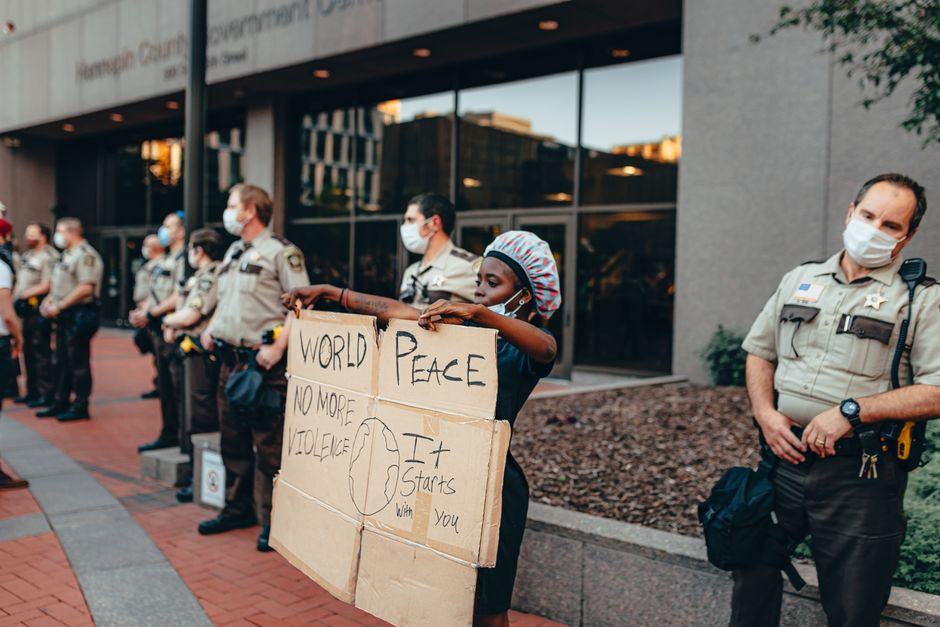
The Baruipur Encounter and the Conflict Over Security
The death of an accused in police custody, particularly under such circumstances, inevitably sparks a fierce debate about the nature of justice and the role of state power. This isn’t merely a local crime story; it’s a flashpoint in the ongoing conflict between perceived public security and the fundamental tenets of due process. In a nation grappling with high-profile violent crimes, the temptation to celebrate immediate retribution is strong. Many see these encounters as a decisive strike against criminality, a swift response that bypasses the often-protracted and frustrating legal labyrinth. They argue that such actions restore faith in the system by demonstrating the state’s capacity to protect its citizens and deliver finality.
However, the implications stretch far beyond the immediate case. The state’s monopoly on violence is legitimate only when exercised within the bounds of law, and police forces are entrusted with upholding those laws, not circumventing them. When an accused, even one implicated in heinous crimes like the Baruipur case, is denied the opportunity for a fair trial, the entire framework of justice trembles. It’s a conflict between the emotional demand for vengeance and the stoic requirement for a stable, lawful society. This incident, therefore, becomes a crucial barometer for how a society prioritizes its values: immediate closure or institutional integrity.
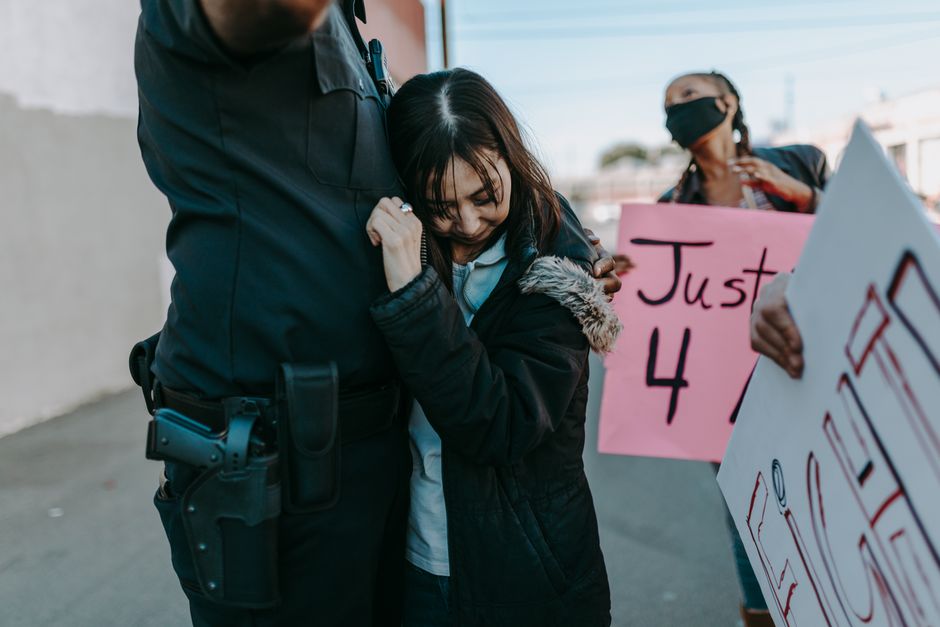
A Dangerous Precedent for Justice
Make no mistake: while the public might applaud the perceived efficiency, the death of Prabhas Mondal in this manner sets a dangerous precedent. Who truly wins when the state opts for the bullet over the courtroom? Ostensibly, the victims and their families might feel a sense of immediate relief, a finality that the slow grind of the judicial system rarely offers. The police, too, might gain a temporary boost in public confidence, seen as tough on crime, effective in maintaining ‘security’. Yet, these are superficial gains.
The real losers are the rule of law and the very fabric of a democratic society. Every such encounter chips away at the essential trust that citizens place in their institutions to deliver justice fairly and transparently. It begs uncomfortable questions: Was there no other way to neutralize the threat? Could the accused not have been re-secured? When the police become judge, jury, and executioner, the line between law enforcement and extrajudicial action blurs to the point of disappearing. This isn’t justice; it’s a dangerous shortcut, a tacit admission that the formal system is either too weak or too slow to handle its responsibilities. On the other hand, some might argue that in the face of extreme violence and a perceived breakdown of order, such decisive action is a necessary evil to deter others and protect society. But this argument, while emotionally resonant, fails to address the systematic erosion of legal principles.
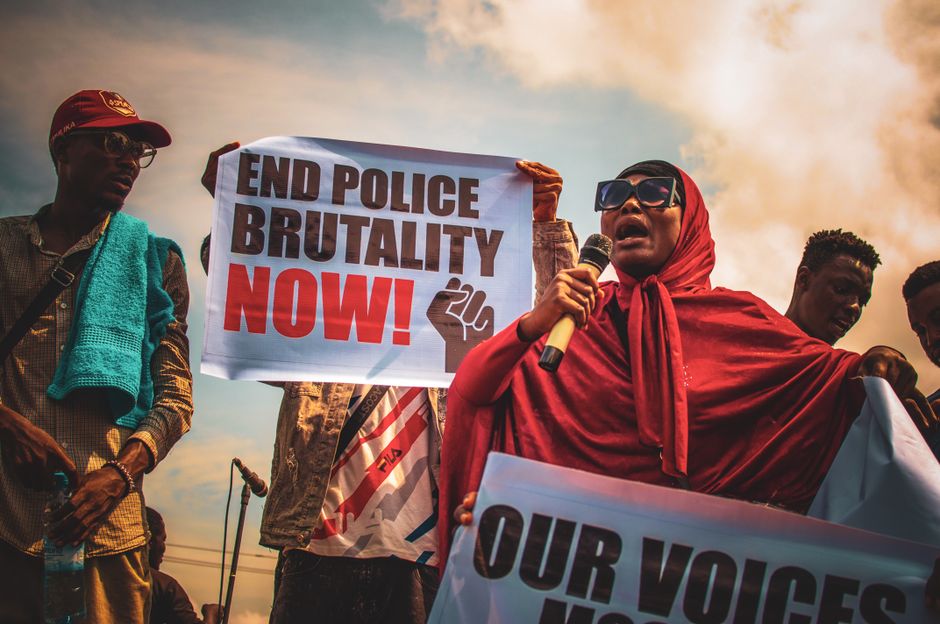
Such incidents, including this one connected to the Baruipur tragedy, create a climate where accountability becomes elusive. They raise suspicions about planted evidence, fabricated narratives, and the potential for abuse of power. The ultimate security of a nation lies not in its ability to mete out swift, informal punishment, but in the unwavering strength and fairness of its legal institutions. When those institutions are bypassed, even with the best intentions, the long-term conflict is with the very idea of ordered liberty.
The death of Prabhas Mondal brings an end to one criminal’s story, but it opens a much larger, more troubling chapter about the state of justice and security in our country. Are we comfortable trading due process for expediency, even when the crimes are heinous? Or will we demand a system that delivers justice without sacrificing the principles that define a truly secure and free society? The answer to that question will determine our collective future.
Source: Times of India