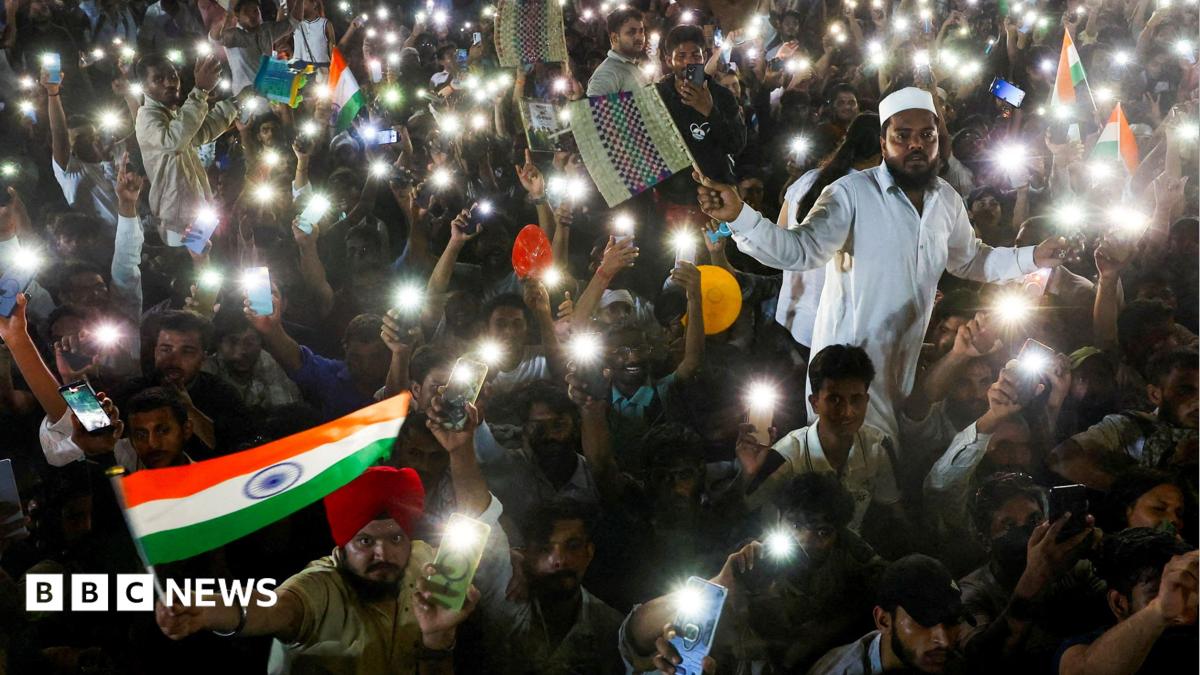
The moment the Ministry of Culture struck “denotified” off Jantar Mantar’s plaque, Delhi’s most iconic protest arena slipped into a legal gray zone – and the city’s dissenters were left wondering whether their megaphone had just been muted.
According to BBC Asia, the 18th‑century observatory in the heart of Delhi has officially lost its status as a designated protest site, a move that came after a series of high‑profile rallies that turned the marble steps into a billboard for everything from farmers’ grievances to anti‑government chants.

Why Delhi’s Jantar Mantar Matters
The denotification is not merely a bureaucratic footnote; it is a signal that the capital’s tolerance for mass mobilisation is being re‑engineered from the top down. Historically, Jantar Mantar has been more than a tourist attraction – it has been a stage where the nation’s most vocal citizens could converge without a permit, a rare legal sanctuary in a city where assembly permits are often a labyrinthine nightmare.
In fact, the site’s unique status stemmed from a colonial‑era ordinance that was later co‑opted by independent India to preserve a space for public dissent. Over the past decade, the square has hosted everything from anti‑CAA protests to climate marches, each leaving a layer of slogans etched into the stone. The BBC notes that the decision to strip the site of its protest‑friendly label came after a spate of “unauthorised” gatherings that authorities claimed disrupted public order.
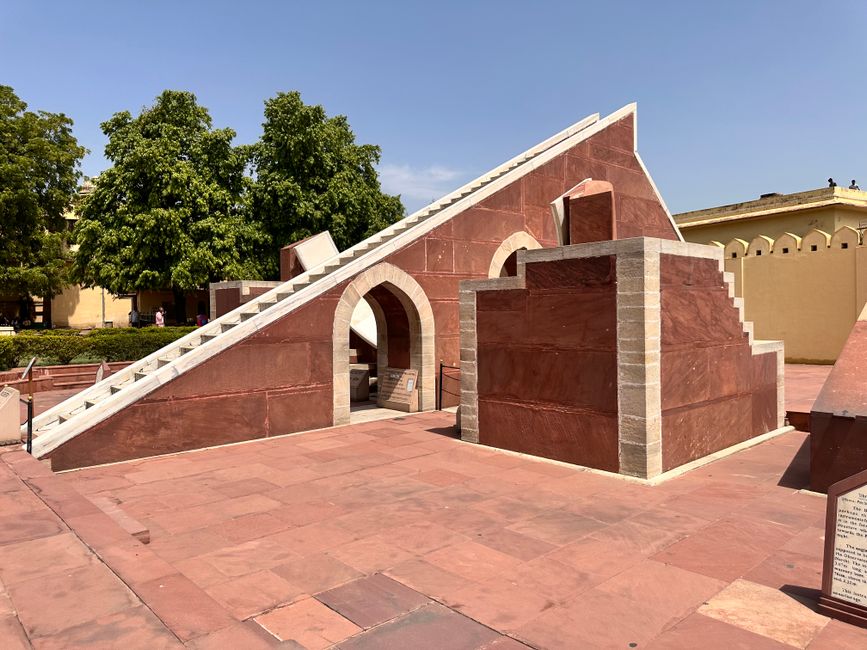
Meanwhile, the timing could not be more strategic. The government is currently grappling with a wave of nationwide strikes, and the loss of a legally protected venue in Delhi sends a clear message: the state is ready to tighten the screws wherever the crowd gathers. By removing the formal protection, officials can now invoke ordinary public‑order laws to disperse crowds, hand out fines, or even press criminal charges.
The Hidden Stakes of Denotifying a Protest Icon
The immediate winner of this bureaucratic tweak appears to be the ruling party, which gains a potent tool to pre‑empt large‑scale demonstrations without the optics of outright bans. In practice, the move allows police to treat any gathering at Jantar Mantar as an illegal assembly, granting them broader discretion to use force or file charges. This could dramatically raise the cost of protest for ordinary citizens, especially in a city like Delhi where legal battles can drain resources and morale.
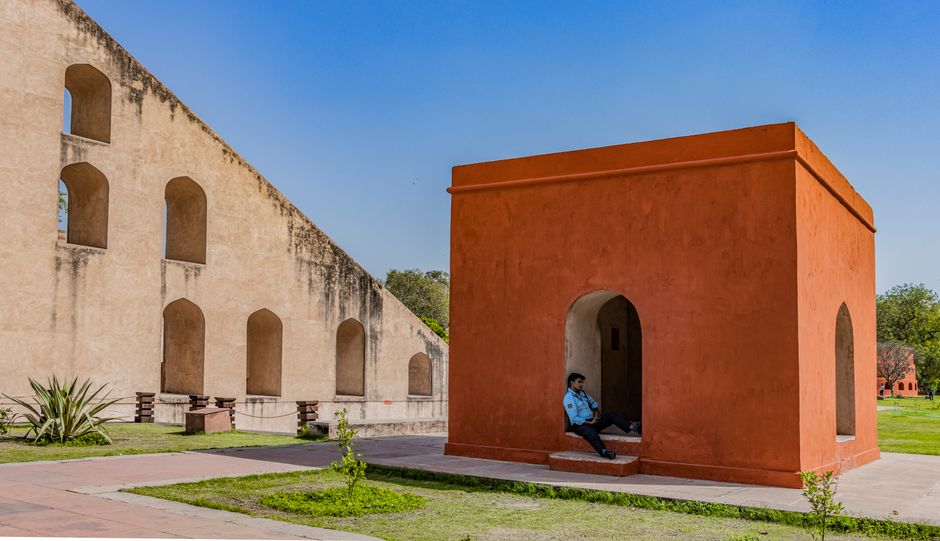
However, the backlash could be far more corrosive than any short‑term gain. By eroding a symbol of civic space, the state risks alienating a generation that has grown accustomed to visualizing dissent in the heart of the capital. The loss of a protected site may push activists into more precarious venues, increasing the likelihood of violent clashes and media‑friendly confrontations that could tarnish the government’s image both domestically and abroad.
Critics argue that the decision is merely a cosmetic re‑branding of an already tightening grip on public assembly, pointing out that existing public‑order statutes have long been used to suppress dissent. They also note that the move could backfire by galvanising a broader coalition of civil society groups, who may rally around the very idea of preserving a historic protest space. In this light, the denotification could become a rallying cry, much like the original purpose of Jantar Mantar itself.
On the other hand, supporters of the policy claim that the site’s open‑access status has been abused by fringe elements, turning peaceful protest into a platform for hate speech and incitement. They argue that a neutral, permit‑based system would level the playing field and ensure that demonstrations are organized responsibly, without jeopardising public safety.
Nevertheless, the broader implication stretches beyond a single square in Delhi. It signals a shift in how the Indian state envisions the geography of dissent, moving from designated zones to a more fluid, and potentially more repressive, approach. The decision could set a precedent for other historic sites across the country, prompting municipalities to reconsider the legal protections they afford to public squares, parks, and even university campuses.
If the government’s aim is to curtail the volume of street protests, the denotification might achieve a short‑term dip in visible activism. Yet history teaches us that squeezing dissent in one corner only forces it to emerge elsewhere, often with greater intensity. The marble steps of Jantar Mantar may no longer be a legally sanctioned stage, but the spirit of protest is unlikely to be contained by a bureaucratic decree.
In the end, the denotification is less about the bricks and more about the power dynamics it reveals. Delhi’s streets have always been a barometer of the nation’s political climate; when the state decides to erase a legal sanctuary, it is essentially rewriting the rules of engagement. Whether this will silence the crowd or amplify their resolve remains to be seen, but one thing is certain: the fight over public space in Delhi has just entered a new, more contested chapter.
Only time will tell if the loss of a historic protest venue will dampen the roar of dissent or simply echo louder from wherever citizens choose to gather next.
Source: BBC Asia