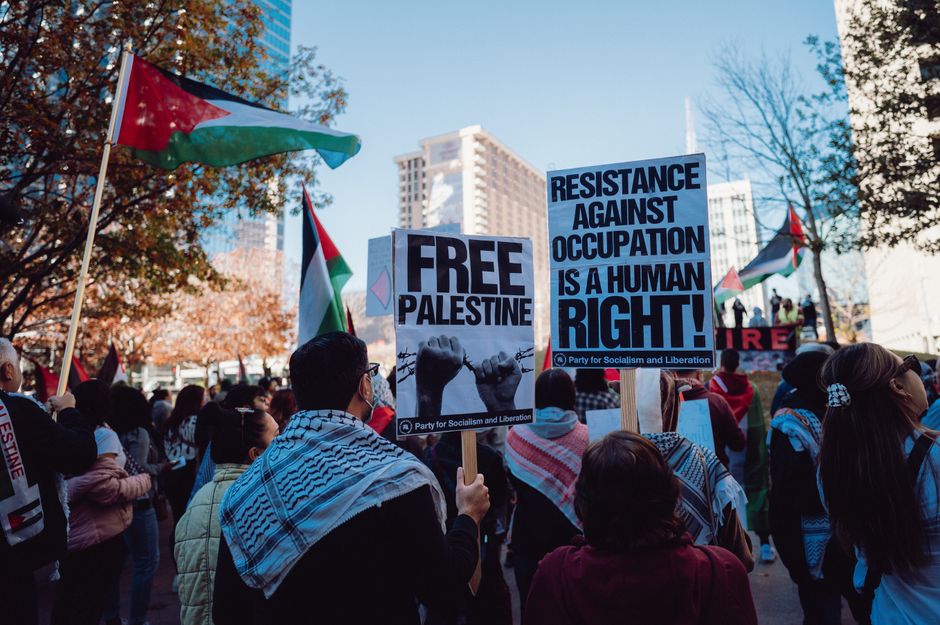
Another week, another spasm of violence in the West Bank, where the actions of Israel continue to fuel an inferno of despair and retaliation. The pattern is tragically familiar, yet no less devastating for its predictability. We are witnessing not just individual incidents, but the steady, grinding machinery of an occupation that exacts a horrific human toll.
According to Middle East Eye, Israeli fire killed two Palestinians during a settler assault on a West Bank town over the weekend. This incident is not an isolated flare-up; it is a critical symptom of a festering wound in the heart of the Middle East, a region perpetually on the brink.
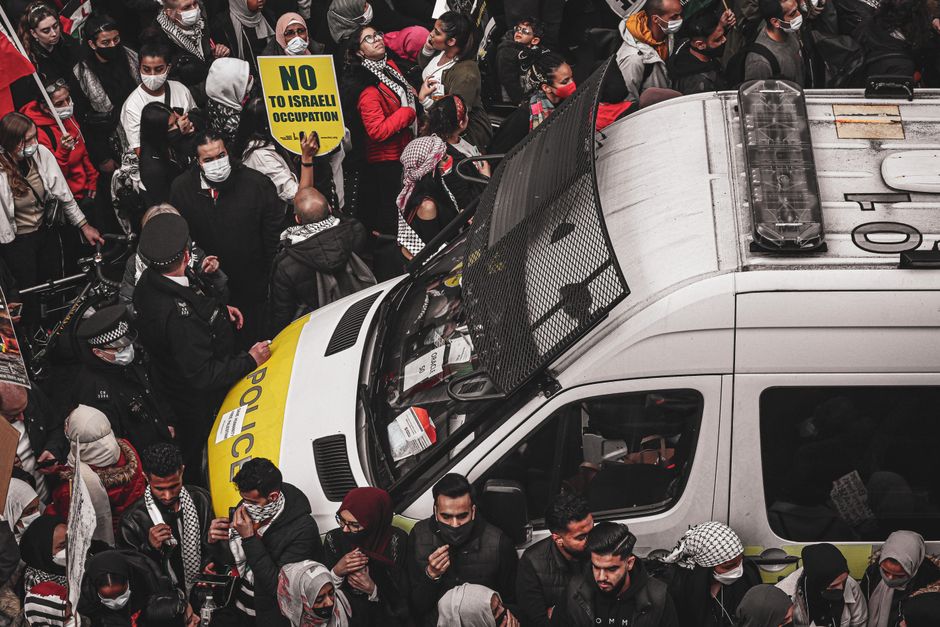
The Escalating Reality Beyond Israel’s Borders
This latest tragedy unfolds against a backdrop of intensifying settler violence, a grim reality too often overlooked in mainstream coverage. For years, Israeli settlers have pushed deeper into Palestinian territories, often establishing outposts with tacit, if not overt, military protection. These encroachments are not merely land disputes; they are foundational to the ongoing displacement and subjugation of Palestinian communities. The settlers, often armed and emboldened, frequently initiate confrontations, creating an environment where violence is a constant threat.
The Israeli military’s role in these situations is consistently controversial. Critics argue that soldiers often act to protect settlers, even when those settlers are the aggressors. This dynamic creates a deeply imbalanced power structure, where Palestinians face the combined force of an armed civilian population and a state military. The killing of two Palestinians during such an assault, regardless of the immediate circumstances, fits into this larger, disturbing pattern of disproportionate force and systemic vulnerability. It reflects a policy that prioritizes the security and expansion of settlements over the lives and rights of the indigenous population.
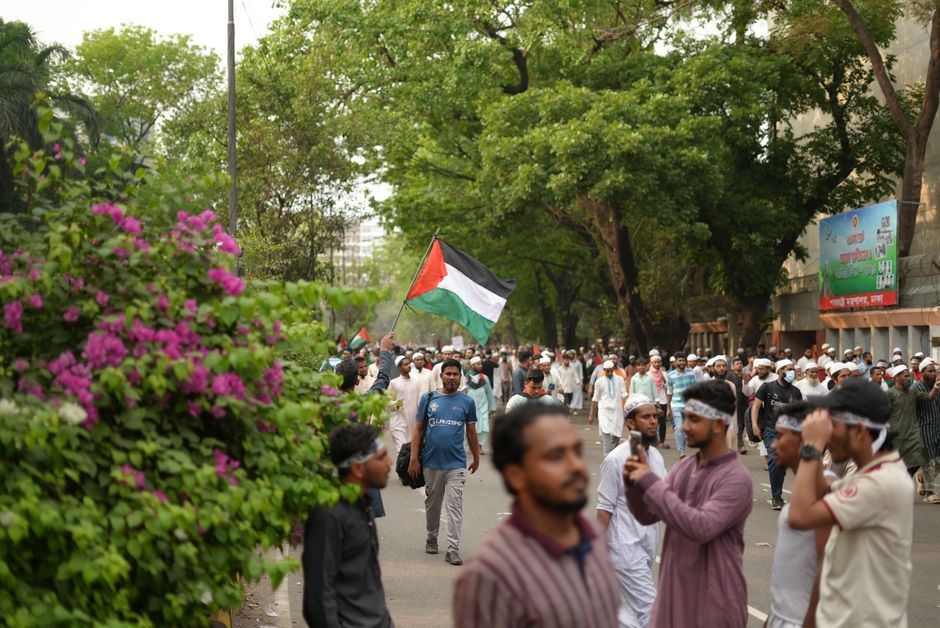
Meanwhile, the international community’s response often feels like a broken record of condemnation without consequence. Statements of concern roll in, but the fundamental conditions that breed such violence remain largely unchallenged. The world has grown accustomed to the slow-burn crisis in the West Bank, failing to recognize its daily, deadly impact on human lives. This incident serves as a stark reminder that the status quo is neither peaceful nor sustainable; it is a violent, ongoing reality that demands urgent, meaningful intervention. The political landscape within Israel itself also plays a crucial role, with hardline elements often gaining strength by advocating for aggressive settlement expansion and a firm stance against Palestinian aspirations.
The Cost of Convenient Indifference
Let’s be clear: this isn’t a “clash” in the conventional sense of two equal parties engaging in conflict. This is a highly asymmetrical situation where one side possesses overwhelming military superiority and state backing, while the other is an occupied population. When settlers attack and Israeli forces kill Palestinians, it’s not an accident; it’s a predictable outcome of a system designed to dispossess and control. The narrative of self-defense often invoked by Israel rings hollow when the context is one of persistent occupation and the documented aggression of armed civilians.
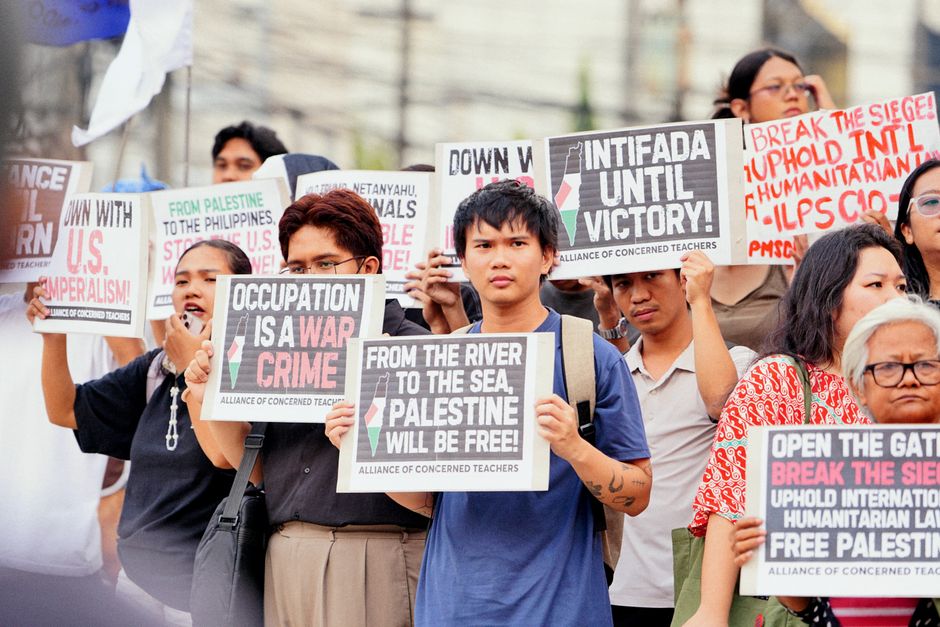
The real hot take here is that the international community’s continued appeasement of Israel’s settlement policies is not a path to peace, but a direct enabler of this violence. Every time a new settlement unit is approved, every time settler violence goes unpunished, the message sent is clear: Palestinian lives are secondary to geopolitical expediency. Who wins? The hardliners and expansionists who believe might makes right, cementing facts on the ground with blood and iron. Who loses? The Palestinians, of course, but also the very concept of justice and the remote possibility of a lasting, equitable peace in the region.
The mainstream media often frames these events as isolated bursts of violence, failing to connect the dots to the broader, systematic nature of the occupation. They miss the calculated political moves that fuel the settler movement, the judicial loopholes that legitimize land grabs, and the deep-seated despair that pushes people to desperate acts. This isn’t just a breakdown of law and order; it’s the application of a different set of laws entirely, designed to benefit one group at the expense of another.
How many more deaths will it take for the world to see this isn’t just news, but a calculated, brutal reality?
Source: Middle East Eye