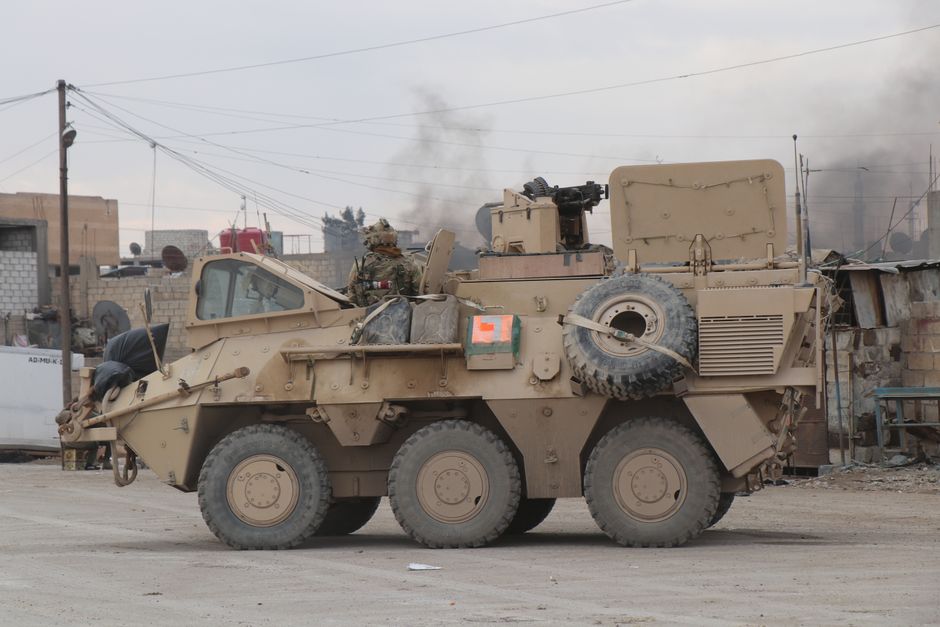
Another day, another escalation in the Middle East, and the world holds its breath, wondering if the tripwire has finally been sprung. The latest move targeting infrastructure in Iran isn’t just about bridges; it’s a loud, dangerous whisper of wider conflict, a stark reminder of the region’s volatile dance with war.
According to NewsNation, the United States military recently conducted operations that resulted in the taking out of Iranian bridges. Concurrently, US officials have moved swiftly to refute claims circulating about captured American personnel, dismissing such reports as unsubstantiated.
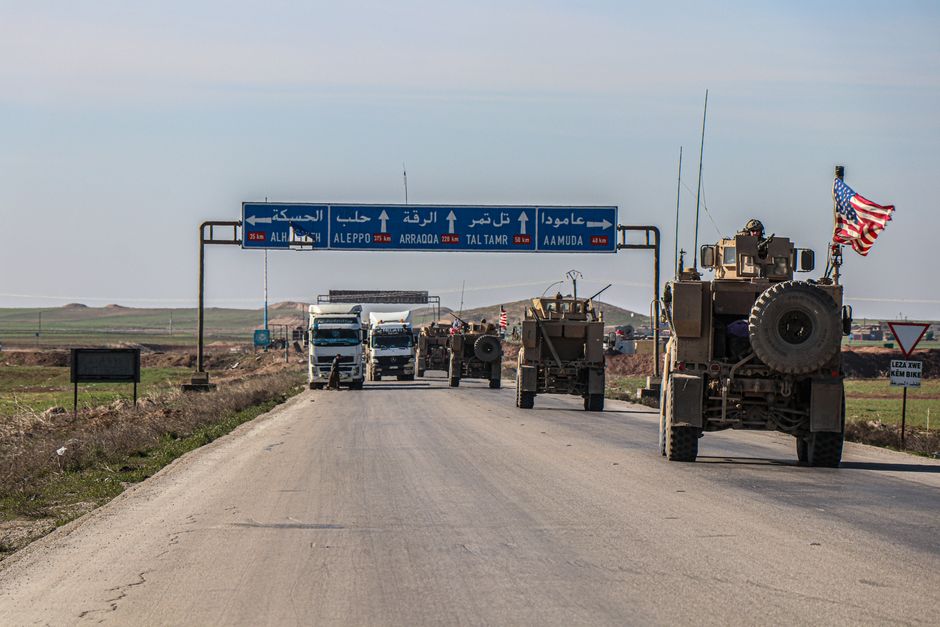
The Escalating Pressure on Iran
This isn’t an isolated incident; it’s a piece in a much larger, uglier puzzle. The destruction of bridges, often strategic targets, aims to disrupt logistical capabilities. It suggests an intent to hamper the movement of resources, personnel, or even proxy forces that Iran supports across its borders or within its sphere of influence. This action comes after years of simmering tensions, cyberattacks, proxy skirmishes, and a constant, uneasy standoff over nuclear ambitions and regional hegemony.
The players are well-known: the US, asserting its role as a regional guarantor of security and a bulwark against perceived Iranian aggression; and Iran, committed to projecting its power, supporting allies, and challenging what it views as Western meddling. This dynamic has fueled conflicts from Yemen to Lebanon, with Iraq often serving as a grim battleground for influence. The US denial of captured personnel, meanwhile, speaks volumes about the information warfare that accompanies any military action in this highly contested arena. It highlights the immediate need to control the narrative, especially when facing an adversary known for its robust propaganda machine.
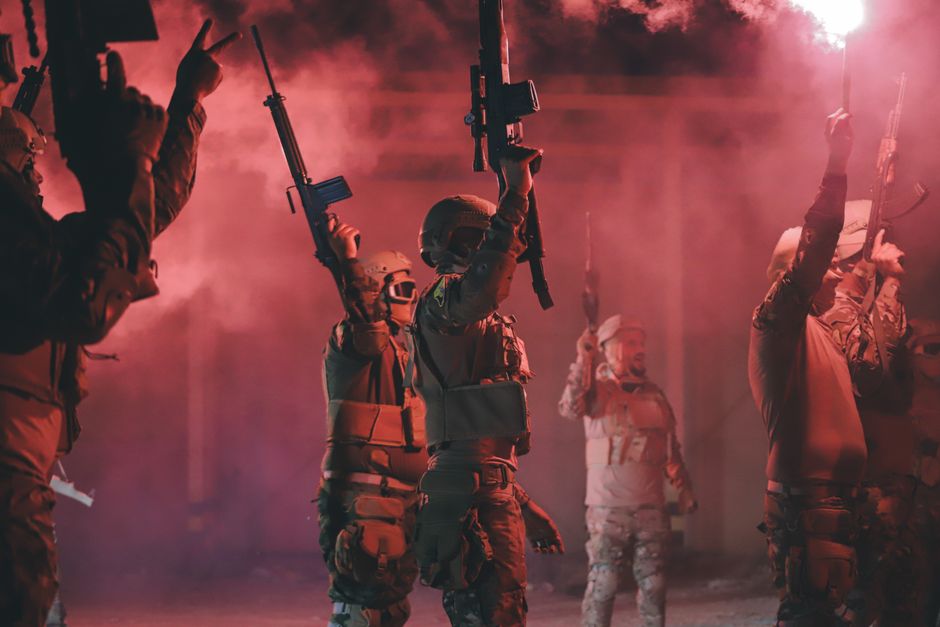
A Dangerous Game: The Unseen Costs
Let’s be blunt: targeting infrastructure like bridges is a significant escalation, regardless of the precise rationale. It moves beyond surgical strikes on specific military assets or personnel and enters the realm of disrupting broader national capacity. Who wins in this scenario? Short-term, perhaps the US feels it has delivered a message, demonstrating its capability and resolve. It might temporarily impede Iranian logistical flows, buying some operational advantage. However, the long-term prognosis is far less clear and far more perilous.
Iran, a nation with a deep sense of historical grievance and a formidable, if unconventional, military doctrine, rarely absorbs blows without attempting to retaliate. The mainstream narrative often downplays the strategic patience and asymmetric warfare capabilities Tehran possesses. They might not respond directly in kind but could activate proxies, target shipping lanes, or launch cyberattacks against US interests. The real losers are the people caught in the middle, the stability of an already fractured region, and potentially, the global economy. Every such strike pushes the region closer to a full-blown confrontation, a conflict that no one, not even the hawks in Washington or Tehran, can truly control once unleashed. The risk of miscalculation, of an unintended consequence spiraling into an all-out war, grows exponentially with each bridge destroyed, each claim refuted, and each passing day of escalating tension.
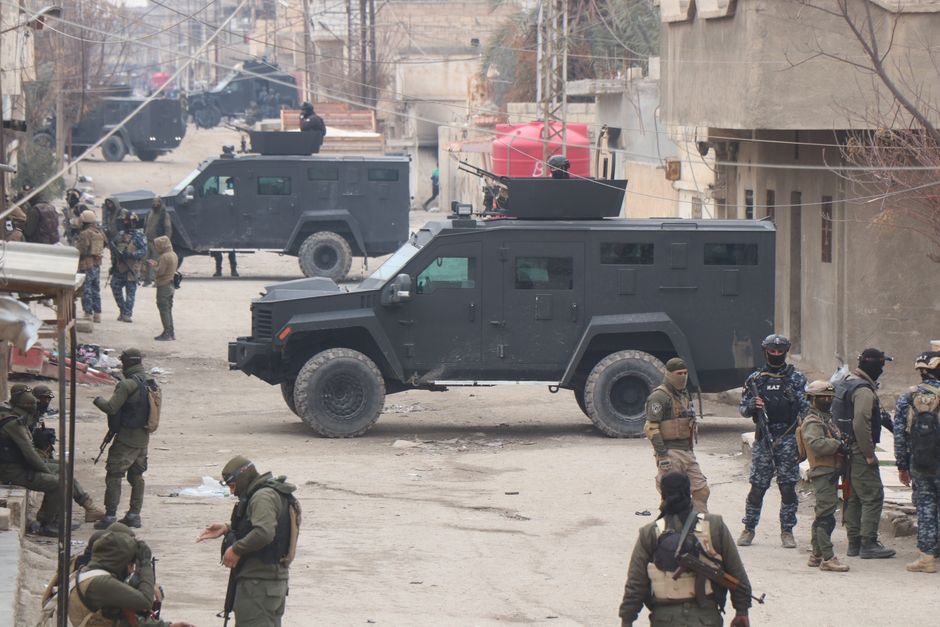
This latest move isn’t a solution; it’s a gamble. A desperate roll of the dice in a game where the stakes are human lives and regional peace. When will the players realize they’re not just moving pieces on a chessboard, but igniting a powder keg?
Source: Google — Middle East