
The latest news from Nairobi offers a stark reminder that in an interconnected world, health crises are never truly contained, and public health is as much about optics as it is about epidemiology. The quarantine of seven American humanitarian workers provides a telling window **Inside Kenya’s** proactive — and highly visible — approach to managing global health risks.
This week, the spotlight fell on Kenya as it implemented a 21-day medical observation period for a group of American aid workers. These individuals, serving in a humanitarian capacity, were placed under quarantine not because they displayed any symptoms of illness, but purely as a precautionary measure. Their arrival prompted a swift, decisive, and remarkably public response from Kenyan authorities, setting a tone for how the nation intends to manage potential cross-border health threats, particularly the spectre of Ebola.

The context is crucial: Africa has grappled with devastating Ebola outbreaks, and the memory of previous epidemics lingers. Kenya’s decision, therefore, reflects a deep-seated vigilance, amplified by the understandable anxieties of its populace regarding infectious diseases. The move, reported by standardmedia.co.ke, wasn’t just a clinical health measure; it was a clear statement of intent, broadcast for both domestic and international audiences.
What landed
What emerged most strongly from this situation is Kenya’s unequivocal commitment to public health security, even if it means erring on the side of extreme caution. The decision to quarantine individuals who are explicitly stated to be “not ill” sends a powerful message: Kenya will not compromise when it comes to containing potential infectious disease threats. This proactive stance, while perhaps burdensome for those involved, undeniably shows a government willing to enact stringent protocols to protect its citizens.
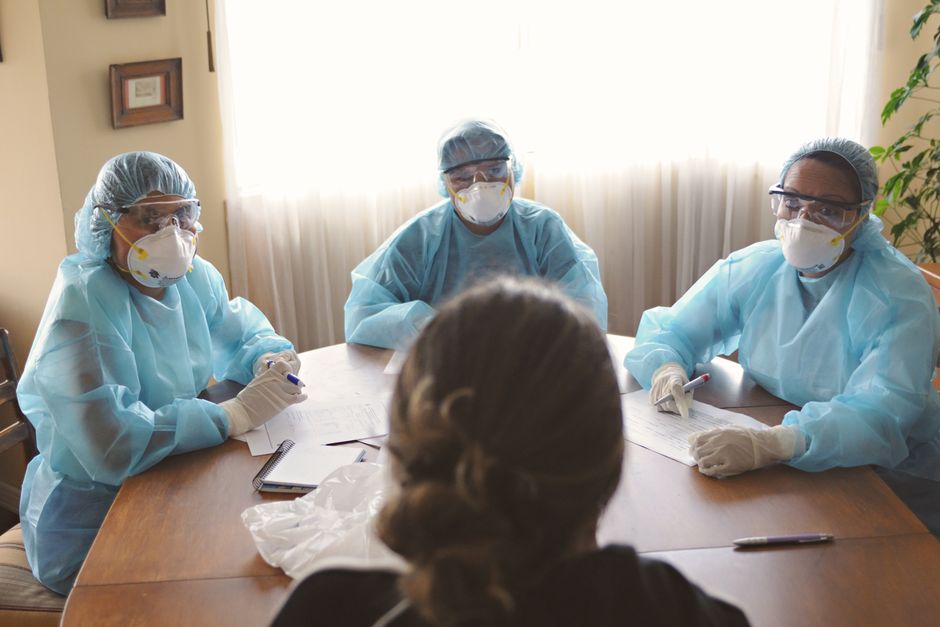
The transparency around the quarantine, and the reporting on “Kenya’s Ebola defences,” suggests an effort to reassure the public that robust systems are in place. For a nation that has historically faced challenges in health infrastructure, demonstrating such a capacity for swift, decisive action is a significant step. It underscores a strategic pivot towards prevention and early intervention, signaling to international partners that Kenya is a serious player in global health security, rather than merely a recipient of aid. The public nature of this specific quarantine, involving foreign nationals, also serves to elevate the perceived seriousness of their protocols, ensuring that no stone, or potential carrier, is left unturned.
What doesn’t add up
While the intent behind Kenya’s actions might be laudable, the specific choice to publicly quarantine individuals who are “not ill” raises a few eyebrows. One must ask if this is truly a medical imperative based on a concrete, high-risk exposure, or if it also serves as a potent piece of political theatre. If these aid workers displayed no symptoms and were not confirmed to have had direct, unprotected contact with infected individuals, then a 21-day public quarantine, while technically within protocol for Ebola, verges on the performative.
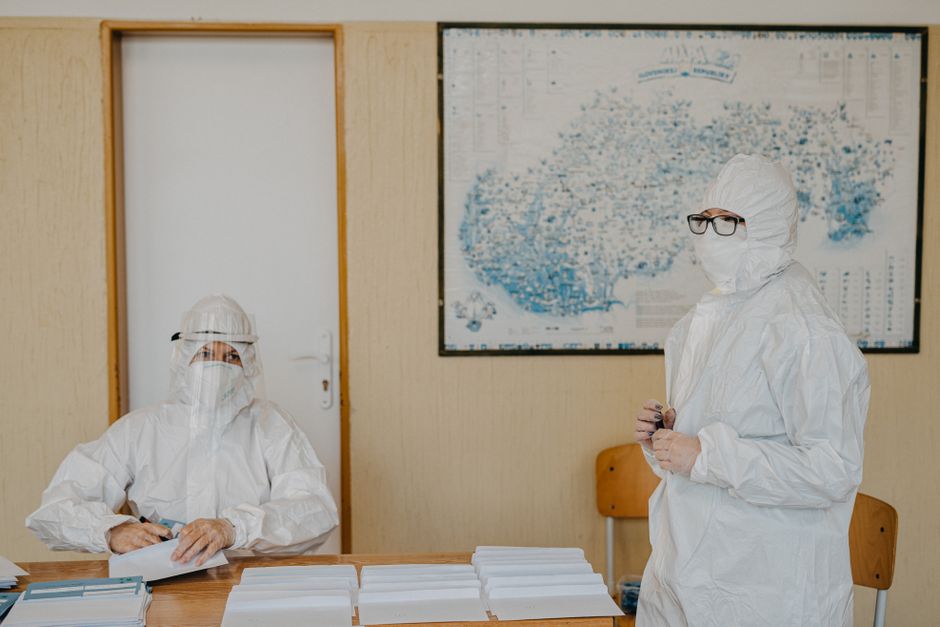
There’s a subtle but significant tension between the stated fact that the Americans are “not ill” and the drastic public measure taken. Is this an instance of an abundance of caution, or an abundance of messaging? The robust “defences” highlighted by the reporting aren’t just medical; they’re also about managing public perception and projecting an image of control. One wonders whether a similar, high-profile quarantine would be meted out with the same fanfare for a group of local citizens returning from a risk area. The visibility of foreign nationals in quarantine lends an air of seriousness, perhaps disproportionate to the actual immediate risk they posed, thereby potentially serving to assuage domestic anxieties more than to mitigate an imminent threat. This approach, while effective in demonstrating resolve, risks blurring the lines between genuine health crisis management and strategic public relations.
Come Monday morning, Kenya’s message will have resonated clearly: the nation is open for business, but only on its own uncompromising terms when it comes to public health. For humanitarian organizations, it signals an increased need for rigorous pre-deployment screening and clear communication regarding potential exposure. For the average Kenyan, it’s a visible assurance that the government is taking Ebola — and similar threats — seriously. But for keen observers, it’s a stark reminder that in the high-stakes game of public health, perception often dictates policy, and sometimes, a little showmanship goes a long way.
Source: OnTheRecord