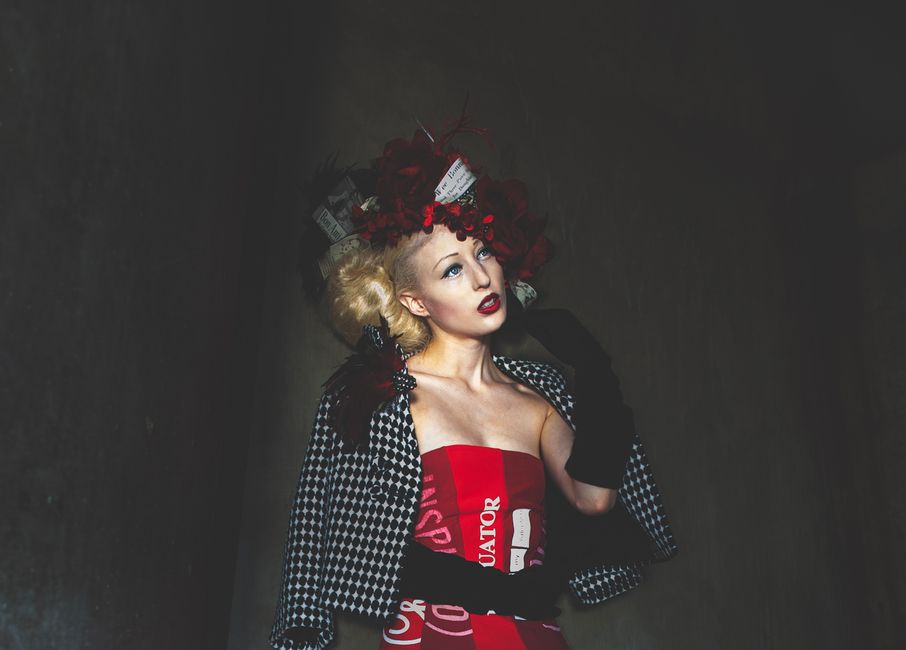
Does the fashion world even *want* to move forward anymore? Or is it content to perpetually raid its own archives, serving up yesterday’s genius as tomorrow’s innovation while claiming it’s charting new territory? This isn’t just a rhetorical question; it’s a genuine concern echoing through the halls of an industry that seems increasingly trapped in a loop.
According to Dazed Digital, the Metropolitan Museum of Art is planning a 2027 retrospective celebrating the work of John Galliano, an event already being framed as a benchmark for “peak fashion nostalgia.” This major exhibition will undoubtedly culminate in one of the most anticipated Met Galas in recent memory.
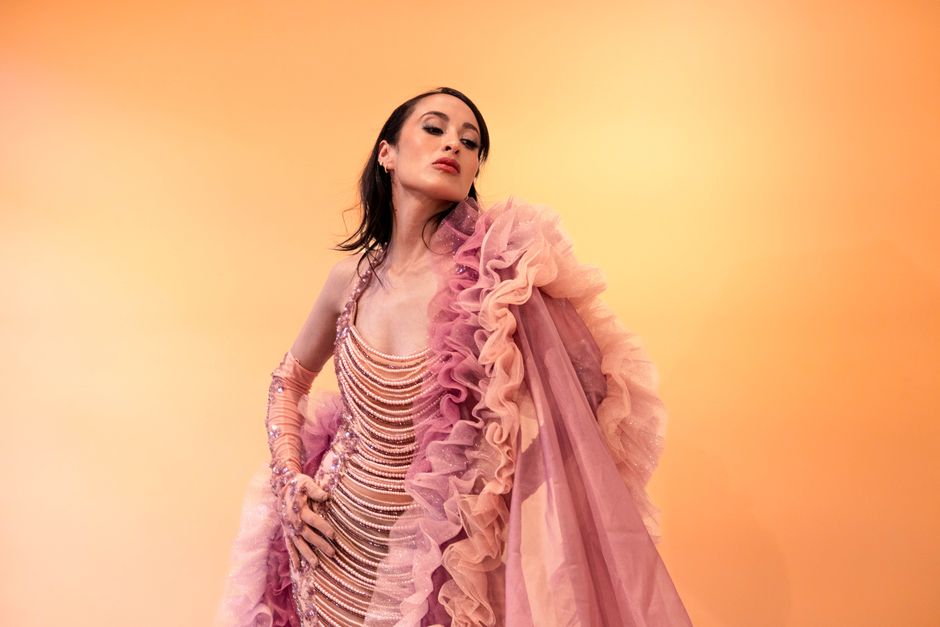
Does Fashion’s Past Define Its Future?
This isn’t merely another exhibition; it’s a full-blown Met Gala theme in the making, and its timing lands squarely in an era obsessed with reboots, vintage pulls, and endless trend cycles. John Galliano is an undeniable titan of design, a creative force whose theatricality and craftsmanship redefined couture for a generation. However, he is also a figure whose career trajectory is inextricably linked to public controversy and a spectacular downfall, followed by a slow, deliberate return to the mainstream, fueled by quiet backing and strategic re-entry.
The Met’s decision to dedicate such a significant event to him, especially one announced so far in advance, speaks volumes about fashion’s ongoing struggle with its own complex history. It highlights the industry’s persistent veneration of established figures, even those with complicated legacies. It also forces us to consider whether fashion is truly progressing or if it’s merely recycling its greatest hits, unable or unwilling to forge genuinely new paths forward.

This retrospective arrives at a crucial juncture. The industry faces unprecedented pressures from climate change, calls for ethical labor practices, and the relentless pace of digital consumption. Yet, the biggest, most high-profile celebrations often look backward rather than forward. One might argue that understanding history is essential for innovation, that Galliano’s genius remains relevant. However, the sheer volume of “nostalgia-bait” across the industry suggests a deeper reliance on the past than a mere academic interest.
The Retreat from the Future
This Galliano retrospective isn’t just a nod to nostalgia; it’s a symptom of a deeper malaise plaguing the fashion world. It signals a retreat from the future, a collective loss of nerve that prevents the industry from fully embracing truly disruptive change. Instead of channeling resources and attention toward genuinely groundbreaking sustainable innovations, embracing the fluid potential of digital fashion, or championing genuinely fresh aesthetic movements, the industry consistently retreats to the comfort of established giants and proven formulas.
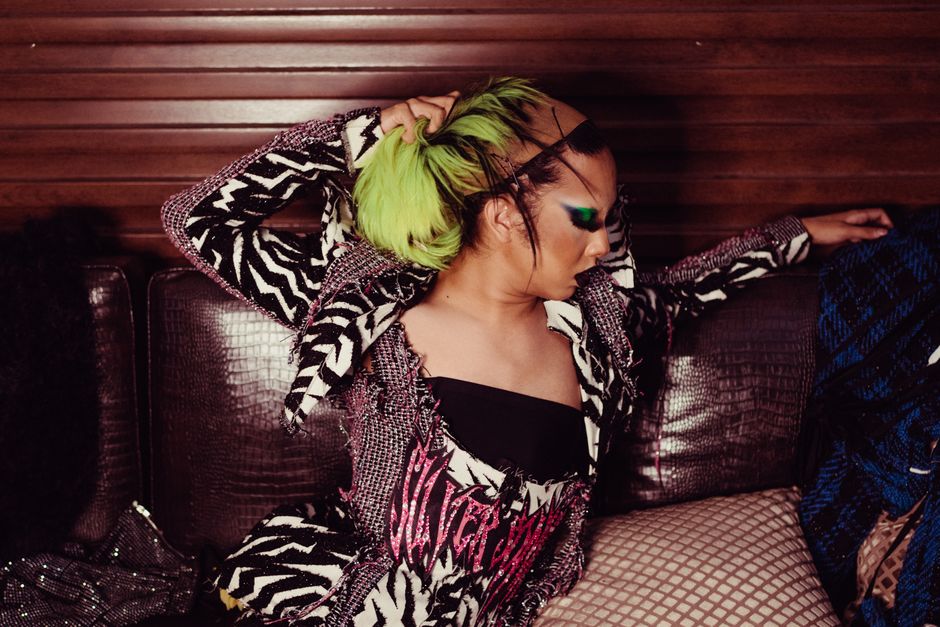
The industry talks a big game about innovation, diversity, and sustainability, yet the biggest stages and most coveted spotlight moments are still overwhelmingly reserved for the same old guard. Often, these are figures whose legacies are, to put it mildly, complex, and whose work, while brilliant, represents a vision of the past. This isn’t just about celebrating history; it’s about a distinct lack of imagination, a palpable fear of the unknown. It’s a collective shrug at the prospect of truly radical change.
Who wins in this scenario? The luxury conglomerates with vast archives and the financial might to repackage old ideas for new, hefty prices. They capitalize on the proven allure of a familiar name. Who ultimately loses? The genuinely innovative designers struggling for visibility, the emerging voices whose forward-thinking ideas are drowned out by the roar of retrospectives. Moreover, the consumer is left starved for authentic originality and a vision of what fashion could be, rather than what it once was.
The mainstream narrative will undoubtedly laud this Met Gala as a magnificent tribute to unparalleled genius. It will be framed as a necessary look back at a pivotal moment in fashion history. But this interpretation often sidesteps the uncomfortable truth: fashion’s overwhelming obsession with its past is actively hindering its evolution. It’s a refusal to grapple with the urgent demands of the present, let alone envision a truly bold, sustainable, and inclusive future. Does the industry have the courage to break free from its own gilded cage of nostalgia?
So, as we prepare to scroll through endless mood boards of archived runway looks and anticipate the inevitable Met Gala red carpet, we have to ask ourselves: are we witnessing a genuine celebration of genius, or the final, desperate gasp of an industry too afraid to look forward?
Source: NewsAPI:q