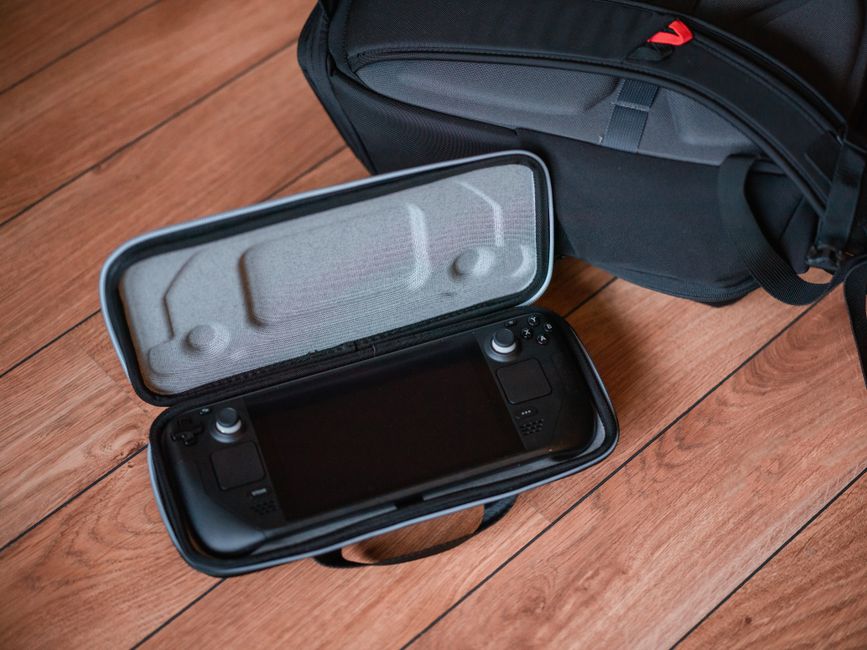
When a major player like Lenovo slashes prices on a premium device, it’s rarely just about clearing inventory. Instead, it signals a strategic chess move in a brutal market, especially for the Lenovo Legion Go S. We often celebrate a good deal, but sometimes the real story isn’t the discount itself, but what forced it into existence.
According to The Verge, the Lenovo Legion Go S, equipped with a Z2 Go processor and SteamOS, is now available at its lowest price ever. This significant discount comes at a time when memory and storage prices are expected to remain inflated for the foreseeable future.
Lenovo’s Strategic Pivot in Handheld Gaming
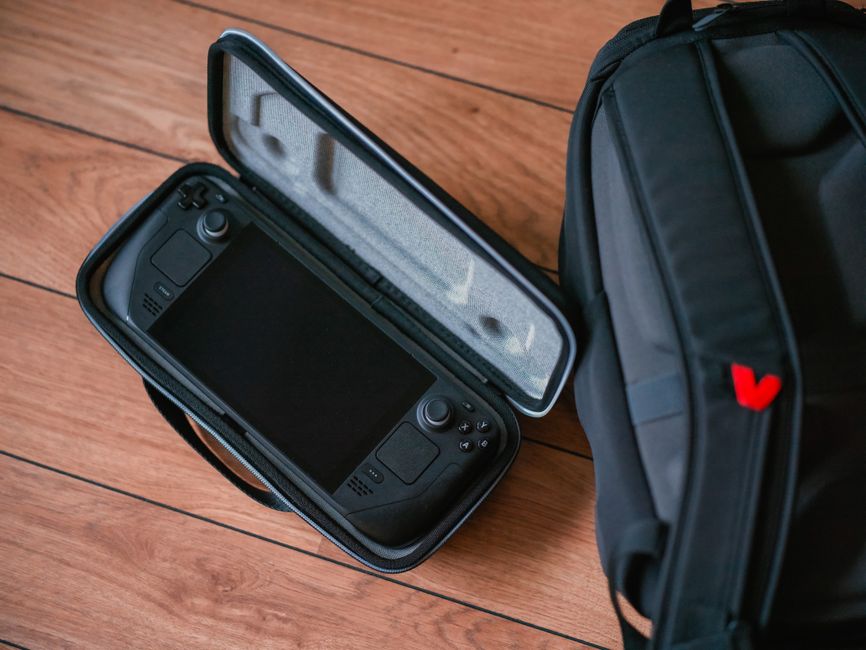
This isn’t merely a casual price drop; it’s a direct response to a fiercely competitive and economically challenging hardware landscape. The handheld gaming PC market has exploded, largely thanks to Valve’s pioneering Steam Deck, which proved there was a massive appetite for portable, PC-grade gaming. Suddenly, giants like ASUS and MSI jumped in with their own powerful, Windows-based offerings. Lenovo, with its Legion Go series, entered this fray with impressive hardware, but perhaps a less defined software identity.
The choice of SteamOS for the Legion Go S is particularly fascinating. Valve’s Linux-based operating system is specifically optimized for gaming and is the native environment for the Steam Deck. By embracing SteamOS, Lenovo isn’t just selling a device; it’s aligning itself, at least partially, with Valve’s ecosystem and vision for open-platform gaming. This decision carries significant implications, both for Lenovo and for the broader industry. It suggests a willingness to move beyond a purely Windows-centric approach, which has long been the default for PC gaming.
The ongoing inflation in memory and storage component costs adds another layer of complexity. Manufacturers are grappling with tighter margins and higher production expenses. For a device to hit its “lowest price ever” under such conditions indicates either incredibly aggressive cost-cutting elsewhere, or a deliberate strategy to capture market share at almost any cost. It could also suggest a desire to liquidate existing stock built under different pricing models before new, more expensive components force future units to higher price points. This is a high-stakes gamble in a market defined by razor-thin margins and rapid innovation.
The Shifting Sands of Handheld Dominance
This deep discount on the Lenovo Legion Go S with SteamOS is more than just a consumer perk; it’s a strategic maneuver that highlights the ongoing battle for supremacy in the handheld gaming space. On one hand, it’s a clear win for consumers. Access to powerful gaming hardware at a lower price point is always welcome, especially when economic pressures are tightening belts. However, the move also exposes the underlying tensions and competitive pressures within the industry. Is Lenovo trying to carve out a niche by offering a SteamOS alternative to Valve’s own hardware? Or is it a tacit admission that competing directly with Windows-based handhelds like the ASUS ROG Ally on raw performance and versatility is a tougher fight than anticipated?
The embrace of SteamOS is crucial here. While Windows offers unparalleled compatibility with a vast library of games and applications, SteamOS provides a more streamlined, console-like experience specifically tailored for gaming. This could be Lenovo’s attempt to appeal to users who value simplicity and optimization over the full flexibility of a Windows desktop. It could also be an indirect endorsement of Valve’s platform, strengthening the overall SteamOS ecosystem and potentially signaling a future where more hardware manufacturers consider it a viable alternative to Windows. This move could also put pressure on other manufacturers to consider their OS strategies, especially as they look for ways to differentiate in a crowded market.
The hot take here is that this isn’t just about selling units; it’s about shaping the future of handheld gaming. Lenovo is making a calculated bet on the appeal of a refined SteamOS experience and a competitive price point, even if it means sacrificing immediate profit margins. They are betting that establishing a strong foothold now, even at a reduced price, will pay dividends in brand loyalty and ecosystem participation down the line. The potential downside, of course, is that if the market doesn’t respond as hoped, or if component prices continue their upward trajectory, this aggressive pricing strategy could become unsustainable, leaving them vulnerable.
This discount isn’t just a temporary reprieve for your wallet; it’s a front-row seat to the evolving drama of the tech world. The real question isn’t just how much you save, but what long-term impact this kind of market pressure will have on innovation, competition, and ultimately, the choices available to gamers in the years to come.
Source: The Verge