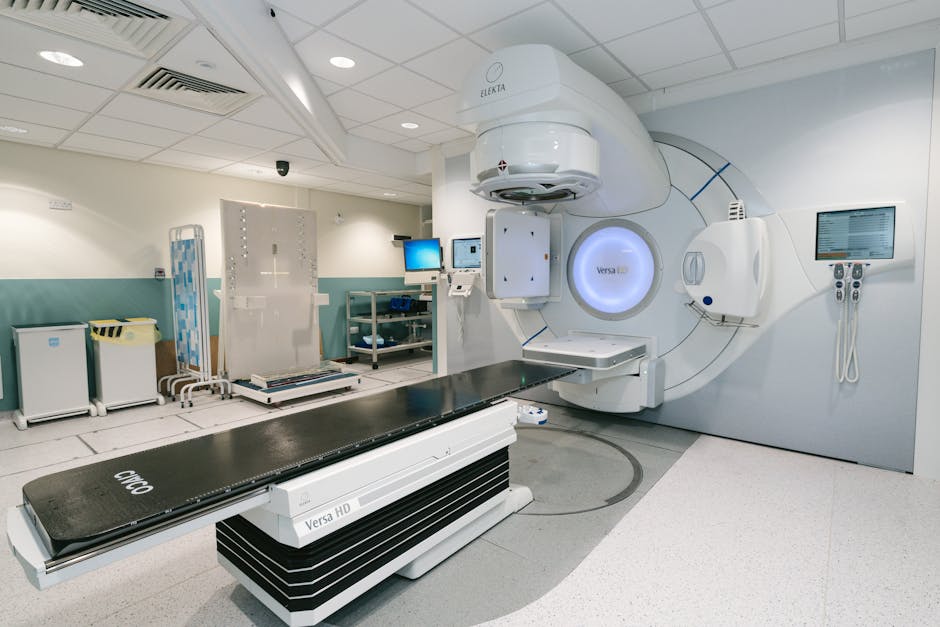
Artificial intelligence Game frames the debate here: Is artificial intelligence in oncology a revolutionary breakthrough or just smoke and mirrors? As the integration of AI in cancer treatment continues to evolve, the stakes are incredibly high, and we must question whether this technology truly serves patients or merely serves the interests of corporations and data scientists.
Why artificial intelligence oncology matters now
According to CancerNetwork, advancements in AI are reshaping oncology trials, workflows, and patient outcomes. These technological innovations are being positioned as game-changers in how we approach cancer treatment, with the promise of more personalized therapies and efficient clinical trials.
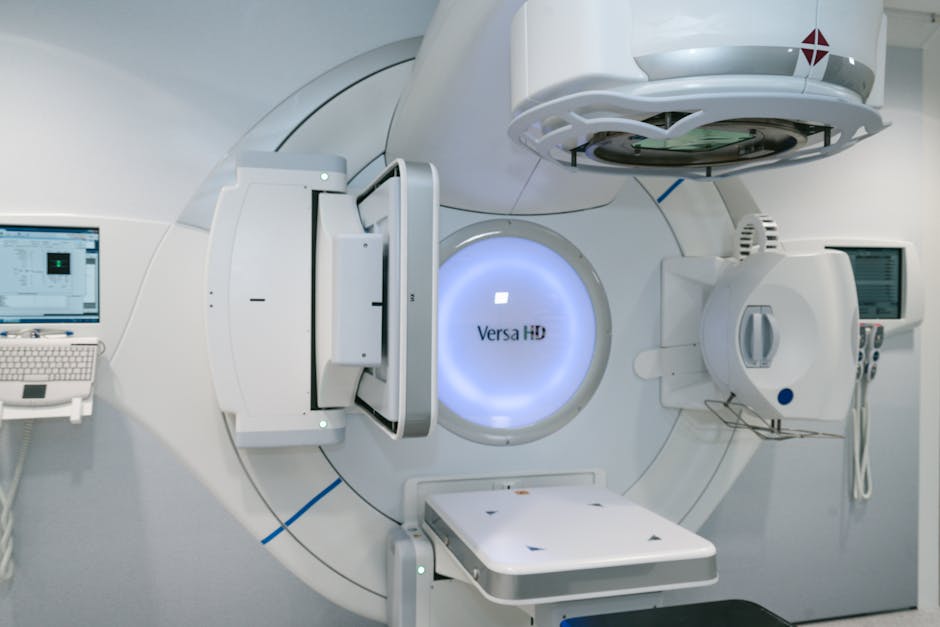
Why is this shift happening now? The COVID-19 pandemic accelerated the adoption of digital tools in healthcare, pushing the boundaries of what AI can accomplish in a field notoriously resistant to change. The players involved run the gamut from tech giants with deep pockets diving into healthcare, to small startups eager to prove their algorithms can outperform traditional methods. Meanwhile, oncologists are left navigating this rapidly shifting landscape, often with little training on how to incorporate these powerful tools.
The stakes around artificial intelligence oncology
Here’s the hot take: while AI undeniably brings a wealth of data processing capabilities that can lead to breakthroughs in treatment protocols, the reality is far murkier. On one hand, we have the potential for significant advancements in precision medicine. On the other, we might be opening the floodgates to a system that prioritizes algorithmic efficiency over genuine patient care. The danger lies in the possibility that AI could standardize treatment protocols too rigidly, failing to account for the unique nuances of individual patients. In a field where every second can mean the difference between life and death, this could be catastrophic.
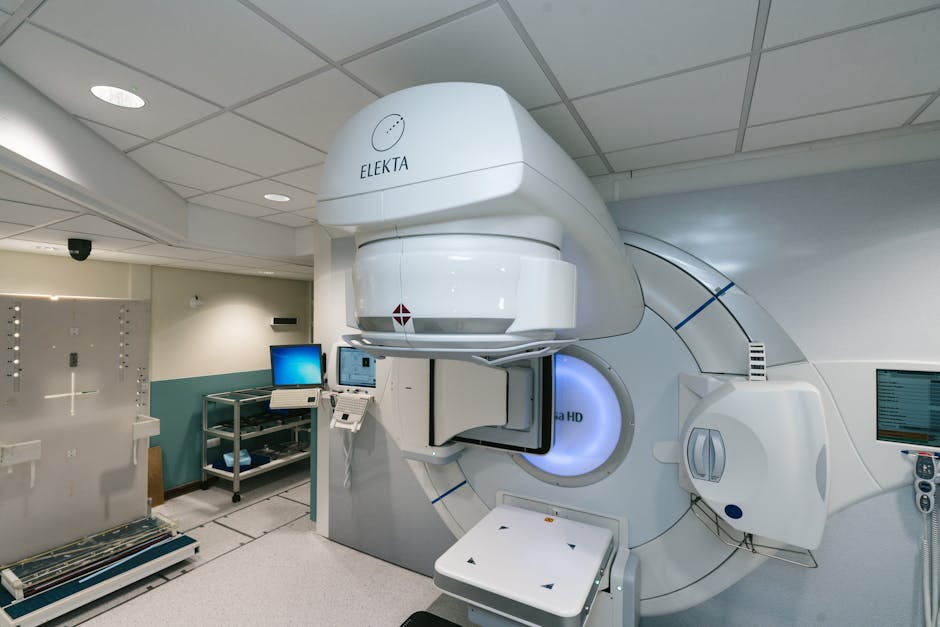
Moreover, the rush to embrace AI has sparked a gold rush mentality among many stakeholders, with big tech companies eager to stake their claim in what they perceive as an untapped market. But who will ultimately benefit from these advancements? Will it be patients receiving accurate diagnoses and tailored treatments, or shareholders watching their stock prices soar? The current trend suggests that while we may be in for some extraordinary innovations, we also risk commodifying healthcare, where patient needs could be overshadowed by the relentless pursuit of profit.
Let’s not forget the ethical implications lurking in the shadows. AI systems learn from historical data, which means they are only as unbiased as the data fed into them. If that data reflects systemic biases—such as underrepresentation of minority groups in clinical trials—then the technology will perpetuate these inequities. It’s a classic case of garbage in, garbage out, and it’s a problem that no amount of advanced algorithms can solve alone.
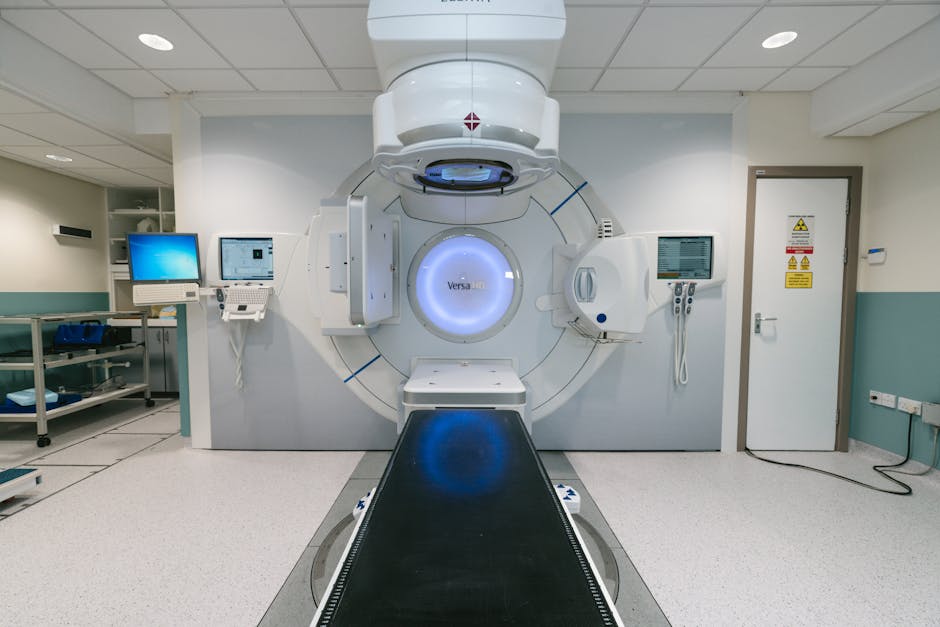
In the whirlwind of technological optimism, it’s crucial to maintain a critical perspective. As oncology adopts AI, the potential benefits are immense, but so are the risks. The integration of this technology should not be an unqualified endorsement; rather, it should be accompanied by rigorous oversight and ongoing ethical discussions to ensure that it enhances rather than undermines patient care.
In closing, as we stand on the precipice of this new era in cancer treatment, we must ask ourselves: can we truly trust technology to lead us to better health outcomes when the very people it’s designed to help could fall through the cracks? The future of oncology hangs in the balance, and it’s a future that demands our scrutiny, vigilance, and, above all, compassion.
Source: Google — Technology & AI
That tension around artificial intelligence Changer is not going away.
That tension around artificial intelligence Game is not going away.