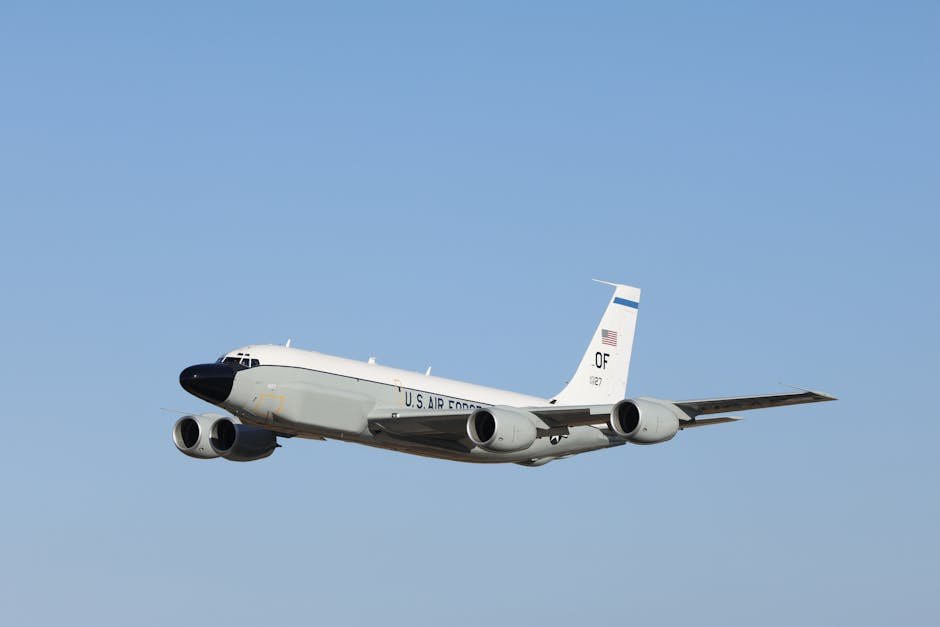
Iran slams frames the debate here: Iran has just delivered a blistering critique of U.S. military strikes, branding them a glaring sign of bad faith. In a region as tumultuous as the Middle East, such accusations are not just political theater; they reflect deeper tensions that remain unresolved.
According to PBS, Iran’s condemnation of the strikes is more than mere rhetoric; it is a calculated response to what they perceive as a breach of trust by the United States. The U.S. launched these attacks in response to ongoing regional conflicts, further complicating an already volatile situation.

The Stakes in the Middle East
This moment is critical for several reasons. As U.S.-Iran tensions simmer, the fallout from these strikes could ripple through the geopolitical landscape. Iran is not just any player in the Middle East; it is a key force influencing various proxy groups across the region, from Hezbollah in Lebanon to various factions in Iraq and Syria. The U.S., meanwhile, has vested interests in maintaining stability, especially concerning oil prices and alliances.
The history here is fraught with mistrust. Ever since the U.S. pulled out of the Iran nuclear deal in 2018, relations have deteriorated sharply. The recent military actions are a reflection of Washington’s escalating tactics aimed at curtailing Iranian influence. But as Iran continues to amplify its military capabilities, the cycle of aggression may well spiral out of control.
Hot Take: Who’s Winning?
Let’s cut to the chase: nobody is winning in this game of geopolitical chess. The U.S. believes it can project power and influence stability through military strikes, yet this tactic is often counterproductive. For Iran, the response is one of defiance and rallying of its domestic support, which is a classic play in their playbook. In essence, while the U.S. strikes aim to push Iran back, they may actually be fueling a sense of nationalism and resistance within the country.
What’s more worrying is that the mainstream media often overlooks the real implications of these conflicts. The hyper-focus on military might misses the underlying issues of economic stability, public sentiment, and the power of diplomacy, which should be at the forefront of any Middle East strategy. The potential for escalation into broader conflicts looms large. If both sides continue down this militaristic path, the region could see an uptick in violence that draws in neighboring countries and further destabilizes the already fragile balance.

In the end, all eyes should remain glued to the Middle East as this saga unfolds. The question is: do decision-makers have the foresight to pivot towards dialogue, or will they continue to lean on military might — a strategy that hasn’t yielded lasting peace in decades? Until then, we’re left to watch and wait in this high-stakes game where every move could have catastrophic consequences.
That tension around Iran slams is not going away.
Source: Google — Middle East