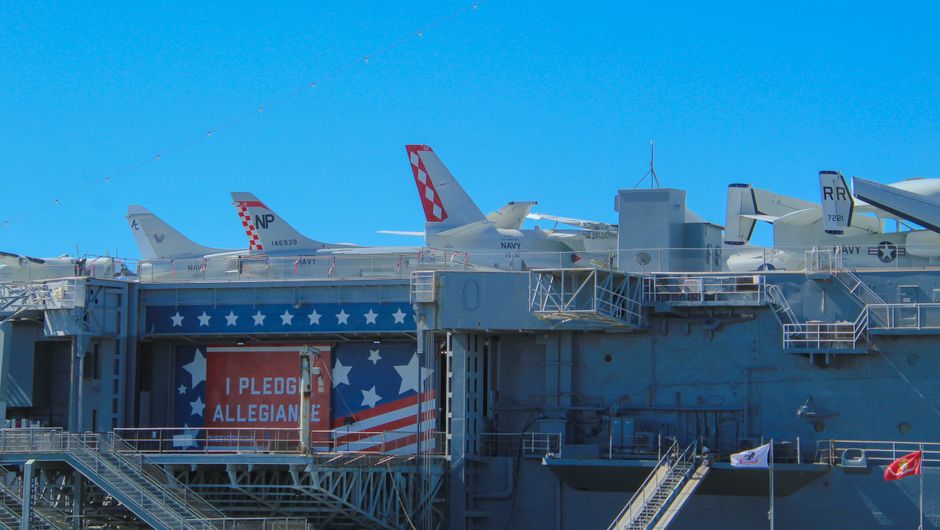
The arrival of a **new** aircraft carrier in the Middle East marks a significant inflection point, prompting a fresh look at regional stability and the enduring demands on naval assets.
This past week, a Pentagon spokesperson, in what felt more like a carefully managed briefing than a freewheeling discussion, addressed growing concerns surrounding the U.S. naval presence in the Middle East. The context was stark: reports from NPR highlighted issues with the long-deployed USS Abraham Lincoln, while The New York Times underscored the carrier’s extended deployment and the mounting concerns it sparked. The spokesperson’s mission, it seemed, was to project strength and resolve, even as the narrative shifted beneath their feet.
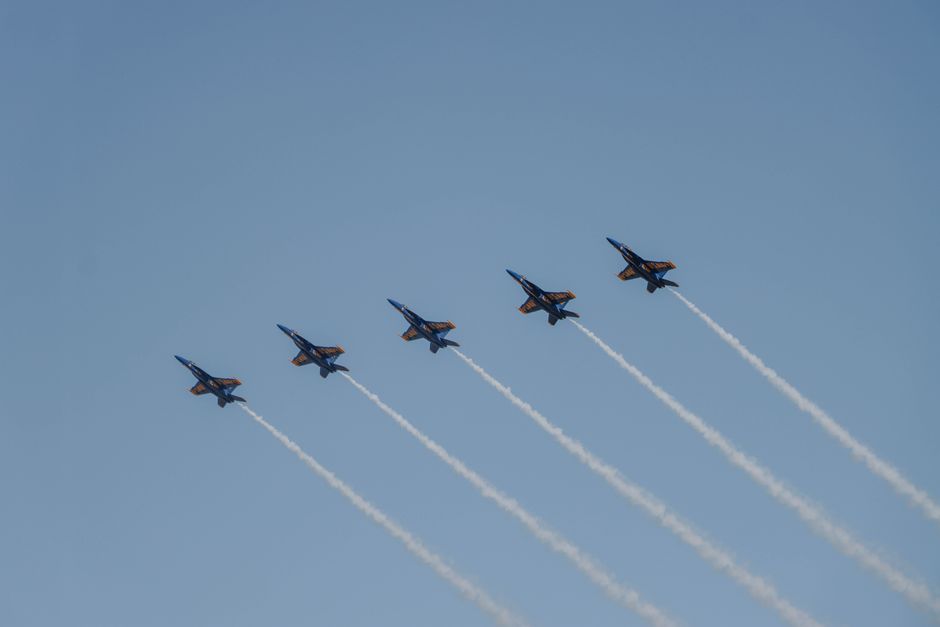
The interview, or rather, the public pronouncements surrounding this development, sought to calm choppy waters, both literally and metaphorically. The stakes are clear: maintaining deterrence in a volatile region, ensuring troop morale amidst prolonged deployments, and managing public perception of U.S. military readiness.
What landed
Despite the inherent challenges of discussing sensitive military deployments, the spokesperson did manage to project an image of decisive action. They confirmed the deployment of a new aircraft carrier to the Middle East, as initially reported by NPR, presenting it as a proactive measure designed to reinforce stability in a perpetually complex region. There was a notable effort to frame this as a strategic rotation rather than an emergency scramble.
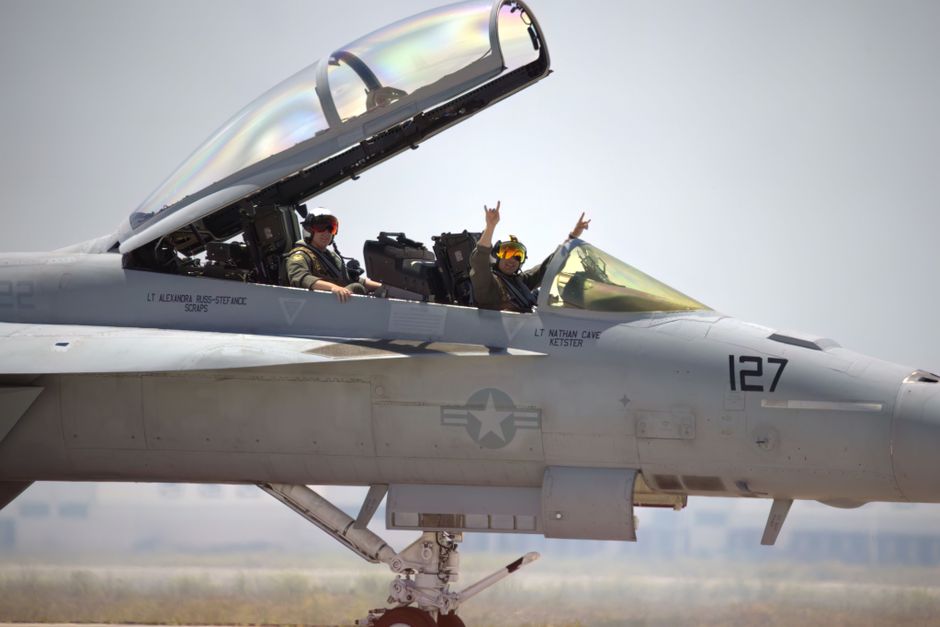
The implicit acknowledgement of the USS Abraham Lincoln’s situation, however understated, was also a moment of a kind of candor. While specifics were, predictably, sparse, the spokesperson did not outright deny the “prompting concerns” associated with the Lincoln’s months-long deployment, a fact highlighted by The New York Times. This subtle nod to reality, rather than a blanket dismissal, offered a sliver of credibility, suggesting that the Pentagon isn’t entirely deaf to external reports. It’s encouraging to see an administration willing to acknowledge the ground truth, even when it’s not entirely flattering. The message, however carefully packaged, was that the U.S. presence remains robust and capable of adapting to operational demands, even those unforeseen.
What doesn’t add up
While the push to reassure was evident, several points in the official narrative felt less like firm answers and more like artful dodges. The spokesperson was quick to emphasize the capabilities of the incoming **new** carrier, yet the exact nature of the “issues” plaguing the USS Lincoln remained shrouded in bureaucratic euphemism. To hear “prompting concerns” from The New York Times is one thing; to get a clear, unvarnished explanation from the military itself is another entirely. The vagueness leaves ample room for speculation, which, in matters of national security, is rarely helpful.
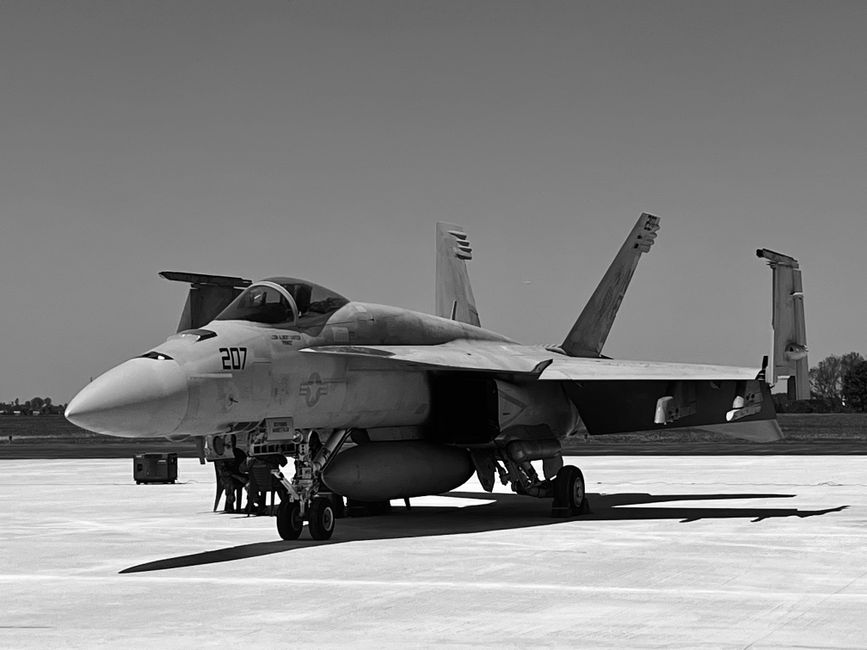
Moreover, the framing of this new deployment as a standard rotation, while technically true for any carrier movement, felt a touch disingenuous given the backdrop. One might recall earlier pronouncements that suggested existing deployments were entirely sufficient and sustainable. The sudden urgency for a “fresh” carrier, as the New York Times put it, inevitably raises questions about the long-term planning and sustainability of the U.S.’s global naval footprint. Was the Lincoln’s extended tour a calculated risk that simply went on too long, or was it a sign of deeper strains on the fleet? The interview, despite its best efforts, left that crucial question lingering, creating a subtle but perceptible tension with prior assurances of robust and unburdened naval capacity. It’s hard not to be a little skeptical when the narrative pivots from “all systems go” to “here comes the cavalry” quite so abruptly.
Monday morning, this deployment fundamentally shifts the calculus in the Middle East, signaling an undeniable escalation of U.S. commitment and capability. For those deployed on the USS Lincoln, it means a long-awaited path home. For regional actors, it’s a clear message of sustained American power. But for Washington, it also serves as a stark reminder that even the mightiest navies face operational limits, and that sometimes, a new coat of paint is needed to maintain the illusion of seamless strength. The challenge now is to ensure this new carrier’s deployment truly reinforces stability, rather than simply papering over deeper questions about naval readiness and strategic transparency.
Source: OnTheRecord