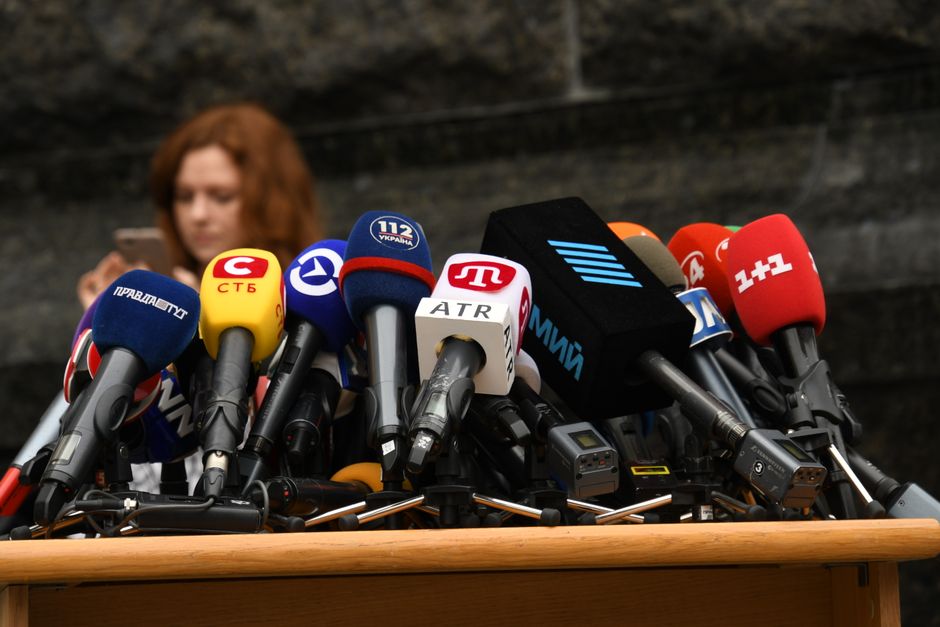
**On** the airwaves this week, we saw a familiar dance: a local news outlet, a civic leader, and a message meticulously crafted for maximum community warmth. The question, as always, is what truly emerged from the careful choreography.
WMTV 15 NEWS brought viewers an “On the Road” segment featuring Amber Giddings, President of the Friends of the Baraboo Zoo. Broadcast on a Friday, the interview positioned itself as a congenial peek into the vital role this auxiliary group plays for a beloved local institution. It was a classic local news setup: a feel-good story designed to celebrate community spirit and remind residents of their local treasures.

What landed
Ms. Giddings, to her credit, was a picture of dedicated advocacy. She competently articulated the Friends of the Baraboo Zoo’s core mission: to bolster the zoo through fundraising and volunteer efforts. The segment, as reported by WMTV 15 NEWS, highlighted the group’s commitment to supporting the zoo’s infrastructure and animal care, framing it as an indispensable partner in the zoo’s continued success.
Her emphasis on the zoo’s historical significance and its deep roots within the community was a particularly effective touch. This narrative plays well with local audiences, tapping into a sense of shared heritage and pride. It successfully underscored the emotional connection many residents likely feel towards an institution that has been a fixture for generations. Ms. Giddings’ message was clear: the zoo thrives when the community actively engages, and her organization provides the conduit for that engagement.

What doesn’t add up
While the interview certainly painted a positive, even idyllic, picture of a community rallying around its zoo, it conspicuously sidestepped anything remotely resembling a challenge. Ms. Giddings spoke broadly of “support” and “efforts,” but specific financial goals, recent fundraising successes (or shortfalls), or even the precise nature of the zoo’s needs were largely absent. One might wonder if the Friends of the Baraboo Zoo are so flush with “friends” that detailed figures are merely an administrative afterthought.
The segment felt less like an interview and more like a carefully managed public relations brief, presented without the customary journalistic prodding. There was no inquiry into potential operational difficulties, the ever-present debates surrounding animal welfare in captivity, or any recent controversies that might have necessitated a more robust “friends” group. The implicit narrative was that all is well, needing only continued, unspecified support. This omission leaves a critical gap for anyone hoping for a more comprehensive understanding of the zoo’s actual health or the specific hurdles its benefactors are aiming to clear. The “On the Road” format, while charming, seemed to preclude any detour into uncomfortable, yet pertinent, questions.
Monday morning, the Friends of the Baraboo Zoo will undoubtedly see a bump in general awareness, perhaps even a few new inquiries from potential volunteers. Yet, for those seeking a deeper understanding of the zoo’s true challenges or how their contributions would specifically address them, the interview offered little beyond a pleasant reminder that the zoo exists and could use some friends. One hopes that future engagements might trade some of the feel-good for a dash of hard-nosed transparency.
Source: Google — Leader interviews