The final hours before a momentous vote are often filled with last-ditch pleas and political maneuvering, but few interventions carry the weight of eternal consequence like the one delivered this week concerning the **French** euthanasia bill.
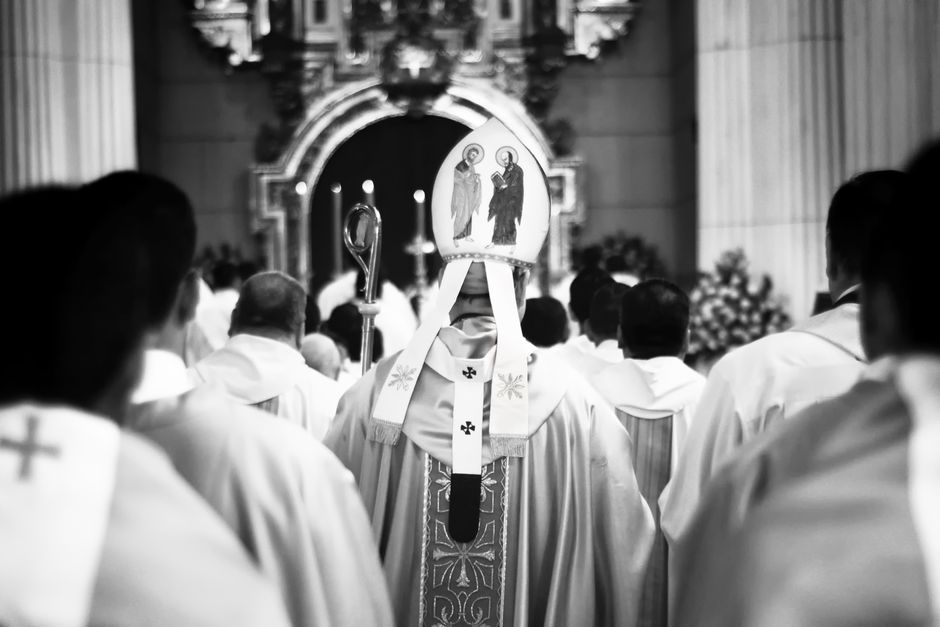
Bishop Marc Aillet of Bayonne has issued a stark warning ahead of France’s decisive legislative vote on July 15: any Catholic lawmaker who supports the proposed euthanasia bill “will no longer be able to receive Communion.” This isn’t just a pastoral suggestion; it’s a direct challenge to the conscience of elected officials, delivered at the eleventh hour, setting up an unprecedented clash between spiritual fidelity and legislative duty in a nation famously committed to secularism. The stakes for France, and for the Church’s role within it, have never been higher.
What landed
Bishop Aillet’s declaration, as reported by EWTN News, is unequivocally clear and remarkably forceful. He didn’t mince words, nor did he hide behind vague theological pronouncements. The message is simple: vote for this bill, and you forfeit a central sacrament of your faith. This isn’t a call for reflection; it’s a decree, a spiritual ultimatum laid directly at the feet of parliamentarians.
For those familiar with Catholic doctrine, the gravity of this statement is immense. The Church holds that euthanasia is a grave sin, a direct assault on the sanctity of human life from conception to natural death. To deny Communion is to declare that an individual has, through their actions, placed themselves outside the full communion of the Church. It’s a measure typically reserved for the most serious transgressions, signaling a profound break with fundamental tenets. Bishop Aillet has positioned the legislative act of supporting this bill as such a transgression, elevating the political decision to a matter of salvation.
The timing of this warning is equally significant. Issued just hours before the final vote, it aims to exert maximum pressure, forcing lawmakers to confront the religious implications of their political choices at the very moment they must cast their ballots. It’s a calculated move designed to sway votes and, perhaps more importantly, to firmly delineate the Church’s unyielding opposition to the measure, leaving no room for ambiguity among its flock.
What doesn’t add up
While the bishop’s stance is doctrinally consistent with the Catholic Church’s long-held opposition to euthanasia, the practical implications and underlying political calculations raise several questions that simply don’t quite add up in a modern, secular democracy.
Firstly, there’s the inherent tension between a spiritual leader dictating the legislative choices of elected officials. France prides itself on its *laïcité*, its strict separation of church and state. Bishop Aillet’s warning, however sincere, can easily be interpreted as an attempt to impose religious doctrine directly onto secular law-making through spiritual coercion. It forces Catholic lawmakers into an unenviable position: uphold the will of their constituents and face spiritual censure, or adhere to religious teaching and potentially defy their electoral mandate. This creates a fascinating contradiction in the very fabric of representative governance.
Furthermore, the enforceability of such a decree raises practical conundrums. How will this be monitored? Will priests in French parishes be tasked with scrutinizing voting records before administering the sacrament? The Church rarely takes such a public, generalized stance on specific legislative votes, preferring often to educate and persuade rather than issue blanket prohibitions. This aggressive posture, while clear, risks alienating a significant portion of the Catholic laity who may hold nuanced views on end-of-life care or prioritize their secular duties. It also begs the question of why this particular piece of legislation warrants such an extraordinary intervention, while other moral issues addressed by law might not elicit the same public threat.
Finally, the declaration doesn’t fully account for the political reality that many Catholic politicians operate within. These individuals are elected to serve a diverse electorate, not solely their co-religionists, and often navigate complex ethical landscapes that don’t always align perfectly with religious dogma. To demand absolute adherence to a single religious principle in a pluralistic society asks them to choose between two fundamental aspects of their identity – faith and public service – rather than seeking a way to integrate them. It’s a powerful statement of faith, but it might just be too blunt an instrument for the delicate machinery of modern governance.
Monday morning, regardless of the vote’s outcome, will see a fractured landscape. Catholic lawmakers who supported the bill will face a direct spiritual challenge, potentially leading to public controversy within their dioceses. The Church in France will have drawn a bold line in the sand, but at what cost to its relationship with the state and its own members? The immediate future promises not just legislative change, but a profound reassessment of faith, politics, and the boundaries between them in the Hexagon.
Source: OnTheRecord