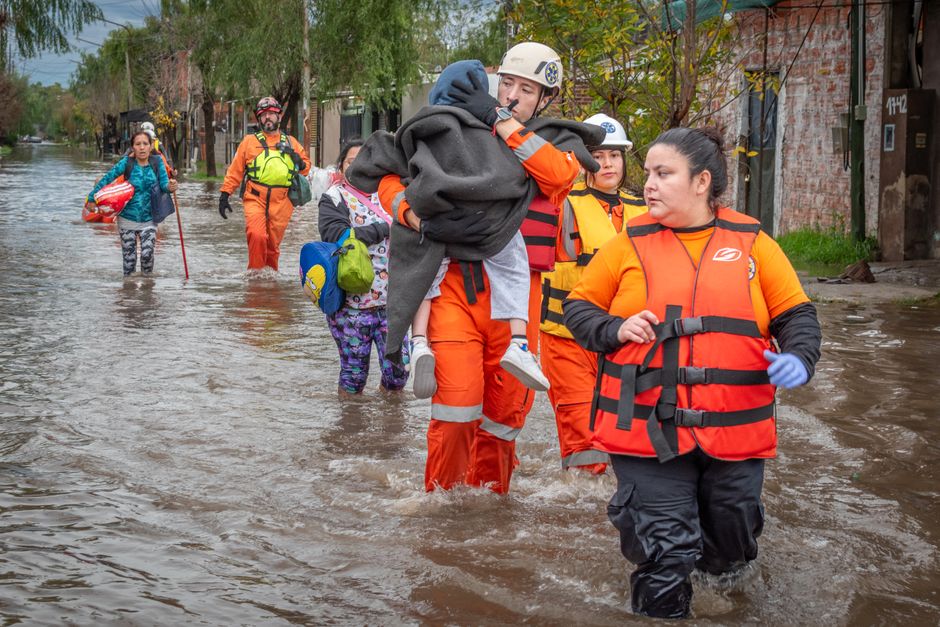
The world spins on, yet for millions, the same brutal realities hold sway, day in and day out. What passes for “top news” on any given *Today* often isn’t a fresh outrage. Instead, it’s the continued, grinding agony of forgotten crises, meticulously documented but rarely truly addressed. We are fed a steady diet of headlines, but few penetrate the true depth of human suffering these reports encapsulate.
According to OCHA, the United Nations Office for the Coordination of Humanitarian Affairs, the global spotlight *Today* falls on a grim roster of nations: Pakistan, Venezuela, the Occupied Palestinian Territory, the Central African Republic, and Cuba. This update highlights ongoing, severe humanitarian concerns across vastly different geopolitical landscapes, each demanding urgent and sustained attention.
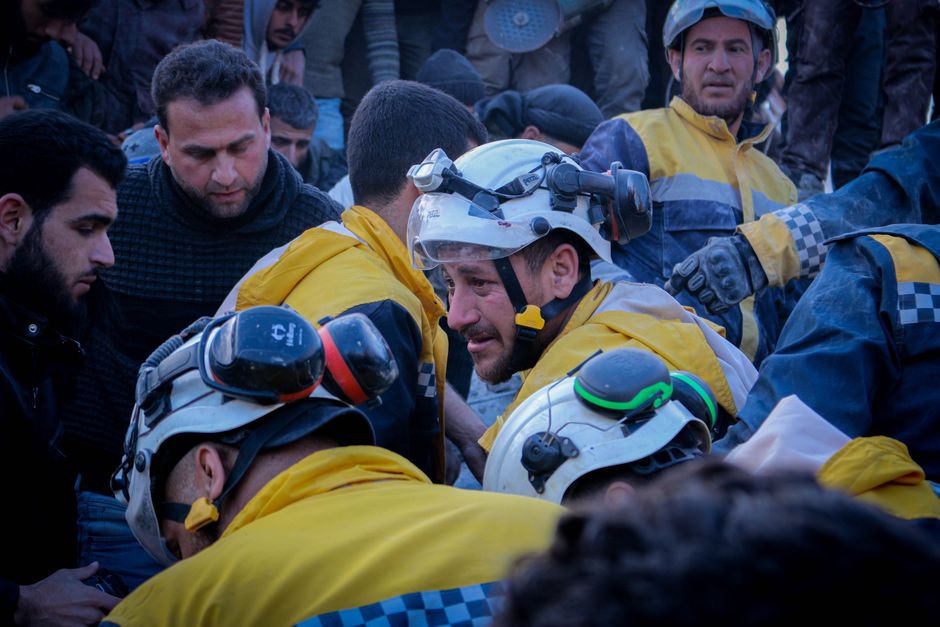
The Lingering Crises of Today
These aren’t isolated, one-off events; they are symptoms of deep-seated systemic failures and chronic instability. In Pakistan, for instance, we are not talking about a sudden natural disaster. Rather, it’s the relentless aftermath of previous cataclysms, compounded by severe economic fragility and persistent political turbulence. The nation consistently grapples with the devastating effects of climate change, from historic floods that displace millions to severe droughts that shatter agricultural livelihoods. Moreover, internal political jostling often diverts crucial attention and resources away from the pressing needs of its most vulnerable populations, leaving communities perpetually on the brink.
Meanwhile, the Occupied Palestinian Territory remains a flashpoint of a protracted struggle, where humanitarian needs are inextricably linked to political stalemates and ongoing occupation. Access to basic services, protection for civilians, and the sheer dignity of daily life are constantly under threat. Decades of unresolved conflict have fostered a profound dependency on international aid. While undeniably vital, this aid frequently manages only the symptoms rather than directly addressing the root causes of suffering and dispossession. The humanitarian situation there is a direct, agonizing mirror of the political will – or stark lack thereof – to find a lasting, equitable solution.
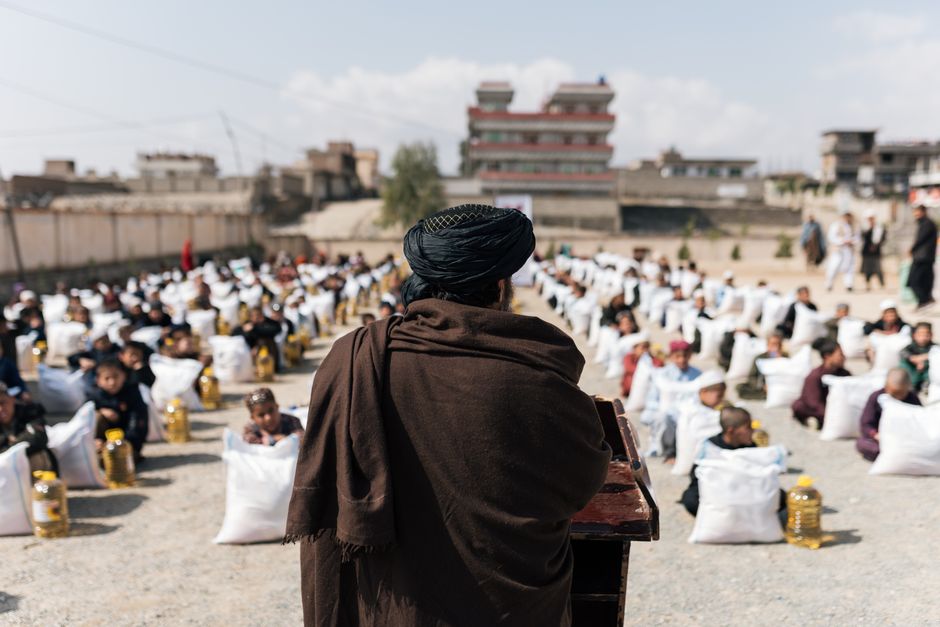
Elsewhere, Venezuela’s catastrophic economic collapse continues to drive a mass exodus, creating one of the largest displacement crises in the Western Hemisphere. The Central African Republic endures cyclical violence and profound instability, leaving its people caught in a desperate struggle for survival against overwhelming odds. And Cuba, isolated by decades of international sanctions and internal economic woes, faces persistent challenges in securing essential supplies for its citizens. These diverse yet equally dire crises, highlighted by OCHA *Today*, paint a stark picture of a world where fundamental human security is tragically far from guaranteed for many.
Geopolitical Chess and Human Cost
The OCHA report is less “news” and more a chilling inventory of global neglect. It serves as a testament to how the international community often prefers band-aid solutions over genuine commitment to conflict resolution and sustainable, equitable development. Who truly wins in this grim scenario? Frankly, no one truly wins in the long term, but often the political elites in these nations manage to retain their grip on power, even as their citizens bear the brutal brunt of the instability. The biggest losers, without question, are always the ordinary people – families displaced, children robbed of their futures, and entire communities torn apart by forces far beyond their control.
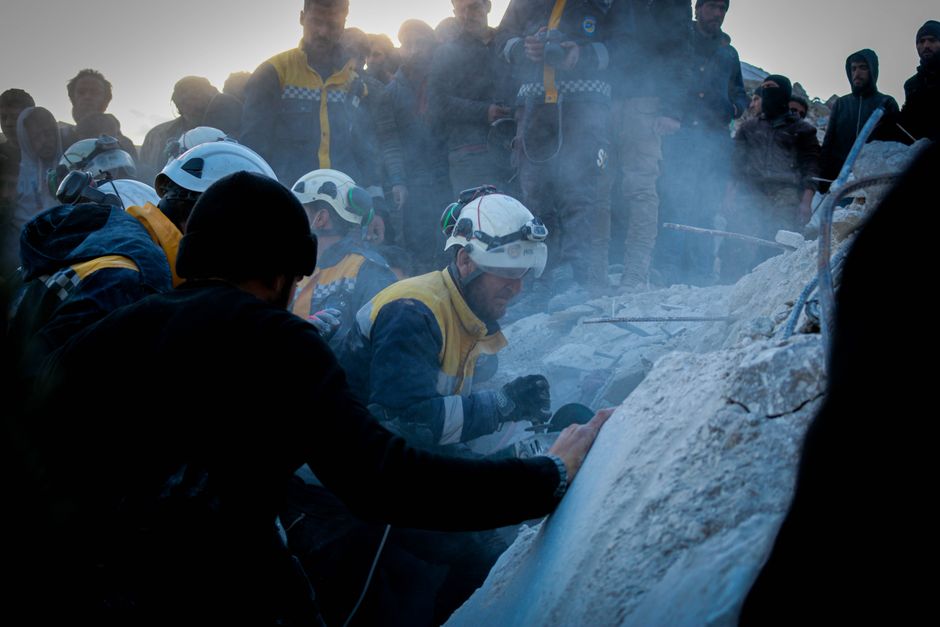
What the mainstream narrative frequently misses, or deliberately ignores, is the profound interconnectedness of these seemingly disparate crises. It’s not just about one country’s internal strife. It’s about global economic pressures, the enduring legacies of colonialism, and the often-cynical manipulation of international aid for geopolitical leverage. Consider the millions displaced in Pakistan due to floods: their immense suffering is a direct consequence of global climate inaction, disproportionately impacting nations with minimal historical emissions. Yet, responsibility for the disaster is often framed as solely an internal Pakistani issue, absolving wealthier nations of their critical role.
The irony is sharp and infuriating: while billions are poured into military spending or geopolitical proxy battles, the funds designated for sustained humanitarian relief and long-term development frequently dwindle. The selective outrage of the global North further exacerbates this issue. Certain crises garner immediate, high-profile media attention and donor pledges, while others, like the prolonged agony in the Central African Republic or parts of the Occupied Palestinian Territory, simply become background noise. This creates a dangerous precedent, fostering a belief that some lives are inherently more valuable or “report-worthy” than others, effectively normalizing neglect. A superficial engagement with these deep-seated issues ensures they fester, guaranteeing that OCHA will issue similar reports next week, next month, and next year, a never-ending cycle. The cycle of dependency deepens, and the prospects for genuine self-sufficiency recede further into the distance with each passing day. It’s not enough to simply acknowledge the suffering; we must confront the political and economic architecture that perpetuates it.
So, when we read about “top news” *Today*, let’s not just passively consume the headlines. Let’s ask why these stories are recurring tragedies, why the same names appear on this grim list time and again. What fundamental shifts in power, resources, and priority are truly required to break this devastating, predictable pattern? Or perhaps, we’ll just wait for OCHA’s next dispatch, highlighting the same forgotten crises, just with a different date stamped on top.
Source: Google — South Asia