What happens when a nation tries to cut its ties but ends up reinforcing them instead? That’s the paradox of Brexit, which is slowly but surely transforming the United Kingdom into a nation that’s more European than ever.
According to a recent report by streamlinefeed.co.ke, the repercussions of Brexit are reshaping the UK’s identity and relationships across the continent, making it increasingly difficult for the nation to detach itself from Europe. The ongoing changes highlight a significant evolution of the UK’s political and economic landscape.
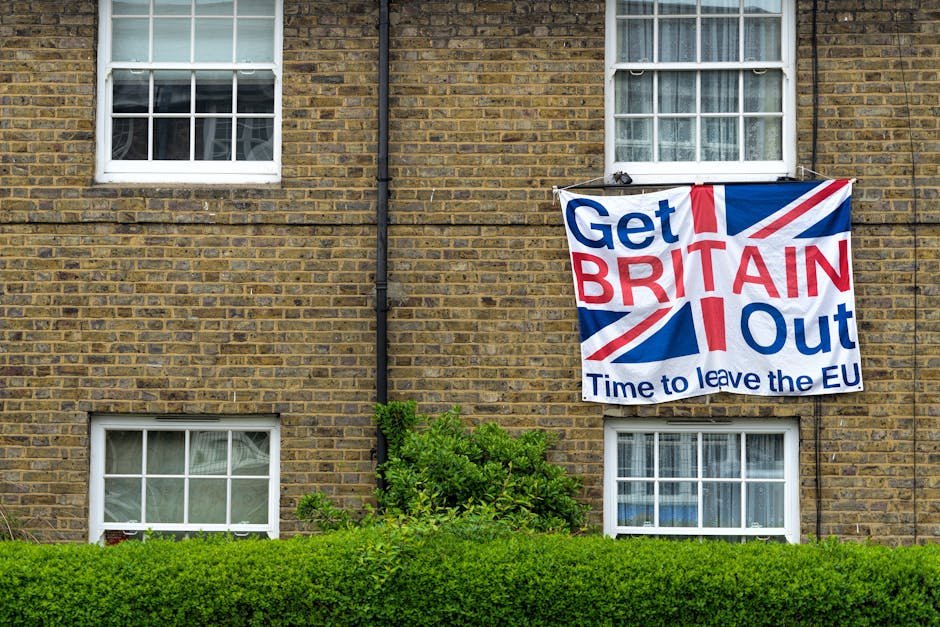
Brexit’s Unforeseen Consequences for Europe
Brexit was initially heralded as a bold move toward sovereignty and independence. However, the reality is proving to be far messier. The UK is now faced with a range of complex challenges that draw it closer to its European neighbors. Rising trade disputes, evolving immigration policies, and a renewed sense of cooperation in areas such as security have all painted a different picture of the UK’s future within Europe.
The players in this drama are familiar: the UK government, the European Union, and various member states. As the UK grapples with its new position, it seems that its desire for autonomy is leading not to distance but to a reconfiguration of its identity as an integral part of Europe. This irony cannot be overstated.
The Ironic Shift in European Identity
The situation is rife with contradictions. While the UK sought to assert itself independent of EU regulations, the fallout has necessitated closer cooperation in areas like trade and law enforcement. This isn’t just about bureaucratic red tape; it’s about an emerging reality that the UK cannot escape: it is, and will continue to be, a part of the broader European framework, whether it likes it or not.
In the long run, who wins and who loses? The major losers are the Brexiteers who envisioned a fully sovereign UK, free from the constraints of European oversight. Instead, they are witnessing a country ensnared in an intricate web of European economic and political interdependence that complicates its every move. Meanwhile, the EU may find itself smugly satisfied by the unfolding drama; it retains influence over a nation that tried to exit its orbit.

However, it’s not all doom and gloom for the UK. The shift could lead to unexpected opportunities. Increased collaboration may enhance the UK’s capacity for economic resilience, especially in turbulent global conditions. In a world where geopolitical alliances are constantly shifting, maintaining strong ties within Europe could be a strategic advantage.
Yet, the mainstream conversation often overlooks the risks. As the UK reembraces its European identity, it risks alienating those who voted for Brexit in the first place. There’s a fine line between cooperation and perceived capitulation. If the government cannot navigate this treacherous landscape with care, disillusionment could breed a new wave of nationalism, further complicating the UK’s relationship with its European counterparts.
In the end, the transformation of the UK into a nation that is more European than ever may well be the unintended legacy of Brexit. As the years unfold, one must ponder: is this truly the new beginning that proponents envisioned, or simply a rebranding of something that never really left? The answers will unfold in the years to come, but one thing is clear: Europe isn’t done with the UK yet.
Source: Google — UK & Europe