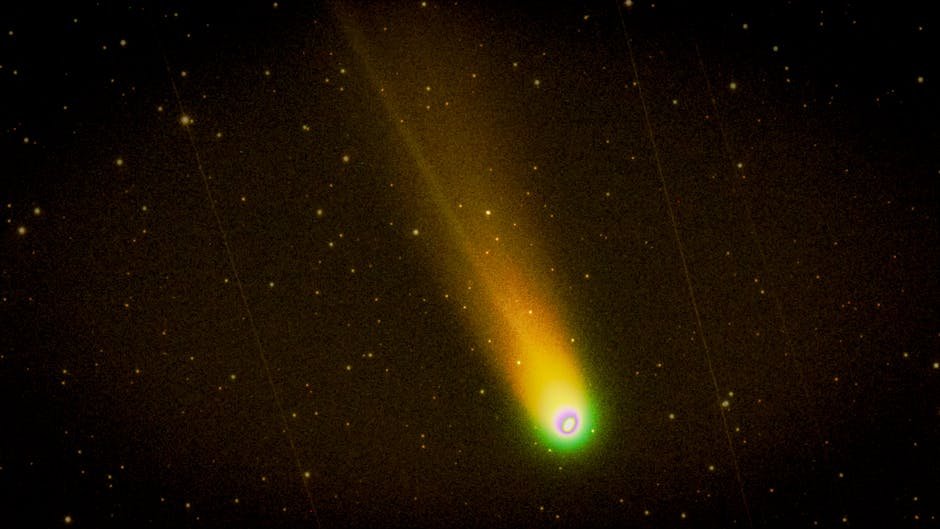
It’s a wild time to be a fan of science, especially when our cosmic companions decide to throw a party while passing through our solar system. The recent findings by NASA’s James Webb Telescope regarding the comet 3I/ATLAS has sent shockwaves through the scientific community, revealing that this interstellar visitor let out a powerful burst of gas and dust during its journey. According to Futurism, this discovery is not just a minor blip on the astronomical radar; it’s a testament to the unpredictable and dynamic nature of our universe.
The Science Behind 3I/ATLAS’s Cosmic Show
NASA’s James Webb has unveiled that 3I/ATLAS, a comet from beyond our solar system, released an impressive plume of material as it zipped past us. This comet, which arrived in our neck of the cosmic woods, is not merely a rock; it’s a reminder of the chaotic processes happening in the deep recesses of space. Scientists are eager to understand what this means for our understanding of such celestial bodies, especially as they relate to the broader field of science that covers planetary formation and interstellar dynamics.
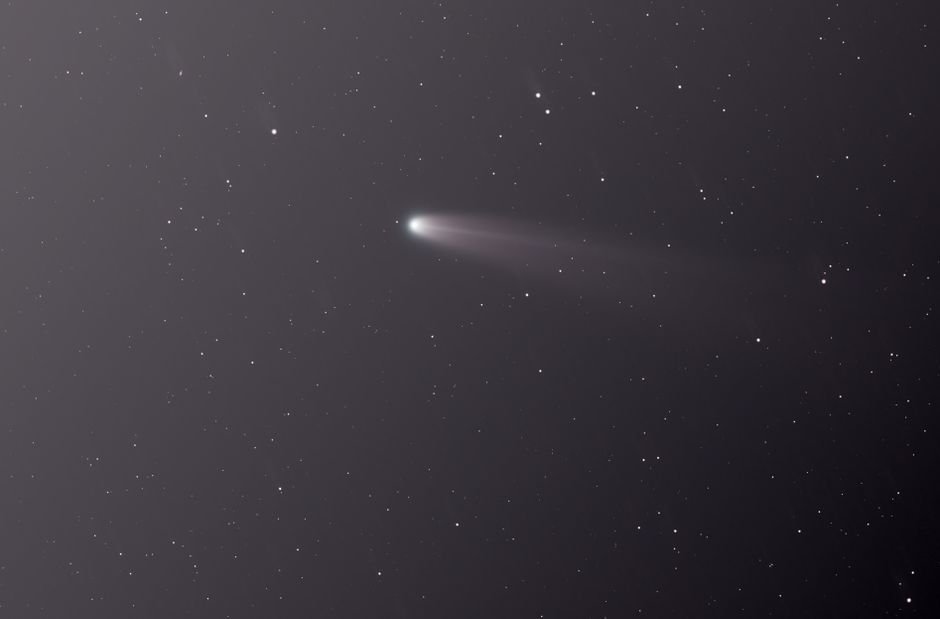
What led to this moment of clarity? The groundbreaking capabilities of the James Webb Telescope are crucial. It allows scientists to observe objects in unprecedented detail, leading to revelations that push the boundaries of our knowledge. This is significant not just for astronomers but for anyone who cares about our place in the universe. The ongoing exploration of comets like 3I/ATLAS unveils the mysteries of our solar system and beyond, informing everything from planetary science to the quest for extraterrestrial life.
Cosmic Revelations and Their Implications
The implications of 3I/ATLAS’s outburst are profound. Such findings can change the course of scientific inquiry into how comets behave and evolve. The burst of gas and dust is evidence of a dynamic process that can inform us about the origins of our solar system and the materials that contribute to planetary formation. Who wins here? Clearly, it’s the scientific community, which benefits from fresh data that can lead to groundbreaking discoveries. However, this doesn’t come without risk.
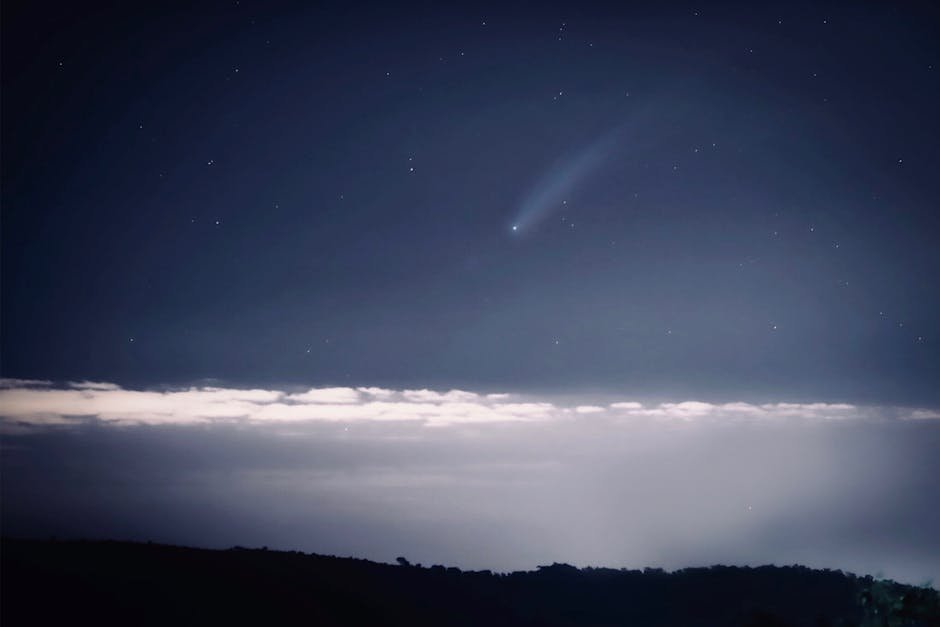
On the flip side, this kind of scientific revelation could lead to complacency among the broader public. Many might view this as another “cool space fact” that doesn’t touch their everyday lives. But the truth is, understanding these cosmic phenomena is vital for predicting potential asteroid threats and could even inform planetary defense strategies. What could go wrong if we ignore these signs? As we marvel at the celestial spectacle, we must remain vigilant about the realities of space debris and its potential impact on Earth.
In an age where science often feels relegated to the sidelines of public discourse, the discovery surrounding 3I/ATLAS is a clarion call. It’s a reminder that science is not just about numbers and equations; it’s about wonder, discovery, and the raw power of the universe.
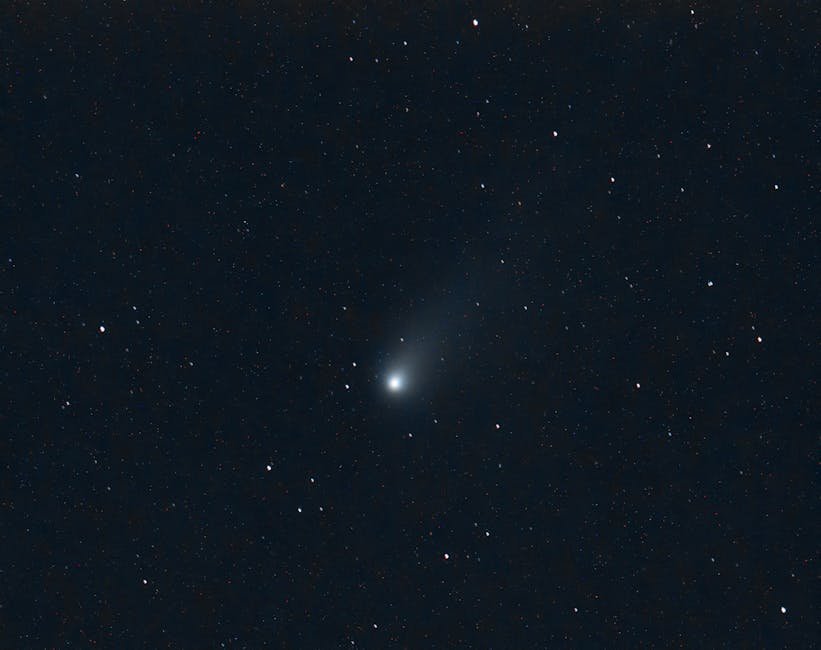
As we absorb this cosmic event, one question lingers: How many more revelations like this one are waiting just beyond our sight? The cosmos has a way of surprising us, and if we ignore the signs, we might be caught off guard. Let’s not just be spectators to the wonders of science; let’s engage with them, for they are the key to understanding our past, present, and future.
Source: Google — Space & Science