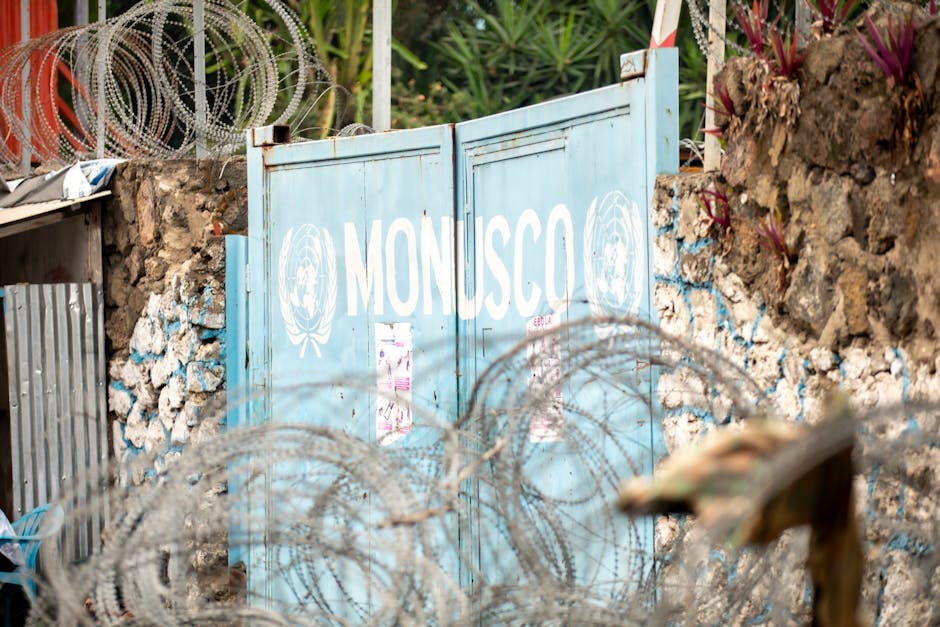
In a world where international diplomacy often feels like a high-stakes game of musical chairs, the recent postponement of the Africa summit in India exposes an uncomfortable truth: health crises can upend our best-laid plans faster than any political squabble. The decision, prompted by fears of an Ebola outbreak, underscores a harsh reality: we may have all the grand ideas, but if our health infrastructure falters, none of it matters.
Why ebola matters now
According to BBC reports, the summit, originally slated to bring together African leaders and Indian officials, was delayed as concerns over the spread of Ebola loomed large. The outbreak has sent shockwaves through the region, forcing countries to reassess their priorities and safety protocols at a time when cooperation is desperately needed.
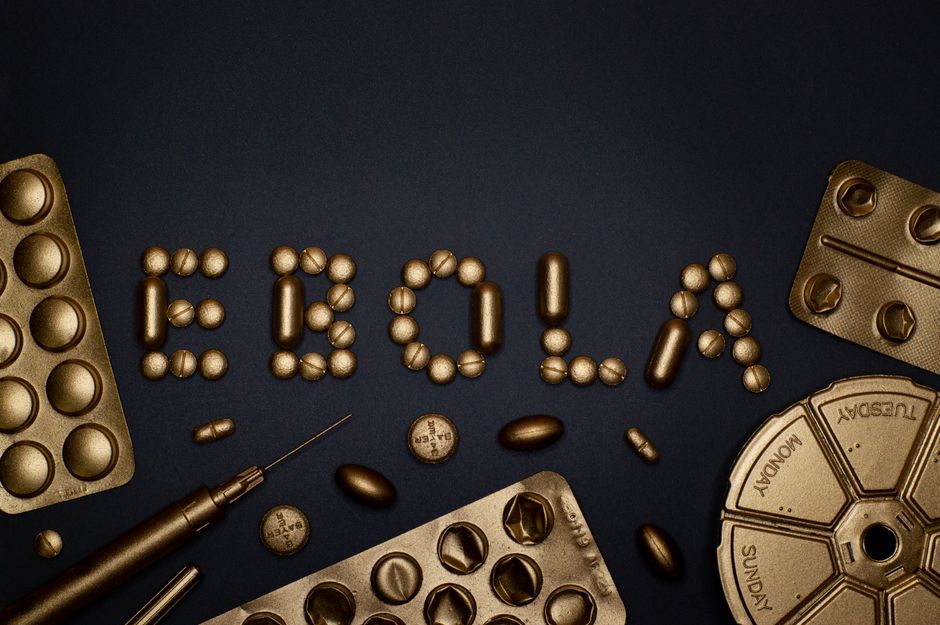
Why does this matter? The postponement of such a significant event highlights how fragile our interconnected world can be. Just at a time when India and Africa were poised to deepen their relationships through trade, cultural exchange, and investment, the specter of a health crisis has thrown a wrench into the works. The summit was supposed to be a celebration of collaboration, yet now, it stands as a glaring reminder of our vulnerability.
The stakes around ebola
The key players here are not just the leaders attending the summit, but also the countless people depending on the outcomes of these discussions. Entrepreneurs, artists, academics—all those who look forward to the vibrant exchanges that the summit promised—now face uncertainty. The postponement is more than a mere scheduling inconvenience; it’s a stark commentary on our priorities and preparedness.
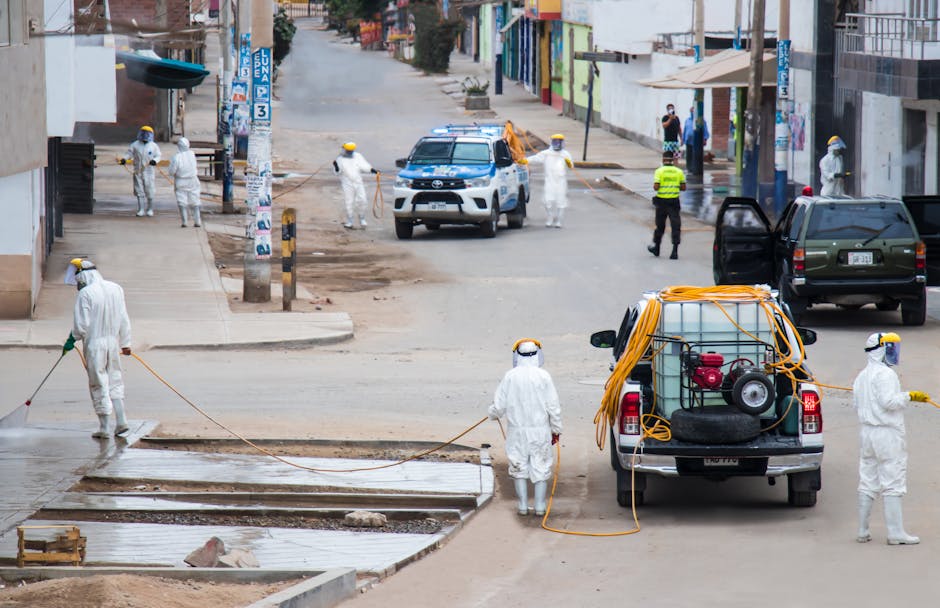
One can’t help but wonder who really wins in this scenario. While health officials are rightly prioritizing safety, the postponed summit means that Africa and India might miss crucial opportunities to collaborate on pressing issues like technology, climate change, and economic growth. This could lead to a widening gap between nations that can afford to fend off health crises and those that cannot. Those who lose out most profoundly are the everyday citizens—those waiting for promises of cooperation to translate into tangible benefits.
Moreover, this situation challenges the narrative that globalization is a bulletproof concept. The truth is, one outbreak in a corner of the globe can create ripples that are felt universally. The mainstream media often touts globalization as a unifying force, but when Ebola threatens to derail international dialogue, it seems more like a flimsy veneer masking the underlying fragility of our global systems.
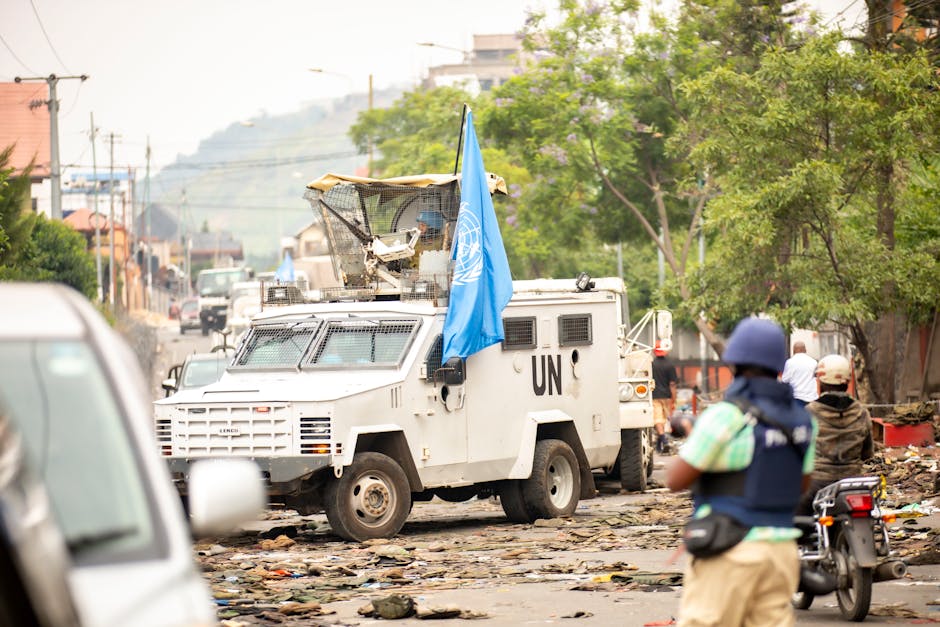
As we watch countries scramble to contain this outbreak, let’s ask the bigger question: what kind of world are we building if a single virus can halt the engines of diplomacy? Wouldn’t it be ironic if in trying to keep nations healthy, we inadvertently stifled the very dialogue that could lead to solutions?
The postponement of the Africa summit serves as a potent reminder of the interconnectedness of health and diplomacy. As we move forward, it’s essential to invest in robust health infrastructures and create contingency plans that keep the wheels of international collaboration turning, even in the face of crises.
In a world increasingly defined by uncertainty, let’s hope we emerge from this setback with a greater commitment to holistic approaches that ensure health and diplomacy can coexist without one overpowering the other. Only time will tell if this moment serves as a wake-up call or simply another chapter in our ongoing struggle to grasp the complexities of global interdependence. But one thing is clear: to truly thrive, we need to prepare for the unexpected, or risk losing the dialogue that binds us all.
Source: Google — South Asia