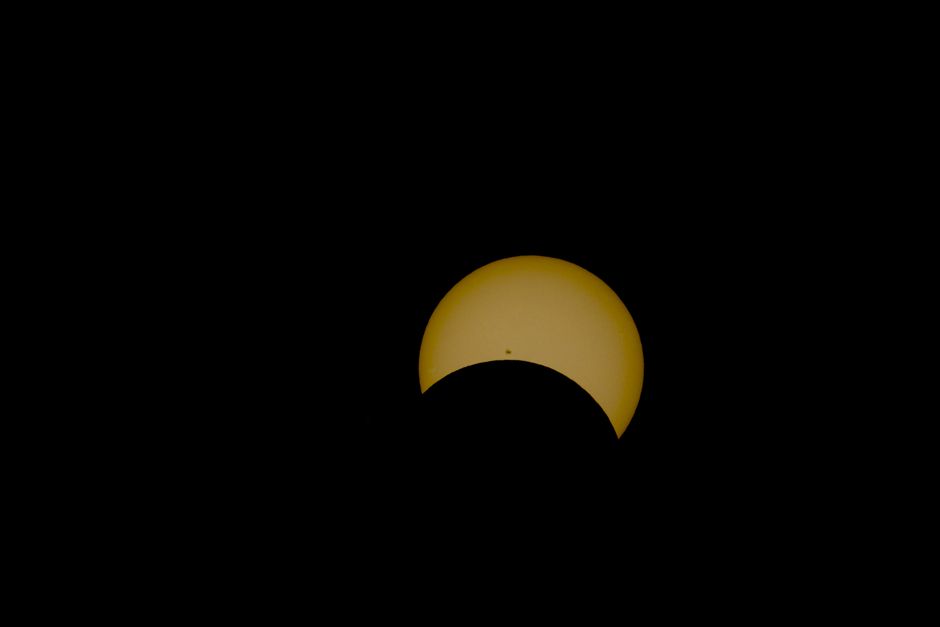
Another celestial spectacle descends upon us this week, and the question isn’t just what it is, but what it means *here* in an age utterly obsessed with looking down. We’re told to put our phones away, to look up, to experience the moment. But how many of us will truly heed that call, especially when every pixelated detail will be available at our fingertips?
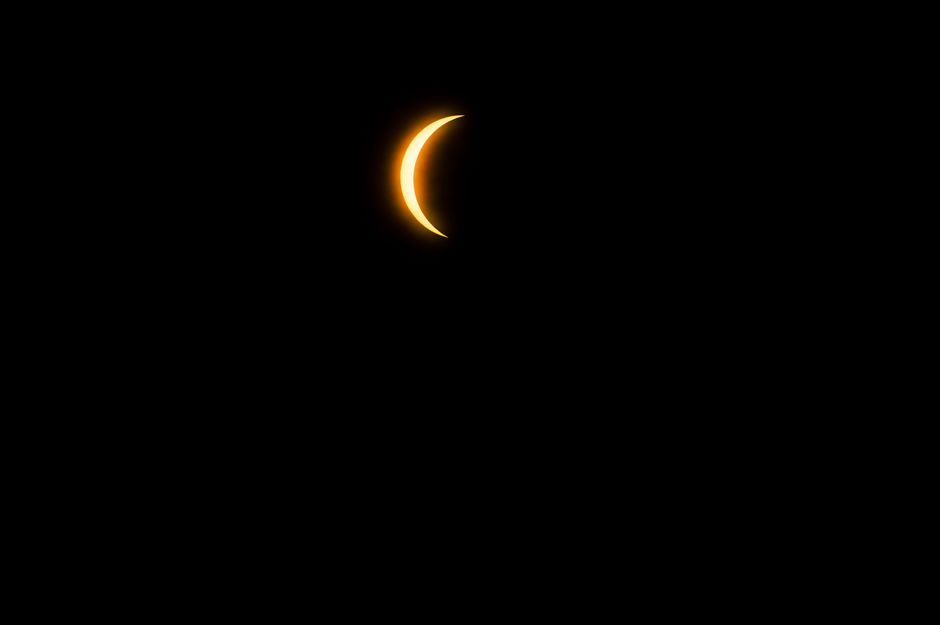
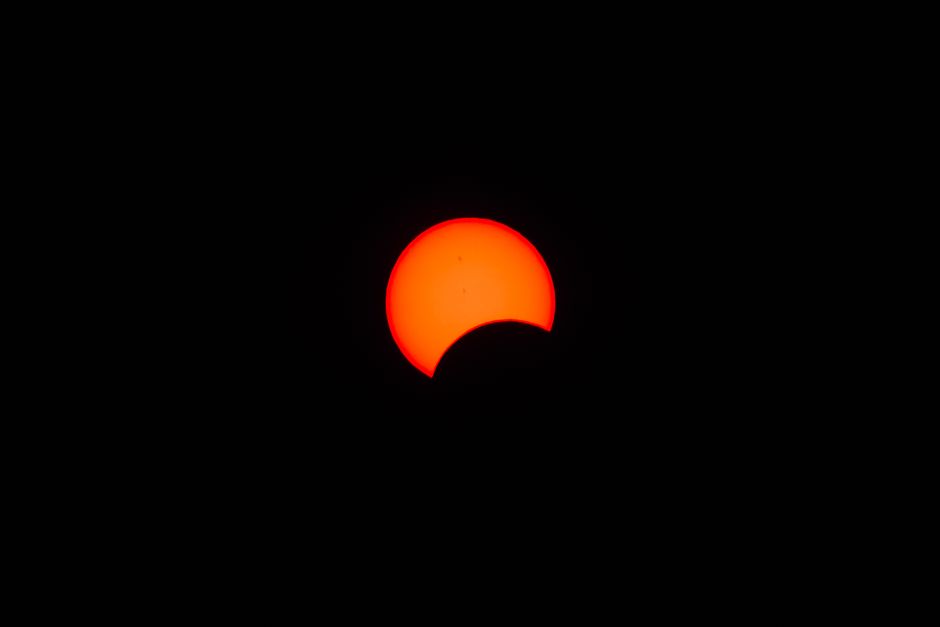
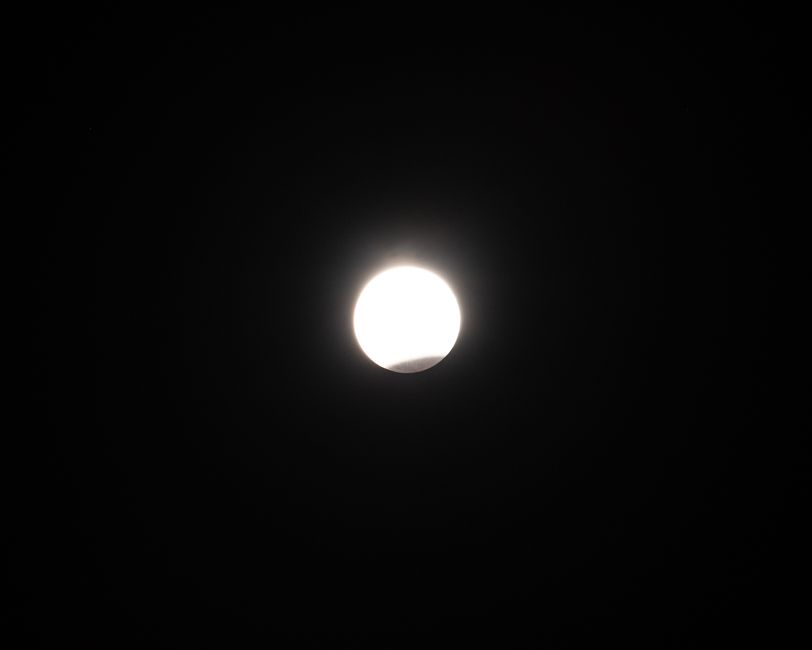
According to NPR Science, a solar eclipse will be visible in parts of the U.S. on Wednesday. This celestial alignment, where the moon briefly obscures the sun, has historically captivated humanity, inspiring both fear and awe.
The Eclipse, Explained: Why It Matters Here
For millennia, an eclipse was an omen, a mystery, a divine intervention. Humanity, with its limited understanding, could only interpret it through the lens of myth and superstition. Fast forward to today, and our understanding of orbital mechanics and celestial bodies is so advanced that we can predict these events down to the second. In fact, our technology, particularly AI, can simulate these phenomena with breathtaking accuracy, offering virtual tours that promise an experience “just like being there.”
This precision, while a triumph of science, raises a critical question: does it enhance or diminish the raw, visceral wonder of the event itself? We live in an era where every natural occurrence is not just observed but immediately explained, analyzed, and packaged into digestible content. Artificial intelligence can now process astronomical data to predict solar flares, map celestial bodies, and even optimize telescope performance. It can certainly “explain” an eclipse better than any human. But explanation isn’t experience.
The profound irony is that while we’re urged to look up, our primary interface with the world is increasingly through screens. We rely on apps to tell us when to look, where to stand, and even how to photograph it. The collective experience of gazing at the sky is now often mediated by a glow of smartphone displays, each person trying to capture their own digital memento. This isn’t just about recording history; it’s about the fundamental shift in how we engage with reality *here*.
The Real Shadow: Tech’s Eclipse of Wonder
Let’s be blunt: the real shadow cast this week isn’t just by the moon. It’s the shadow of our relentless digital mediation, threatening to obscure genuine human connection with the universe. We’re so accustomed to consuming pre-digested information, to having everything explained and categorized, that the sheer, unexplained awe of an eclipse feels almost anachronistic. What does it mean to witness an event when AI has already generated a perfect simulation, complete with explanatory overlays and predictive models?
The mainstream narrative will focus on safety tips and prime viewing locations. But what’s largely missed is the subtle erosion of direct observation. We’re trading the fleeting, imperfect, personal experience for a perfectly curated, infinitely repeatable digital one. Who truly wins in this scenario? Not the individual who stands in silent wonder, but the platforms that host the live streams, the tech companies that sell the specialized viewing apps, and the content creators who immediately monetize the spectacle. Humanity’s collective memory of this eclipse will be less about shared direct observation and more about shared digital consumption.
Of course, technology offers incredible access to those who cannot be physically present. It democratizes the view, allowing millions to witness what was once reserved for a select few. That’s an undeniable good. However, we must confront the creeping danger that technology, in its quest to explain everything and make every experience accessible, also risks sanitizing it. It smooths out the rough edges of uncertainty, of the unknown, which are precisely where wonder often resides. We might understand more, but do we feel more?
This eclipse is a powerful reminder that some experiences demand more than just a data point or a perfectly rendered graphic. They demand presence. They demand a willingness to simply *be*, without the immediate urge to document, share, or filter. We’re at a critical juncture, *here*, where the digital realm threatens to eclipse our capacity for raw, unfiltered engagement with the physical one. When the moon passes between the sun and Earth, will we actually look up, or will we merely scroll down?
Source: NPR Science